Laughing Bull
CharacterLaughing Bull is a wandering Native American elder living on Mars in Cowboy Bebop. A keeper of traditional ways, he dispenses riddling wisdom about fate and death, and now and then lends a hand to old acquaintances Spike Spiegel and Jet Black.
Appearance
Laughing Bull's design draws on the real-life holy man Sitting Bull. He lives simply in a tent, though a small anachronism sits inside it: an old PlayStation console tucked among his belongings.

Personality
He carries himself as a spiritual guide, speaking in oracular phrases that tend to baffle anyone outside his traditions. Much of his counsel circles the same theme, that death walks constantly beside the living and should be met without fear rather than dread.
Related Reading
See all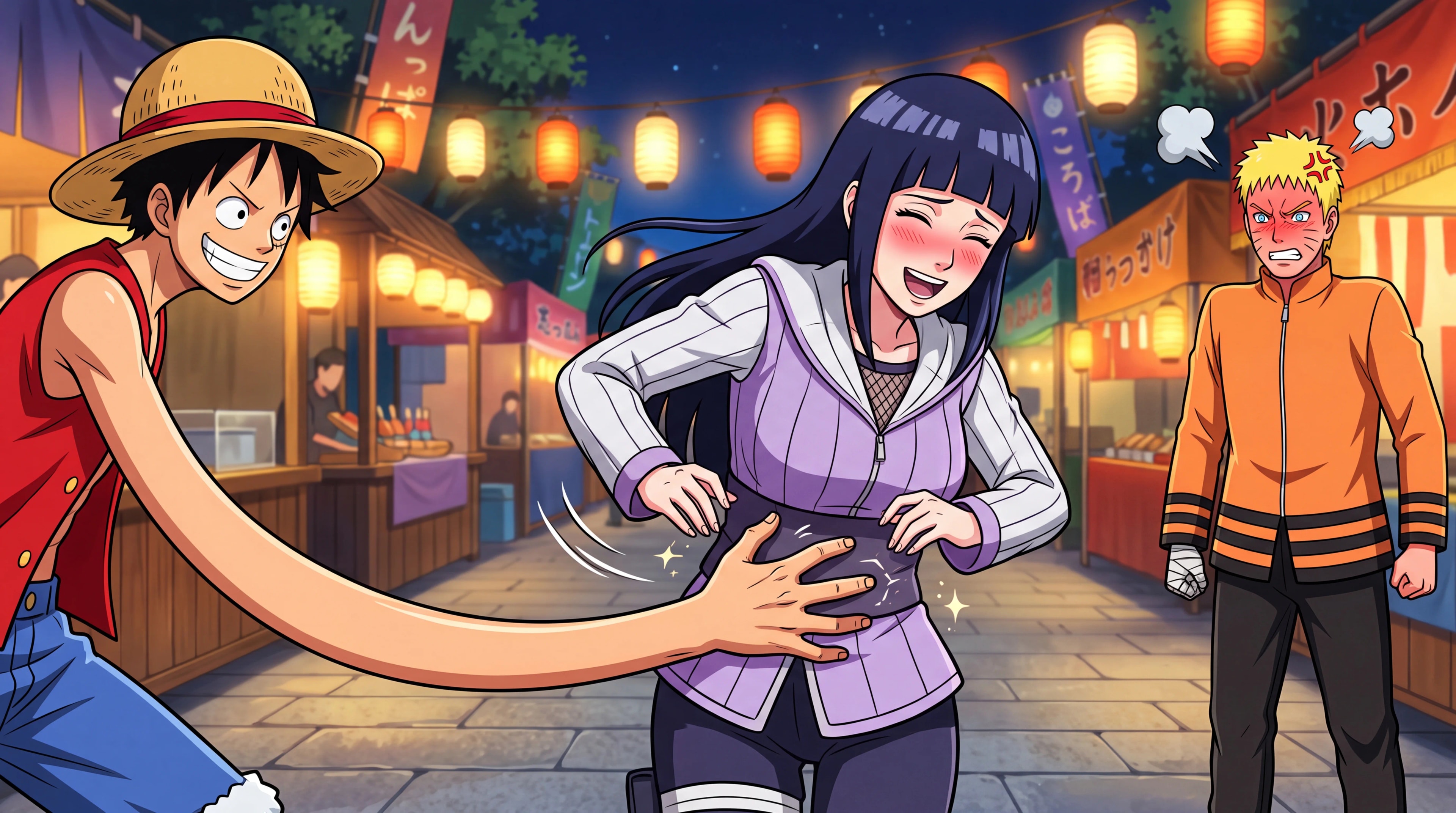
Naruto vs Luffy: Does the Fight Change if Luffy Tickles Hinata?
Naruto vs Luffy with the twist nobody asked for: Luffy tickled Hinata on date night, and she kind of liked it. We break down the whole fight and commit to a winner....
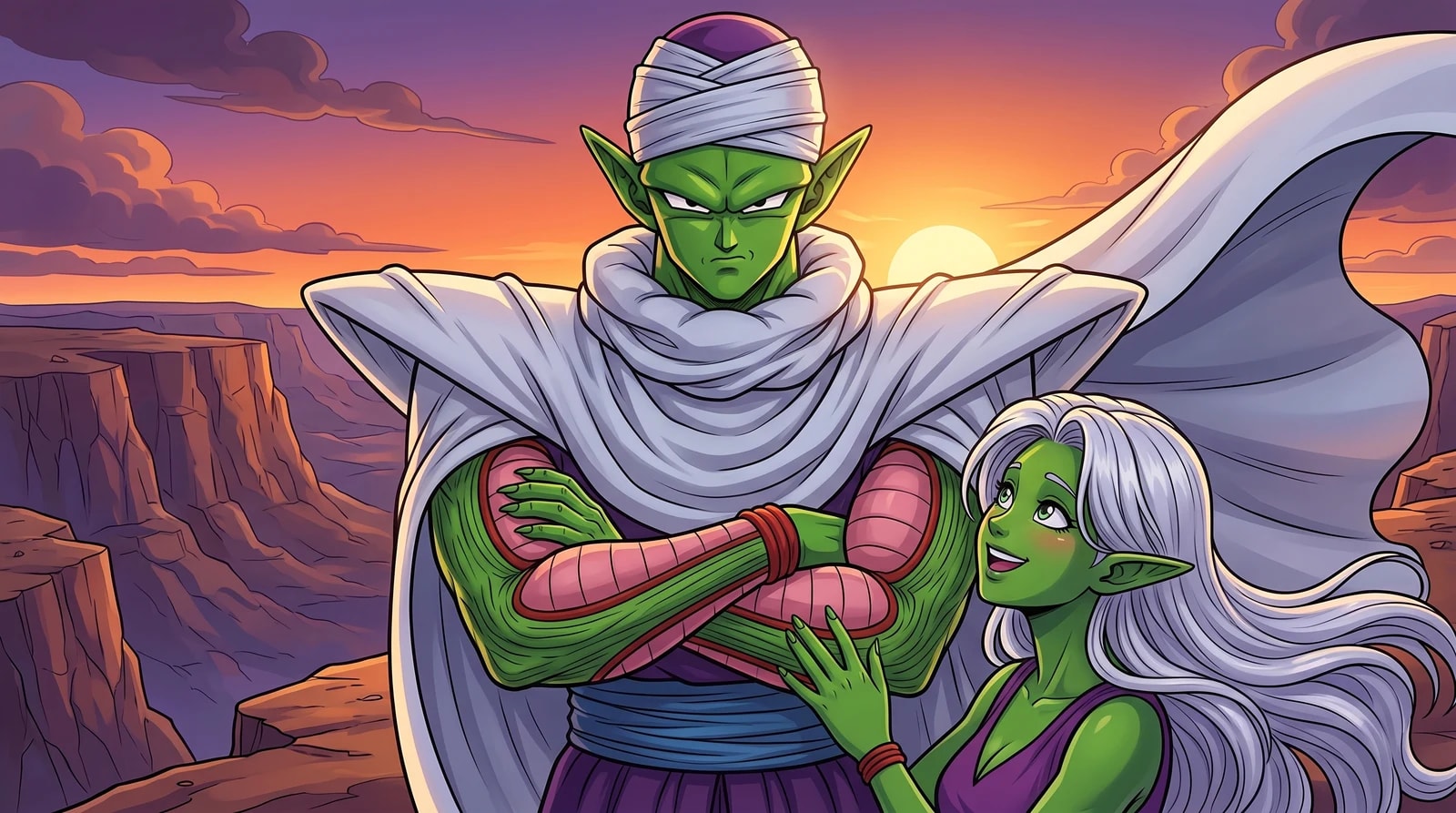
Namek Has No Women, and Piccolo Pulls Anyway
There are no women on Namek. That isn't an oversight, it's the biology. Why we handed Piccolo the one thing his own species rules out, and why it had to be trap soul....
History
Hunting the bounty on drug dealer Asimov Solensan, Spike came to Laughing Bull for guidance. The elder foresaw that the red-eyed coyote would turn up in Zona Norte on the far edge of town, and the tip led Spike straight to a confrontation with his quarry.
On another night, after Gren struck a Red Eye bargain with Vicious, Laughing Bull and his son watched a star streak across the sky. He read it as the tear of a warrior, a lost soul who had finished fighting somewhere on the world yet could not reach the great spirit. Fans have long debated whether the falling star stood for Gren or for Lin.
During the events of the feature film, Spike tumbled into a river and blacked out after clashing with Vincent Volaju atop a train car. He came to under the care of Laughing Bull and a companion who had pulled him from the water and dressed his wound. The elder spoke of Spike's mismatched eyes, naming one the eye of truth, assured him he had nothing to fear from death, and addressed him as Swimming Bird.
Near the story's end, after Spike walked away from the Bebop to settle his past with Vicious, Jet turned to Laughing Bull to learn where his friend had gone, though he felt foolish doing so. Calling Jet by the name Running Rock, the elder explained that every breathing creature is watched over by a guardian star that falls when its life ends, and he warned that Spike's own star was close to going dark. In the final moments after the closing credits, a star near the top of the frame flickers and fades.
Frequently Asked Questions
Who is Laughing Bull in Cowboy Bebop?
Laughing Bull is a wandering Native American elder living on Mars who dispenses riddling wisdom about fate and death, and occasionally helps his old acquaintances Spike Spiegel and Jet Black.
Who is Laughing Bull based on?
Laughing Bull's design draws on the real-life Native American holy man Sitting Bull.
How does Laughing Bull help Spike track down Asimov Solensan?
Spike sought Laughing Bull's guidance while hunting the bounty on drug dealer Asimov Solensan, and the elder foresaw that the red-eyed coyote would turn up in Zona Norte, a tip that led Spike straight to his quarry.
What does Laughing Bull tell Jet about Spike's fate?
When Jet asks where Spike has gone, Laughing Bull, calling him Running Rock, explains that every living creature is watched over by a guardian star that falls when its life ends, and warns that Spike's own star is close to going dark.
What does Laughing Bull call Spike after saving him from the river?
After Spike is pulled from a river following his clash with Vincent Volaju, Laughing Bull tends to him, notes his mismatched eyes as the eye of truth, and addresses him as Swimming Bird.
Sources & Information
Looking for more on Laughing Bull? The Cowboy Bebop Wiki on Fandom has a dedicated page with community notes.
View on FandomThis content is original writing by Daddy Jim Headquarters based on the Cowboy Bebop anime series, manga, and official materials. Cowboy Bebop was created by Hajime Yatate, published by Sunrise, and animated by Sunrise. All rights to Cowboy Bebop and its characters belong to their respective owners. Episode and chapter references are cited where applicable.
Rights holders
All rights belong to their respective owners.
Character and scene imagery on this site is original artwork by Daddy Jim Headquarters, not screenshots or licensed imagery. Official cover art is used on three types of pages for editorial commentary:
- Movie pages: theatrical posters and key visuals, credited to Sunrise and Sunrise.
- Game pages: official box art, credited to the game's respective publishers.
- Manga chapter pages: volume covers, credited to Sunrise and Hajime Yatate.
Official resources:
Help Us Keep This Wiki Accurate
Daddy Jim Headquarters maintains this encyclopedia. If you spot an error, a translation issue, or something that doesn't look right, let us know.