Mangetsu Hōzuki
CharacterMangetsu Hōzuki was a swordsman of Kirigakure's Hōzuki clan and one of the earlier Seven Ninja Swordsmen of the Mist. Skilled enough to master every one of the group's blades, he earned the fearsome nickname Second Coming of the Demon before dying young. He is the elder brother of Suigetsu.
Appearance
Mangetsu looked so much like his younger brother Suigetsu that the two were easy to mistake for one another. He had white hair falling to his shoulders, violet eyes, and the sharpened, shark-like teeth common to the Mist's swordsmen. His clothing mirrored Suigetsu's as well: a sleeveless black top, pale purple trousers, and the striped leg warmers favored in their village. A canteen hung from his belt, bandages wrapped his throat in another swordsman tradition, and he wore Kirigakure's forehead protector.


Personality
By Kisame Hoshigaki's account, Mangetsu carried himself with more modesty and composure than his hot-headed younger brother. From childhood the two pushed through brutal missions side by side, both chasing the same goal of joining the Seven Swordsmen. Mangetsu reached it, and his early death is said to have drained Suigetsu of that shared ambition.
Abilities
Coming from the strongest lineup the Seven Swordsmen ever fielded, Mangetsu ranked among the finest shinobi Kirigakure produced, hailed in his youth as a prodigy. As a Hōzuki he commanded Water Release and his clan's hidden art of turning his body to liquid at will, and he could spit high-speed water bullets from a fingertip. He was also a master of Silent Killing, striking unseen from within a concealing mist.
His true renown lay in the sword. Accepted into the Seven Swordsmen, he learned to handle all seven of their weapons, including the notoriously choosy Samehada, which speaks to the depth of his chakra and skill. He was even trusted to carry the full set until battle called for them. Reincarnated during the Fourth Shinobi World War through the Impure World Reincarnation and summoned by Pakura and Gari on Kabuto's orders, he drew four blades from a scroll and, cloaked in heavy mist, cut down enemy troops in silence using only his water bullets. The mist lifted when Zabuza fell, exposing him, and the Third Division eventually sealed him away before his soul returned to the afterlife.
Related Reading
See all
The Most Popular Women of Naruto
We ranked the six most popular women of Naruto from worst to first, and our number one is going to start a fight. The official poll got it wrong....
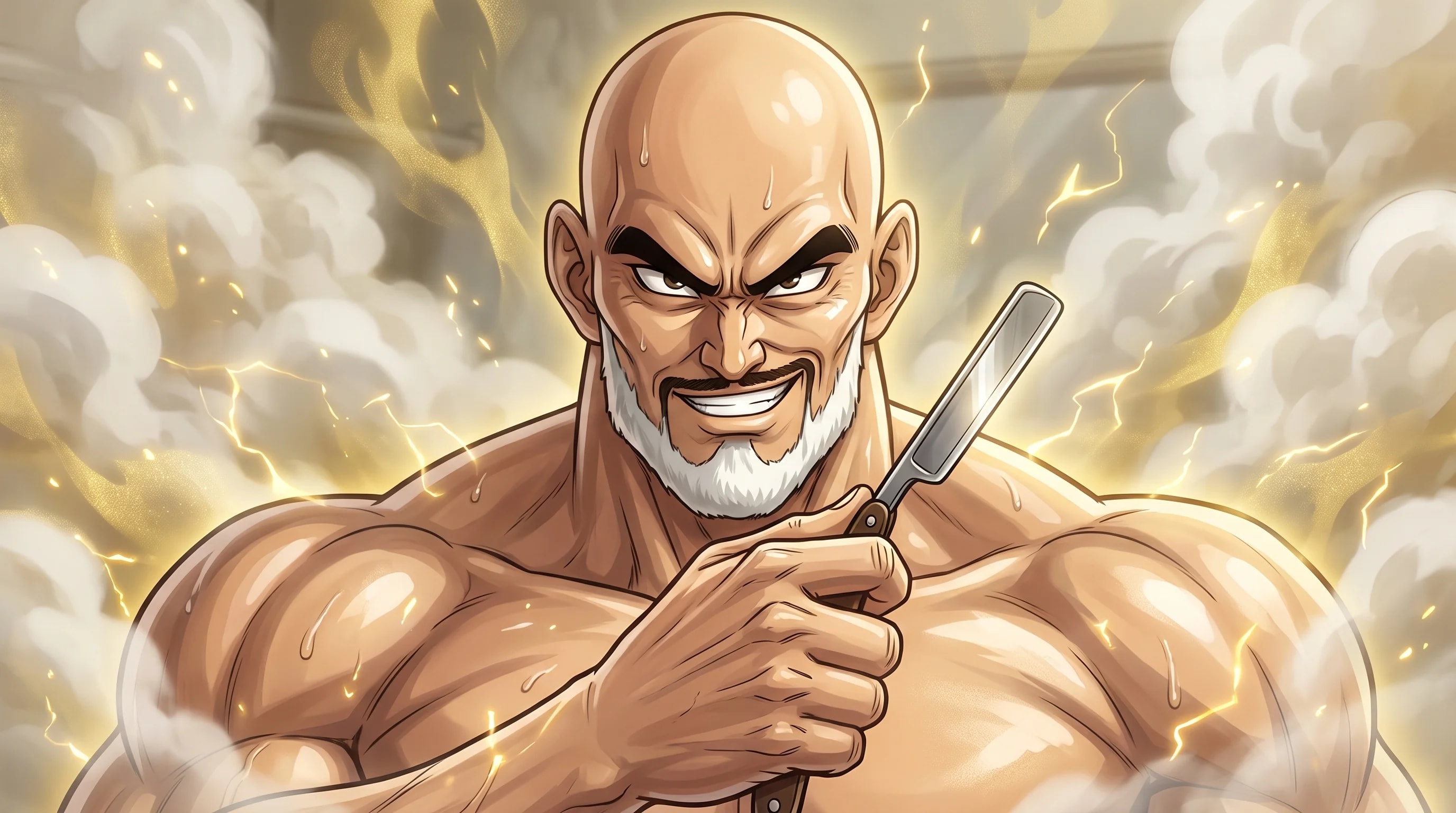
Super Saiyan Pubes: The Song About Where Super Saiyan Hair Actually Goes
The transformation everyone knows, the follow-up question nobody would touch. Why we made a smooth R&B track about the golden glow Dragon Ball never talks about....
Frequently Asked Questions
What happened to Mangetsu Hōzuki?
Mangetsu Hōzuki died young after achieving his goal of joining the Seven Ninja Swordsmen of the Mist. He was later reincarnated during the Fourth Shinobi World War through the Impure World Reincarnation, summoned by Pakura and Gari on Kabuto's orders, before Konoha's Third Division sealed him away.
Who was stronger, Mangetsu or Suigetsu Hōzuki?
Mangetsu Hōzuki was the more composed and accomplished of the two brothers, achieving their shared childhood goal of joining the Seven Ninja Swordsmen of the Mist while Suigetsu had not yet reached it. Mangetsu's early death is said to have drained Suigetsu of that same ambition.
What clan techniques could Mangetsu Hōzuki use?
As a member of the Hōzuki clan, Mangetsu Hōzuki commanded Water Release and his clan's hidden art of turning his body to liquid at will. He could also spit high-speed water bullets from a fingertip and was a master of Silent Killing within a concealing mist.
Which swords could Mangetsu Hōzuki wield?
Mangetsu Hōzuki learned to handle all seven weapons of the Seven Ninja Swordsmen of the Mist, including the notoriously choosy blade Samehada. He was trusted to carry the full set of swords until battle called for them.
What is Mangetsu Hōzuki's relationship to Suigetsu?
Mangetsu Hōzuki is the elder brother of Suigetsu, and the two looked so alike they were easy to mistake for one another. They pushed through brutal missions together as children, both chasing the goal of joining the Seven Ninja Swordsmen of the Mist.
Sources & Information
Looking for more on Mangetsu Hōzuki? The Naruto Wiki on Fandom has a dedicated page with community notes.
View on FandomThis content is original writing by Daddy Jim Headquarters based on the Naruto anime series, manga, and official materials. Episode and chapter references are cited where applicable.
Character and scene imagery on this site is original artwork by Daddy Jim Headquarters, not screenshots or licensed imagery. Official cover art is used on three types of pages for editorial commentary:
- Movie pages: theatrical posters and key visuals, credited to Studio Pierrot and Toho.
- Game pages: official box art for the Naruto: Ultimate Ninja Storm games, credited to Bandai Namco.
- Manga chapter pages: Jump Comics volume covers, credited to Shueisha and Masashi Kishimoto.
Official resources:
Help Us Keep This Wiki Accurate
Daddy Jim Headquarters maintains this encyclopedia. If you spot an error, a translation issue, or something that doesn't look right, let us know.