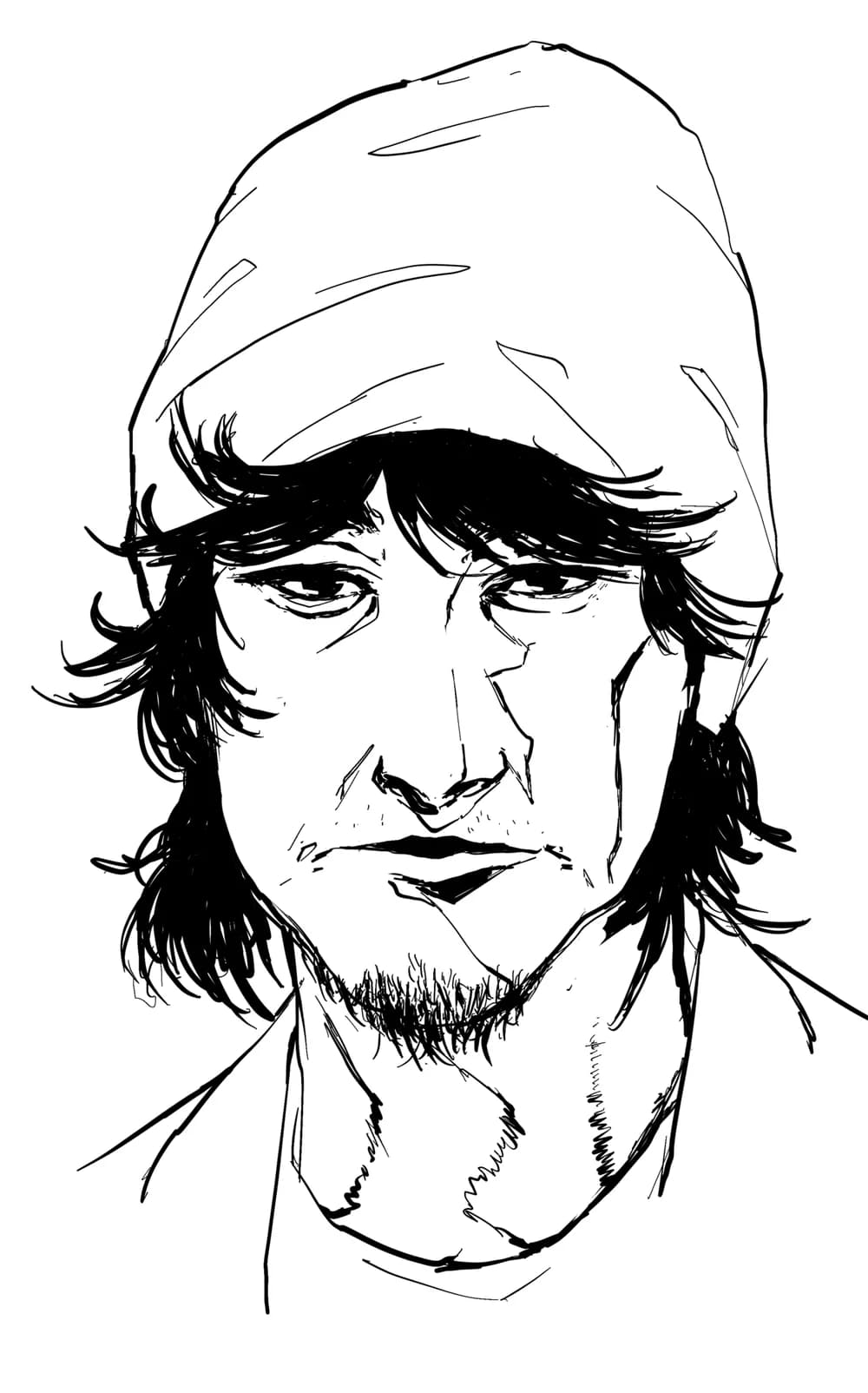
Mitsuo Iso
WriterMitsuo Iso is a Japanese animator and director whose key animation work included Asuka's climactic mecha battle in The End of Evangelion, the feature film that closes out the Neon Genesis Evangelion story.
Neon Genesis Evangelion Role
Iso worked as a key animator on The End of Evangelion, the 1997 film that provides an alternate ending to the television series. He is specifically credited with animating a large stretch of Asuka Langley's desperate mecha battle against the mass-produced Evangelion units, a sequence widely cited for its unconventional, almost hand-drawn chaotic style. That segment became one of the film's most talked-about pieces of animation and helped build Iso's reputation for distinctive, technically ambitious key animation.

Career and Notable Roles
Iso's broader animation credits include memorable key animation in the prologue of Mobile Suit Gundam 0080, plus a portion of the celebrated tank chase inside Ghost in the Shell, credited at times under pseudonyms like Mikio Odagawa or Hideo Tateda rather than his own name. He later moved into directing with Den-noh Coil, a science-fiction television series he also wrote and storyboarded, which swept several honors including the Nihon SF Taisho Award and the Seiun Award for Best Dramatic Presentation. Earlier in his career he freelanced through studios such as Studio Zaendo and Studio Ghibli.
Frequently Asked Questions
What did Mitsuo Iso do on Neon Genesis Evangelion?
Mitsuo Iso worked as a key animator on The End of Evangelion, the 1997 film that provides an alternate ending to the television series. He is specifically credited with animating Asuka Langley's desperate battle against the mass-produced Evangelion units, a sequence known for its unconventional, almost hand-drawn chaotic style.
What other anime has Mitsuo Iso worked on as a key animator?
Iso's broader credits include memorable key animation in the prologue of Mobile Suit Gundam 0080 and a portion of the celebrated tank chase inside Ghost in the Shell, work he sometimes signed under pseudonyms like Mikio Odagawa or Hideo Tateda rather than his own name.
What anime has Mitsuo Iso directed?
Iso moved into directing with Den-noh Coil, a science-fiction television series he also wrote and storyboarded. The show swept several honors, including the Nihon SF Taisho Award and the Seiun Award for Best Dramatic Presentation.
When did Mitsuo Iso start his animation career?
Iso has been active in animation since 1985. Earlier in his career he freelanced through studios including Studio Zaendo and Studio Ghibli before becoming known for his own distinctive key animation.
Who is Mitsuo Iso?
Mitsuo Iso is a Japanese animator and director born in 1966. He is best known for animating Asuka's climactic mecha battle in The End of Evangelion before later directing the acclaimed series Den-noh Coil.
Sources & Information
This content is original writing by Daddy Jim Anime based on the Neon Genesis Evangelion anime series, manga, and official materials. Neon Genesis Evangelion was created by Hideaki Anno, published by Kadokawa, and animated by khara and Gainax. All rights to Neon Genesis Evangelion and its characters belong to their respective owners. Episode and chapter references are cited where applicable.
Rights holders
- Created byHideaki Anno
- Published byKadokawa
- Animated bykhara
- Animated byGainax
All rights belong to their respective owners.
Character and scene imagery on this site is original artwork by Daddy Jim Anime, not screenshots or licensed imagery. Official cover art is used on three types of pages for editorial commentary:
- Movie pages: theatrical posters and key visuals, credited to khara, Gainax and Kadokawa.
- Game pages: official box art, credited to the game's respective publishers.
- Manga chapter pages: volume covers, credited to Kadokawa and Hideaki Anno.
- Licensed imagery: Photographs of real people, including creators, voice actors and production staff, are used under licence from the rights holder or the applicable stock provider, or under the terms of a public licence permitting editorial use. Each such image is reproduced in its licensed form and remains the property of its owner.
- Exceptions: Limited exceptions to the practices described above may apply to individual entries. Where an exception applies, it is noted on the entry itself alongside the applicable attribution. Rights holders may contact us regarding any attribution and it will be reviewed promptly.
Official resources:
Help Us Keep This Wiki Accurate
Daddy Jim Anime maintains this encyclopedia. If you spot an error, a translation issue, or something that doesn't look right, let us know.
