Rc suppressants
CharacterRc suppressants are the CCG's chemical leash on ghoul biology. Engineered to shut down the kakuhou, the drug strips a ghoul of its regeneration and kagune, and it doubles as the only known treatment for the human condition called Rc cell over-secretion disease.
Overview
Rendered as Rc yokuseieki, Rc suppressants are pharmaceuticals crafted to dampen the kakuhou. The CCG's Medical Department built them for one aim, quieting a ghoul's Rc cells, yet they serve humans as well, standing as the lone remedy for Rc cell over-secretion disease. Though the public may obtain them for that illness, the price puts them out of reach for nearly everyone, and only select CCG affiliates handle their distribution.



Role
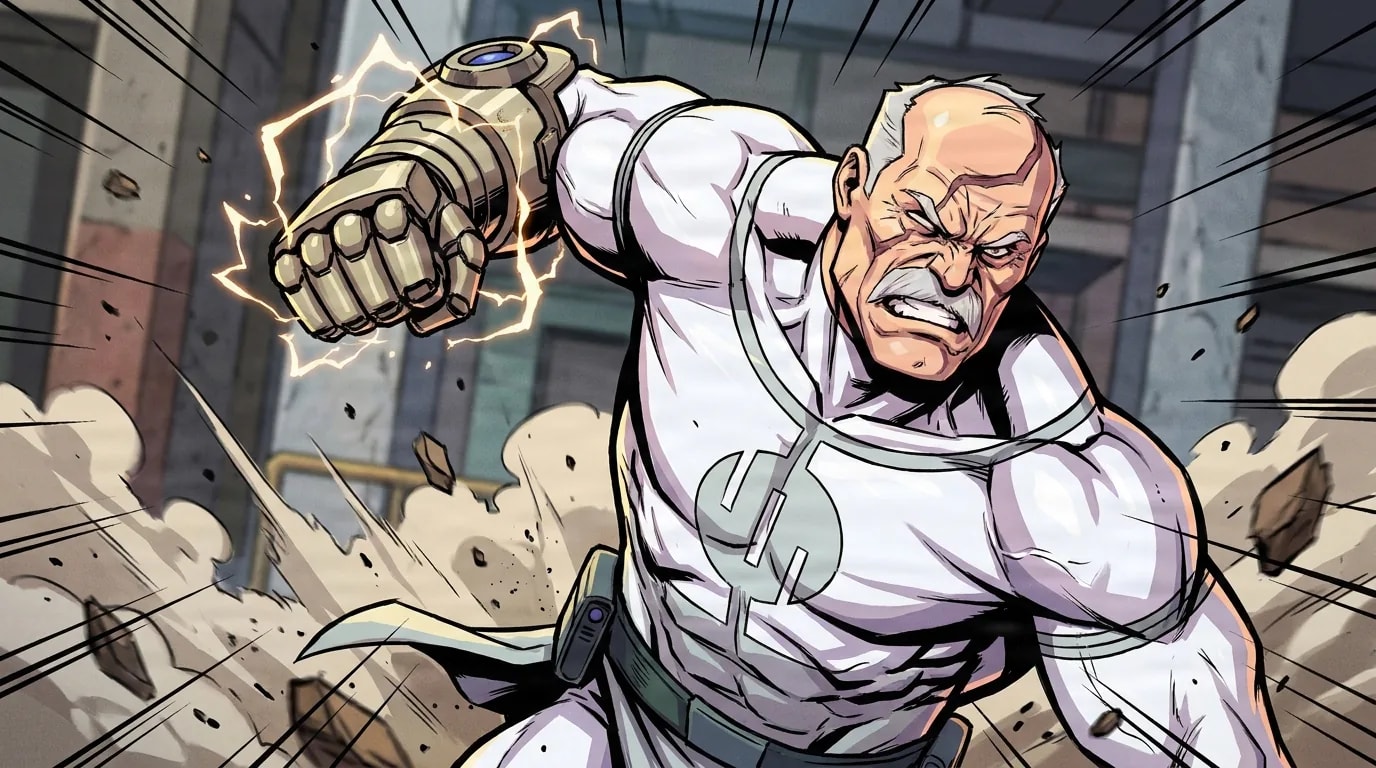
The drug usually appears as a pale fluid that, oddly, burns much like gasoline and gives off a sharp smell a ghoul finds unforgettable; it is kept sealed in sterile tubes. Handlers can deliver it three ways, through a syringe, a bullet, or a quinque. A needle drives the liquid into muscle, where it takes hold quickly thanks in part to the Rc solution among its ingredients, and injection is favored for drawing out the full effect. When a bullet or blade carries it instead, the weapon is glazed in the substance to act like a poison dart. On a ghoul the results are slowed healing, a crippled or fully disabled kagune, and sudden weakness to plain objects such as knives; suppression can even push melanin output up and shift a subject's hair color. The influence does fade in time, though how long that takes remains unclear.



Frequently Asked Questions
What are Rc suppressants in Tokyo Ghoul?
Rc suppressants are pharmaceuticals crafted by the CCG's Medical Department to dampen a ghoul's kakuhou. They also serve as the only known treatment for the human condition called Rc cell over-secretion disease.
What do Rc suppressants do to ghouls?
On a ghoul, Rc suppressants cause slowed healing, a crippled or fully disabled kagune, and sudden vulnerability to plain objects such as knives. Suppression can even push melanin output up and shift a subject's hair color.
How are Rc suppressants administered?
Rc suppressants can be delivered three ways: through a syringe, a bullet, or a quinque. Injection into muscle is favored for drawing out the full effect.
What human condition do Rc suppressants treat?
Rc suppressants are the only known treatment for Rc cell over-secretion disease in humans, though the price puts them out of reach for nearly everyone.
How does the CCG use Rc suppressants on prisoners at Cochlea?
Cochlea doses its ghoul prisoners with Rc suppressants to soften them for questioning and as a safety measure, and the resulting weakened state also makes a subject fit for surgery or dissection.
Sources & Information
Looking for more on Rc suppressants? The Tokyo Ghoul Wiki on Fandom has a dedicated page with community notes.
View on FandomThis content is original writing by Daddy Jim Anime based on the Tokyo Ghoul anime series, manga, and official materials. Tokyo Ghoul was created by Sui Ishida, published by Shueisha, and animated by Studio Pierrot. All rights to Tokyo Ghoul and its characters belong to their respective owners. Episode and chapter references are cited where applicable.
Rights holders
- Created bySui Ishida
- Published byShueisha
- Animated byStudio Pierrot
All rights belong to their respective owners.
Character and scene imagery on this site is original artwork by Daddy Jim Anime, not screenshots or licensed imagery. Official cover art is used on three types of pages for editorial commentary:
- Movie pages: theatrical posters and key visuals, credited to Studio Pierrot and Shueisha.
- Game pages: official box art, credited to the game's respective publishers.
- Manga chapter pages: volume covers, credited to Shueisha and Sui Ishida.
- Licensed imagery: Photographs of real people, including creators, voice actors and production staff, are used under licence from the rights holder or the applicable stock provider, or under the terms of a public licence permitting editorial use. Each such image is reproduced in its licensed form and remains the property of its owner.
- Exceptions: Limited exceptions to the practices described above may apply to individual entries. Where an exception applies, it is noted on the entry itself alongside the applicable attribution. Rights holders may contact us regarding any attribution and it will be reviewed promptly.
Official resources:
Help Us Keep This Wiki Accurate
Daddy Jim Anime maintains this encyclopedia. If you spot an error, a translation issue, or something that doesn't look right, let us know.