The series opener sends the team into a hostage standoff at a house of android geisha, only for the aftermath to expose a swapped cyberbrain and a foreign plot to smuggle a secret national-crisis report out of the country.
Summary
The unit is summoned to break a hostage situation at an establishment staffed by android geisha. Once the standoff ends, Chief Aramaki is met by Kubota, who reveals that the Japanese Foreign Minister had drawn scrutiny from military intelligence after showing interest in the Ichinose Report, a document mapping out diplomatic and military responses to a national emergency. Given how delicate the matter is, Kubota asks the team to pick up the investigation where the earlier group left it.
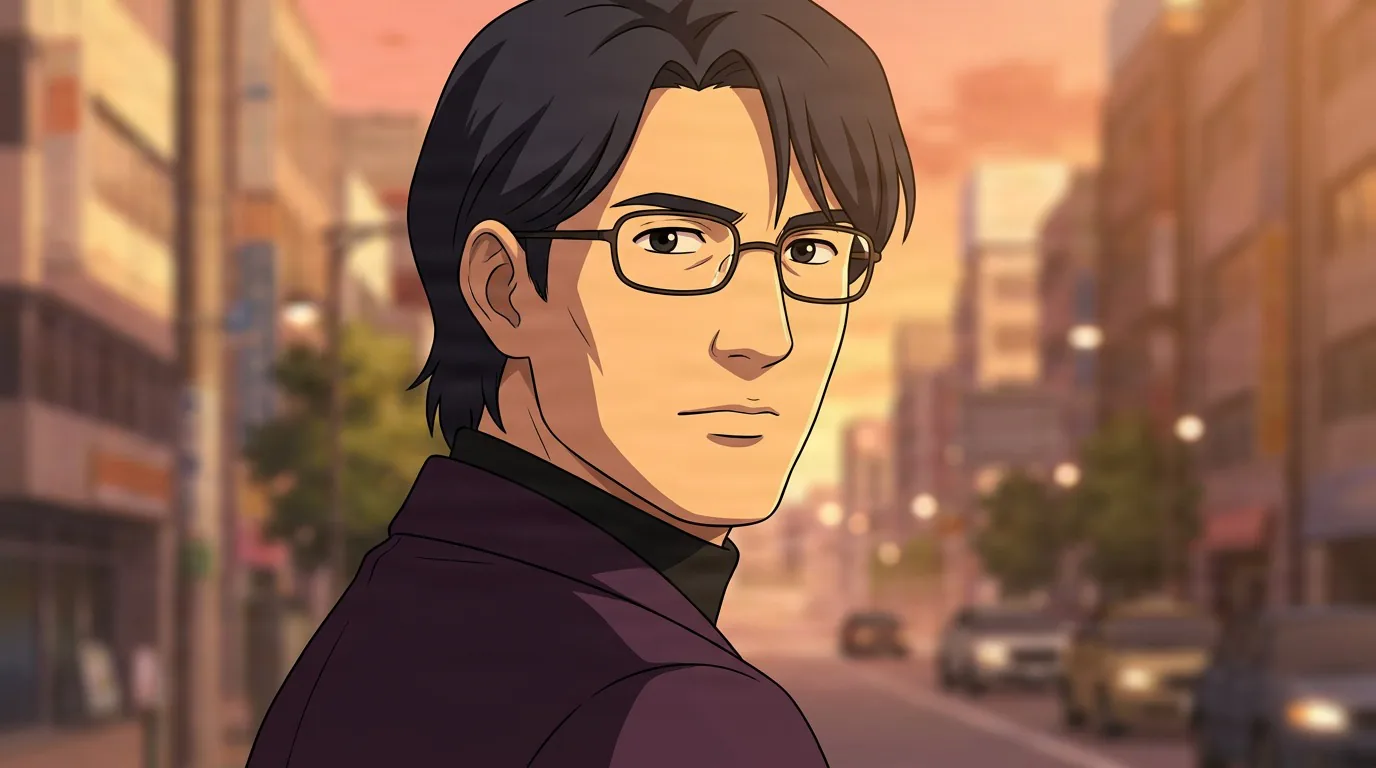
Combing back through the geisha-house incident, Togusa works out what truly occurred: the Foreign Minister had his cyberbrain switched with that of an unidentified agent serving the American Empire. The team moves fast, stopping the impostor, who is wearing the minister's body, before he can leave the country carrying the sensitive report.

Key Events
The hostage crisis at the android geisha house is resolved, opening the door to the deeper case. Kubota's briefing steers the team toward the compromised Foreign Minister and the Ichinose Report. Togusa's insight cracks the cyberbrain swap, revealing the foreign agent behind it, and the operatives intercept him at the border before the report can slip out of Japan.
Notes
This is the first episode of Stand Alone Complex, subtitled SECTION-9. It aired in Japan on October 1, 2002, and in English on November 7, 2004, directed by Toshiyuki Kawano from a script by Kenji Kamiyama, leading into Runaway Evidence. The episode is remembered for the Major's blunt speech to a cornered perp about changing yourself if you dislike the world, a line that sets the tone for the series.
Frequently Asked Questions
What is Section 9 in Ghost in the Shell?
Section 9 is the Public Security unit at the center of the series, introduced in this premiere episode resolving a hostage standoff at an android geisha house before uncovering a cyberbrain swap tied to a foreign intelligence plot.
What crisis does Section 9 respond to at the start of this episode?
The episode opens with Section 9 summoned to break a hostage situation at an establishment staffed by android geisha.
What is the Ichinose Report in "Public Security Section 9"?
The Ichinose Report is a sensitive document mapping out diplomatic and military responses to a national emergency, and the Japanese Foreign Minister's interest in it draws scrutiny from military intelligence.
How does Togusa crack the case in "Public Security Section 9"?
Togusa works out that the Foreign Minister's cyberbrain had been switched with that of an unidentified agent serving the American Empire, letting the team intercept the impostor before he can leave the country.
What is "Public Security Section 9" remembered for?
As the first episode of Stand Alone Complex, subtitled SECTION-9, it is remembered for the Major's blunt speech to a cornered suspect about changing yourself if you dislike the world.
Sources & Information
Looking for more on Public Security Section 9? The Ghost in the Shell Wiki on Fandom has a dedicated page with community notes.
View on FandomThis content is original writing by Daddy Jim Anime based on the Ghost in the Shell anime series, manga, and official materials. Ghost in the Shell was created by Masamune Shirow, published by Kodansha, and animated by Production I.G. All rights to Ghost in the Shell and its characters belong to their respective owners. Episode and chapter references are cited where applicable.
Rights holders
- Created byMasamune Shirow
- Published byKodansha
- Animated byProduction I.G
All rights belong to their respective owners.
Character and scene imagery on this site is original artwork by Daddy Jim Anime, not screenshots or licensed imagery. Official cover art is used on three types of pages for editorial commentary:
- Movie pages: theatrical posters and key visuals, credited to Production I.G and Kodansha.
- Game pages: official box art, credited to the game's respective publishers.
- Manga chapter pages: volume covers, credited to Kodansha and Masamune Shirow.
- Licensed imagery: Photographs of real people, including creators, voice actors and production staff, are used under licence from the rights holder or the applicable stock provider, or under the terms of a public licence permitting editorial use. Each such image is reproduced in its licensed form and remains the property of its owner.
- Exceptions: Limited exceptions to the practices described above may apply to individual entries. Where an exception applies, it is noted on the entry itself alongside the applicable attribution. Rights holders may contact us regarding any attribution and it will be reviewed promptly.
Official resources:
Help Us Keep This Wiki Accurate
Daddy Jim Anime maintains this encyclopedia. If you spot an error, a translation issue, or something that doesn't look right, let us know.