Elsa Gray
CharacterElsa Gray is a gifted sprinter who appears only in Sailor Moon S. A longtime track rival and friend of Haruka Tenou, she is the athlete who first brought Michiru Kaiou into Haruka's orbit, and she later becomes one of Eudial's targets in the hunt for pure heart crystals.
Appearance
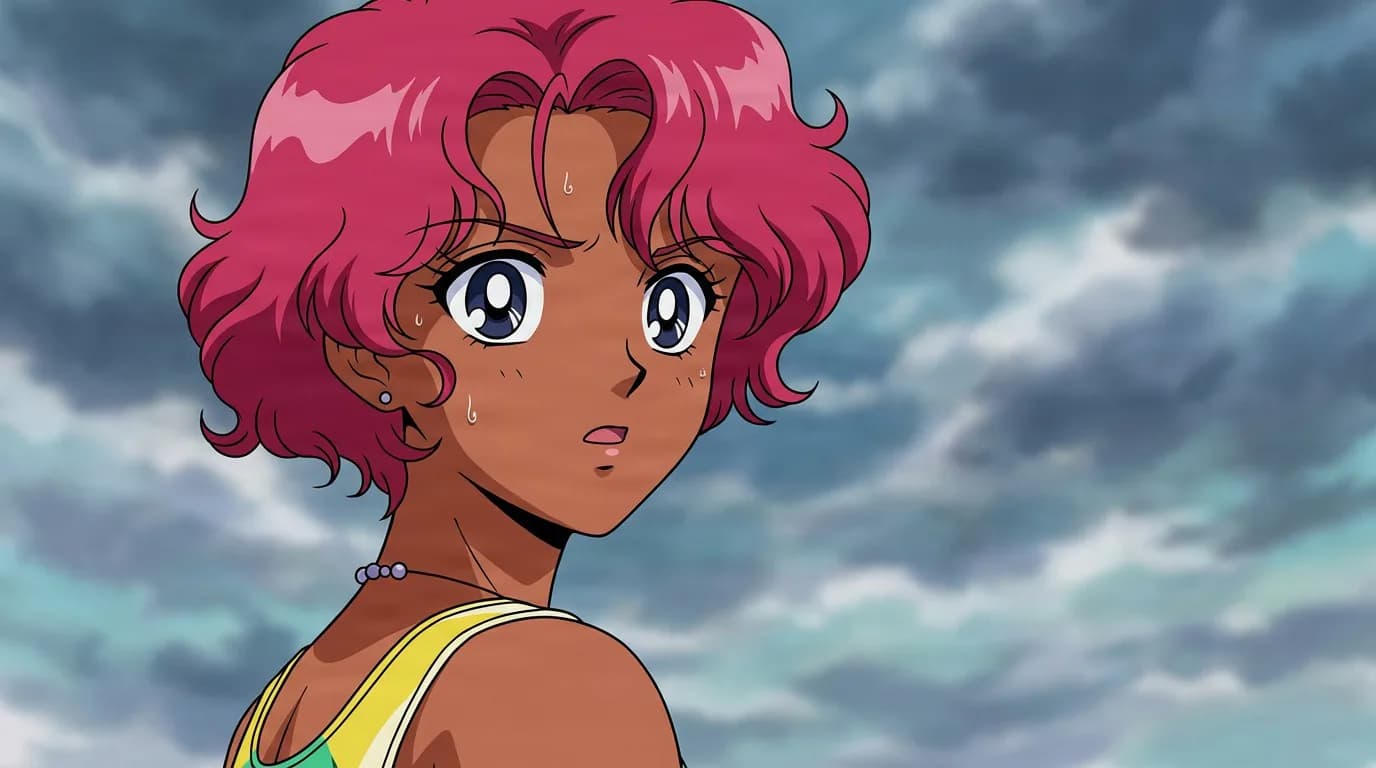
A thick mane of curly, vivid magenta hair sits above Elsa's warm, medium-to-dark complexion. Her wide eyes carry a faint trace of worry, set over a small nose and full lips. For her athletic look she pairs a sleeveless top, teal-blue with yellow shoulder straps, and finishes it with a slender necklace.

Personality
Elsa is a dedicated and respected competitor, generous enough to guide newcomers yet privately stung by an old failure. Her friendliness shows in how she welcomes strangers and steers promising athletes toward her sport, while her competitive streak keeps her fixated on the one rival she could never overtake.
Related Reading
See all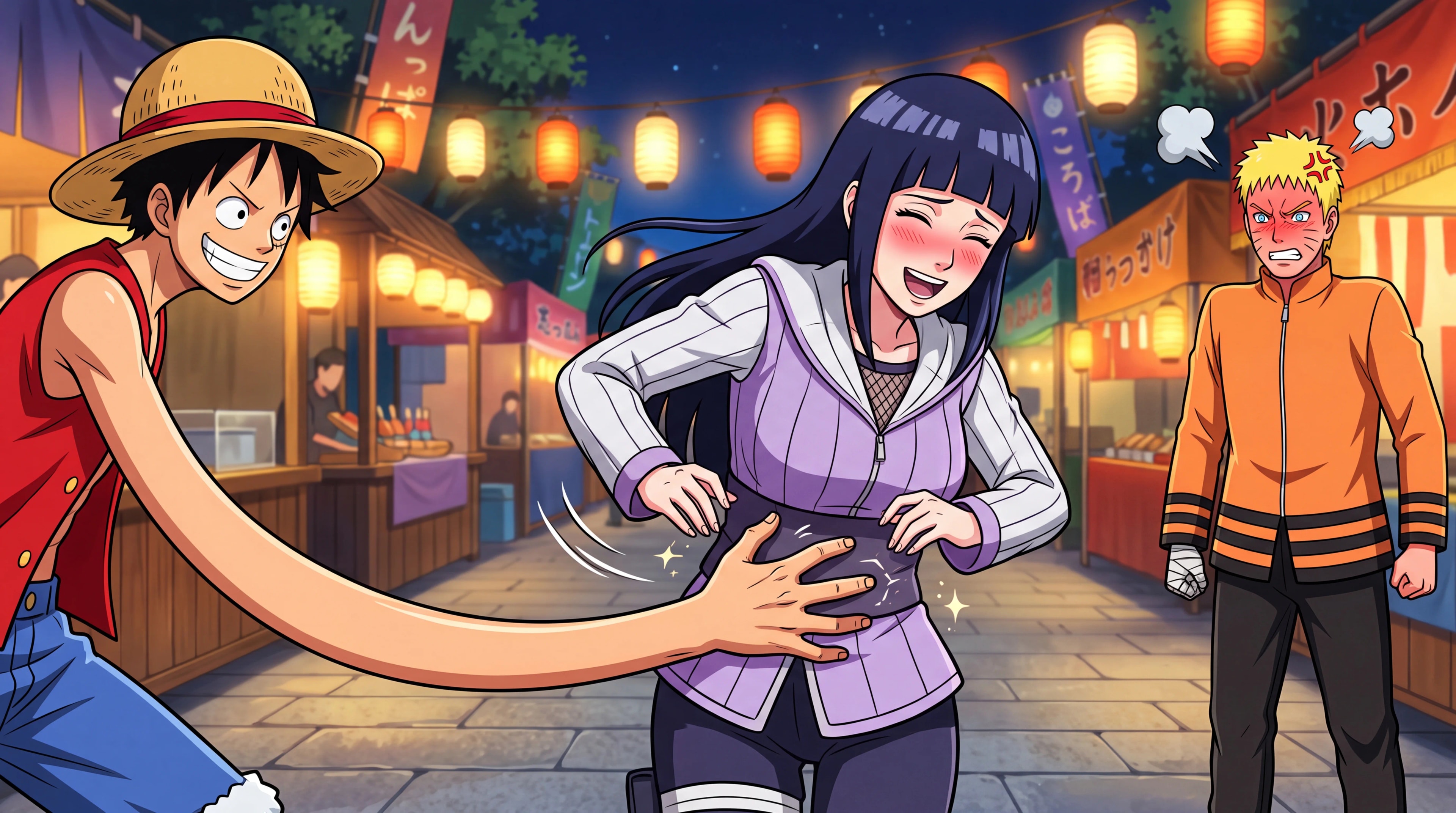
Naruto vs Luffy: Does the Fight Change if Luffy Tickles Hinata?
Naruto vs Luffy with the twist nobody asked for: Luffy tickled Hinata on date night, and she kind of liked it. We break down the whole fight and commit to a winner....
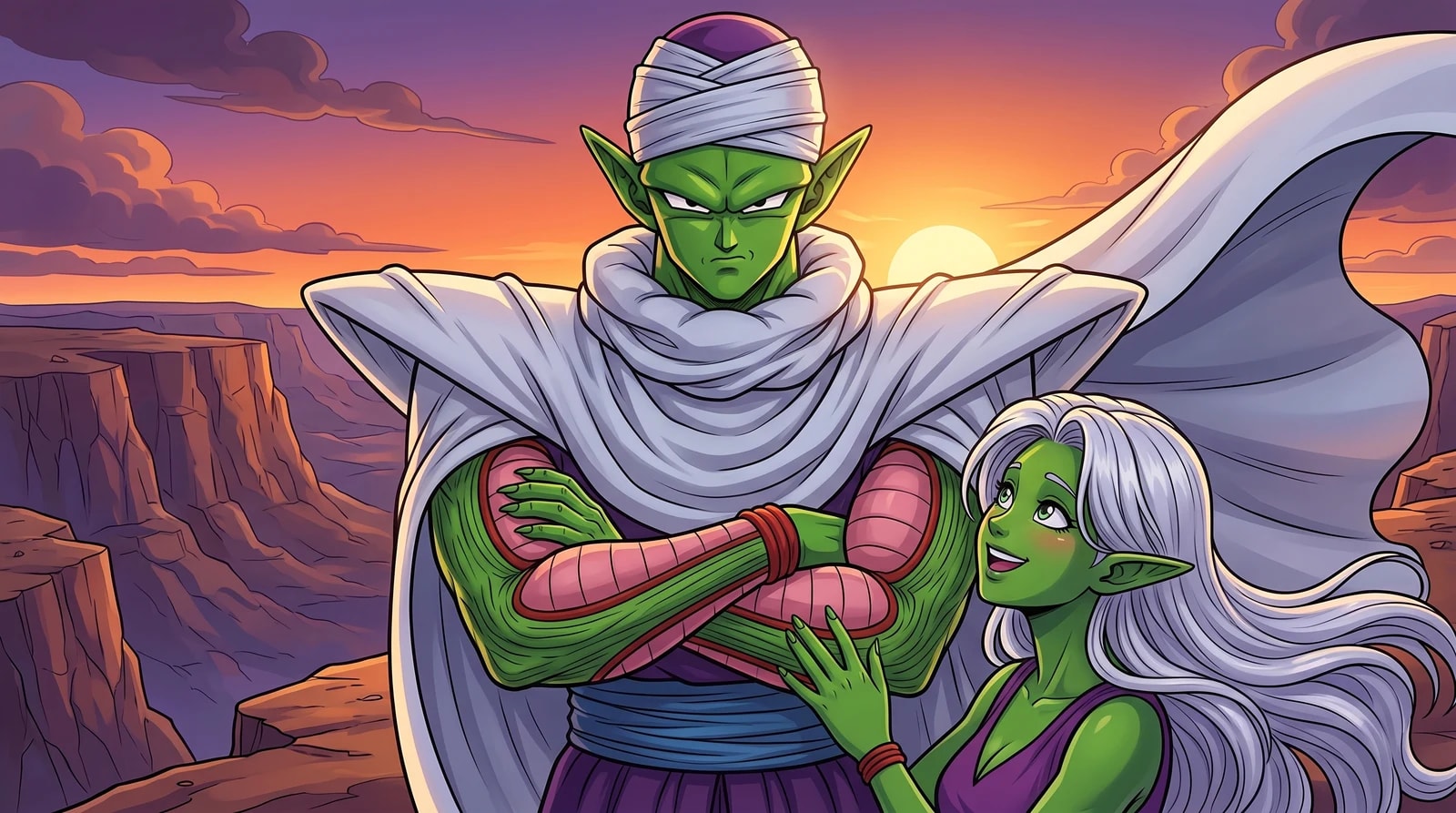
Namek Has No Women, and Piccolo Pulls Anyway
There are no women on Namek. That isn't an oversight, it's the biology. Why we handed Piccolo the one thing his own species rules out, and why it had to be trap soul....
History
A standout on the track, Elsa raced regularly for her junior high and kept crossing paths with Haruka Tenou at meets. Haruka became the single opponent she could never beat, though the two stayed on warm terms, and Elsa was the one who eventually introduced her own friend Michiru Kaiou to Haruka. Moving up to Shirakaba High School, she remained a celebrated runner, still nursing regret that Haruka had retired before she ever managed a win.
One weekend she meets Usagi Tsukino and her friends touring the campus. Noticing the build of Makoto Kino and Minako Aino, she suggests they join her track team should they enroll, and the group parts ways. Moments later Eudial corners her. Elsa evades the first blast from the Capture Gun but not the second, which draws out her Pure Heart Crystal. The Sailor Team, along with Sailor Uranus and Sailor Neptune, intervenes, and once Uranus confirms the heart is no talisman, she returns it. Elsa recovers with no idea that her old friends had saved her.
Frequently Asked Questions
Who is Elsa Gray in Sailor Moon?
Elsa Gray is a gifted sprinter who appears only in Sailor Moon S, a longtime track rival and friend of Haruka Tenou.
How is Elsa Gray connected to Haruka Tenou and Michiru Kaiou?
Elsa Gray raced against Haruka Tenou for years without ever beating her, and Elsa was the one who first introduced her friend Michiru Kaiou to Haruka.
What happens when Eudial attacks Elsa Gray?
Eudial corners Elsa Gray with her Capture Gun and draws out her Pure Heart Crystal, but the Sailor Team along with Sailor Uranus and Sailor Neptune intervenes, and Uranus returns the heart once she confirms it is not a talisman.
What does Elsa Gray look like?
Elsa Gray has a thick mane of curly, vivid magenta hair and a medium to dark complexion, and she wears a sleeveless teal blue athletic top with yellow shoulder straps.
Where does Elsa Gray go to school?
Elsa Gray attends Shirakaba High School, where she remains a celebrated track and field runner.
Sources & Information
Looking for more on Elsa Gray? The Sailor Moon Wiki on Fandom has a dedicated page with community notes.
View on FandomThis content is original writing by Daddy Jim Headquarters based on the Sailor Moon anime series, manga, and official materials. Sailor Moon was created by Naoko Takeuchi, published by Kodansha, and animated by Toei Animation. All rights to Sailor Moon and its characters belong to their respective owners. Episode and chapter references are cited where applicable.
Rights holders
- Created byNaoko Takeuchi
- Published byKodansha
- Animated byToei Animation
All rights belong to their respective owners.
Character and scene imagery on this site is original artwork by Daddy Jim Headquarters, not screenshots or licensed imagery. Official cover art is used on three types of pages for editorial commentary:
- Movie pages: theatrical posters and key visuals, credited to Toei Animation and Kodansha.
- Game pages: official box art, credited to the game's respective publishers.
- Manga chapter pages: volume covers, credited to Kodansha and Naoko Takeuchi.
Official resources:
Help Us Keep This Wiki Accurate
Daddy Jim Headquarters maintains this encyclopedia. If you spot an error, a translation issue, or something that doesn't look right, let us know.