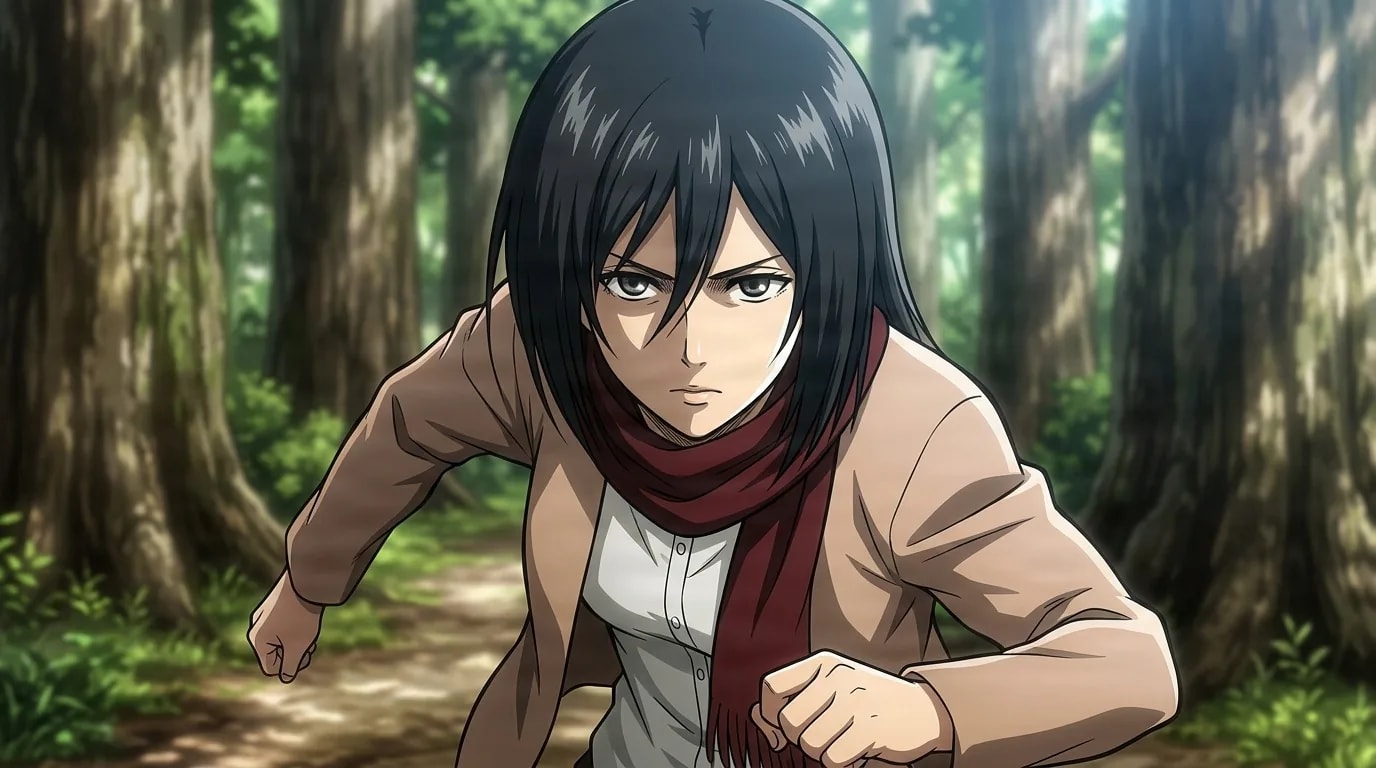
Ackerman
CharacterMikasa's father carries the Ackerman surname and none of the clan's fabled awakening. A cheerful hunter living quietly in the woods outside Shiganshina with his wife and daughter, he is murdered at his own front door by traffickers who have come for the two Asian women of his household.
Appearance
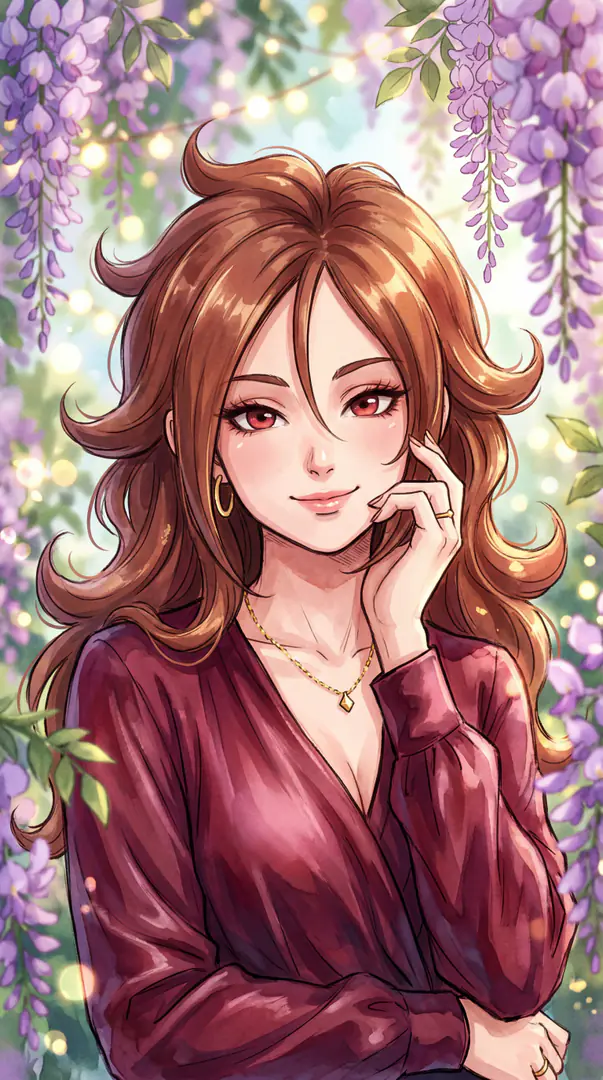
Gold-tinted eyes and a trace of stubble on the chin give Mikasa's father a warm, rustic look. His blond hair is worn short, his age reads as the middle thirties, and plain clothing marks him as a man of ordinary means.
Personality
An easy humor runs through him despite a laborer's life. When his young daughter asks how babies are made, he dodges with a joke, claiming not to know and telling her to put the question to Dr. Yeager on his next visit. Nothing in his cheerful manner resembles the cold intensity of awakened Ackermans, and the ease with which he is killed suggests the clan's dormant power never surfaced in him.

History
Persecution shapes his entire life. The Ackerman bloodline is hounded inside the cities, and a failed family business appears to have pushed the household into poverty, so he raises his family in a forest near Shiganshina District, feeding them by hunting and tending a garden. His wife, an Asian woman whose Azumabito relatives were likewise denied a place in the cities, met him as a fellow outcast driven into the mountains, and the two married there. He never learns why his surname draws discrimination, since the Ackermans are not a separate race the way his wife's people are.
While the family waits for Dr. Grisha Yeager's routine visit, human traffickers arrive intending to sell his wife and daughter, the last Asians, on the black market. A single knife thrust at his doorway kills him before he can grasp what is happening. Grisha and young Eren discover the scene afterward, the doctor judging that the couple has been dead for hours. Years later, Levi's questions about Kenny Ackerman prompt Mikasa to recount her parents' story to the captain.
Related Reading
See all
Naruto vs Luffy: Does the Fight Change if Luffy Tickles Hinata?
Naruto vs Luffy with the twist nobody asked for: Luffy tickled Hinata on date night, and she kind of liked it. We break down the whole fight and commit to a winner....
Piccolo Gets the Namek Hoes: Namek Has No Women, and He Pulls Anyway
There are no women on Namek. That isn't an oversight, it's the biology. Why we handed Piccolo the one thing his own species rules out, and why it had to be trap soul....
Frequently Asked Questions
Why is Mikasa called Ackerman?
Mikasa Ackerman takes her surname from her father, an ordinary hunter known simply as Ackerman, who raised her in a forest outside Shiganshina District before he was murdered by human traffickers.
Who were the Ackermans in AOT?
This entry covers Ackerman, Mikasa's father, a cheerful hunter with gold-tinted eyes who lived quietly in the woods outside Shiganshina with his Asian wife and daughter, showing none of the clan's famed awakened power.
How does Mikasa's father die?
Mikasa's father is killed by a single knife thrust at his own doorway when human traffickers arrive intending to sell his wife and daughter, the last known Asians, on the black market.
What kind of life did Mikasa's father lead?
Mikasa's father raised his family by hunting and gardening in a forest near Shiganshina District, having been pushed into poverty by discrimination tied to the Ackerman name.
Who discovers Mikasa's parents after their deaths?
Dr. Grisha Yeager and his young son Eren discover the bodies of Mikasa's father and mother, with Grisha judging the couple had been dead for hours.
Sources & Information
Looking for more on Ackerman? The Dragon Ball Wiki on Fandom has a dedicated page with community notes.
View on FandomThis content is original writing by Daddy Jim Headquarters based on the Dragon Ball anime series, manga, and official materials. Episode and chapter references are cited where applicable.
Character and scene imagery on this site is original artwork by Daddy Jim Headquarters, not screenshots or licensed imagery. Official cover art is used on three types of pages for editorial commentary:
- Movie pages: theatrical posters and key visuals, credited to Toei Animation and Shueisha.
- Game pages: official box art, credited to Bandai Namco, Atari, and other publishers.
- Manga chapter pages: Jump Comics volume covers, credited to Shueisha and Akira Toriyama.
Official resources:
Help Us Keep This Wiki Accurate
Daddy Jim Headquarters maintains this encyclopedia. If you spot an error, a translation issue, or something that doesn't look right, let us know.