Hajime Isayama
CharacterA rejected pitch at Weekly Shōnen Jump became one of the defining manga of its era. Hajime Isayama, born in rural Ōita in 1986, refused to soften Attack on Titan to suit Jump's tastes, carried it to Kodansha instead, and spent twelve years drawing Eldia's rise and ruin.
History
Born August 29, 1986, Isayama grows up in Ōita Prefecture on the island of Kyushu. After high school in Hita he studies cartoon design at Kyushu Designer Gakuin, then moves to Tokyo to draw manga professionally. His 2006 one-shot version of Attack on Titan earns a Fine Work prize in Kodansha's Magazine Grand Prix. He first shows the project to Shueisha's Weekly Shōnen Jump, where editors advise reworking both style and story to fit the magazine; he declines and takes the manuscript to Kodansha's Weekly Shōnen Magazine department instead.
Two more one-shots follow. Heart Break One receives a Special Encouragement award at the 80th Weekly Shōnen Magazine Freshman Manga Award in 2008, and orz is chosen as a selected work at the 81st. Serialization of Attack on Titan begins in the monthly Bessatsu Shōnen Magazine in 2009, and in 2011 the series takes the 35th Kodansha Manga Award in the shōnen category. On the final day of 2018 he announces on his blog that he married during that year, denying rumors that named Yamamoto Arisa as his spouse and promising to keep drawing.
Works
Attack on Titan, which ran from 2009 to 2021, stands as his only serialized series. His shorter catalog includes the original 2006 Attack on Titan one-shot, Heart Break One and orz from 2008, and two 2014 collaborations: Attack on Avengers, illustrated by Axel Alonso and Joe Quesada, and The Killing Pawn, drawn by Ryoji Minagawa. In 2024 he storyboarded The Theory of the Ill-Natured Man and AI, a one-shot conceived by voice actor Yūki Kaji and drawn by Kai Noshigami, and released the artbook Attack on Titan FLY.
Legacy
Isayama's affections inside his own cast have shifted with the story. Jean held the top spot in 2012 and reclaimed it after the finale, Reiner owned it through the Marley era, and Historia also ranks among his favorites; he considers Daz the character most like himself and jokes that he matches the Garrison types who sit around drinking. Given the choice of a military branch, he would pick the Military Police purely to stay far from Titans. He rates Chapter 71 as the best in the series and calls Chapter 104's brawl between the Attack Titan and the Jaw Titan his favorite scene.
As a fan he is just as vocal. JoJo's Bizarre Adventure shaped his youth, and a 2016 binge of Game of Thrones turned him into an evangelist whose later chapters carry visible nods to the show, from Titans resembling its characters to a chapter titled after its Children of the Forest; the show's finale left him let down. For years his blog carried ranked lists of his favorite films, topped by picks such as The Wind Rises and Mad Max: Fury Road, and in a 2020 interview about his manga's approaching conclusion he admitted disappointment with the ending he had in store.
Related Reading
See all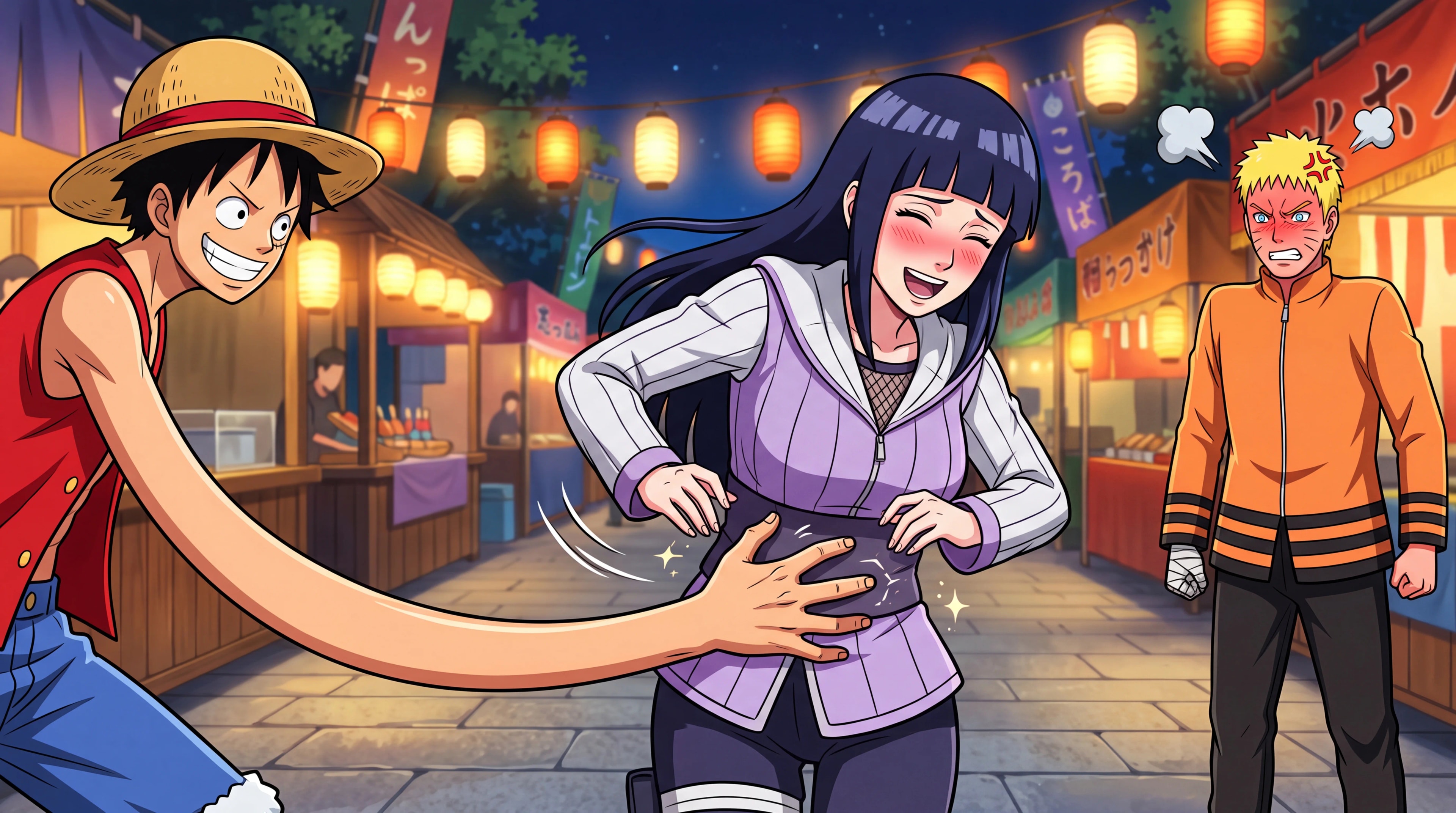
Naruto vs Luffy: Does the Fight Change if Luffy Tickles Hinata?
Naruto vs Luffy with the twist nobody asked for: Luffy tickled Hinata on date night, and she kind of liked it. We break down the whole fight and commit to a winner....
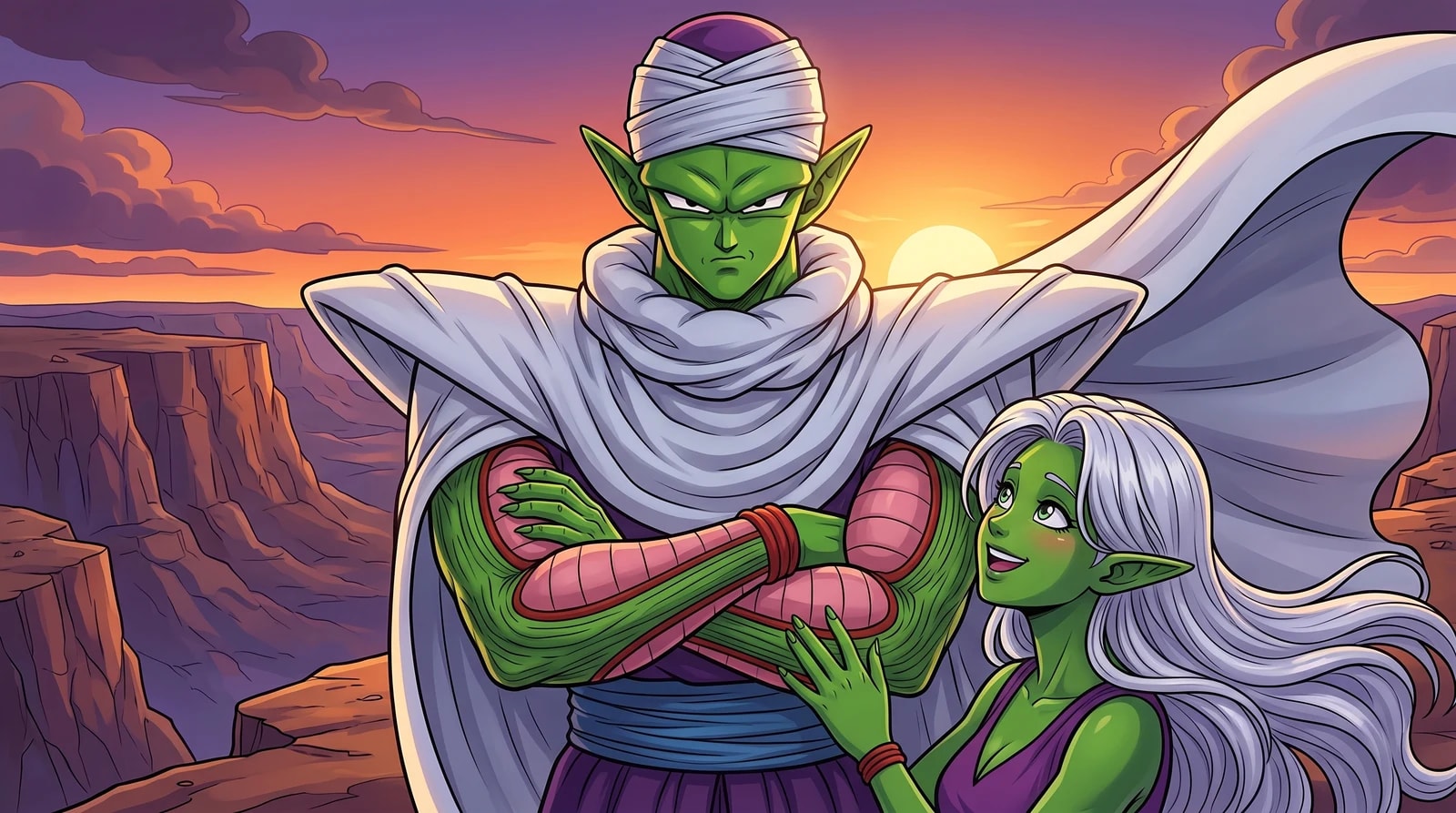
Piccolo Gets the Namek Hoes: Namek Has No Women, and He Pulls Anyway
There are no women on Namek. That isn't an oversight, it's the biology. Why we handed Piccolo the one thing his own species rules out, and why it had to be trap soul....
Frequently Asked Questions
Did Hajime Isayama regret the ending of Attack on Titan?
Yes, in a 2020 interview about the manga's approaching conclusion, Hajime Isayama admitted disappointment with the ending he had planned for Attack on Titan.
Did Hajime Isayama write Attack on Titan?
Yes, Hajime Isayama both wrote and illustrated Attack on Titan, serializing it in Bessatsu Shonen Magazine from 2009 to 2021 after Kodansha picked up the manga.
What is Hajime Isayama doing now?
Since Attack on Titan ended in 2021, Hajime Isayama has continued working in manga, storyboarding the 2024 one-shot The Theory of the Ill-Natured Man and AI and releasing the artbook Attack on Titan FLY.
How old was Hajime Isayama when Attack on Titan began serialization?
Born on August 29, 1986, Hajime Isayama was about 22 or 23 years old when Attack on Titan began serialization in Bessatsu Shonen Magazine in 2009.
Why did Hajime Isayama take Attack on Titan to Kodansha instead of Shueisha?
Hajime Isayama first pitched Attack on Titan to Shueisha's Weekly Shonen Jump, but declined their request to rework its style and story, taking the manuscript to Kodansha's Weekly Shonen Magazine department instead.
Sources & Information
Looking for more on Hajime Isayama? The Dragon Ball Wiki on Fandom has a dedicated page with community notes.
View on FandomThis content is original writing by Daddy Jim Headquarters based on the Dragon Ball anime series, manga, and official materials. Episode and chapter references are cited where applicable.
Character and scene imagery on this site is original artwork by Daddy Jim Headquarters, not screenshots or licensed imagery. Official cover art is used on three types of pages for editorial commentary:
- Movie pages: theatrical posters and key visuals, credited to Toei Animation and Shueisha.
- Game pages: official box art, credited to Bandai Namco, Atari, and other publishers.
- Manga chapter pages: Jump Comics volume covers, credited to Shueisha and Akira Toriyama.
Official resources:
Help Us Keep This Wiki Accurate
Daddy Jim Headquarters maintains this encyclopedia. If you spot an error, a translation issue, or something that doesn't look right, let us know.