While Casca tends his wounds, Guts confesses that he has no dream of his own within the Band of the Falcon, planting the first hint that he intends to leave. Elsewhere, Midland lays siege to the fortress of Doldrey as Tudor sends its elite knights to strike back.
Summary
As Casca strips away his bandages and applies the elf dust, Guts reflects that cutting down a hundred foes means less than fighting for something worthy, the way she and Griffith do. He observes that every mercenary in the band carries private hopes, comparing those small ambitions to the camp's bonfires: fragile flames snuffed out by any gust, which is why the men gather around Griffith's larger, steadier fire. Guts admits his own flame does not burn there. Casca grasps at once that he means to depart, though he promises to remain until the campaign is finished.
Key Events
Rickert and Pippin arrive to report that Griffith, relieved to learn they survived, has hurried back to camp. Casca meets him first and apologizes for riding into battle while ill, only for Guts to puncture the moment by slapping her rear and mocking her theatrics. He then leaves with his men for a drink, and Casca watches him go, uneasy about whether he truly plans to abandon the band. Later in the war, Midland's army besieges Doldrey, a Tudor-held stronghold reputed to be impregnable. A foot soldier warns one of Midland's generals that losses are mounting and that Tudor has dispatched its finest regiment, the Holy Purple Rhino Knights, against Midland's field headquarters.
Notes
This twenty-two-page chapter belongs to the Golden Age Arc and appeared in Young Animal issue eighteen on September 10, 1993. In a Gamebiz.jp interview, Kouji Mori recounted that the bonfire scene grew from a memory of a high school festival: standing apart from the celebrating crowd, he and Kentarou Miura vowed to wield their pens for themselves alone, feeling that a solitary struggle still had to be fought somewhere beyond the warmth of the group.
Related Reading
See all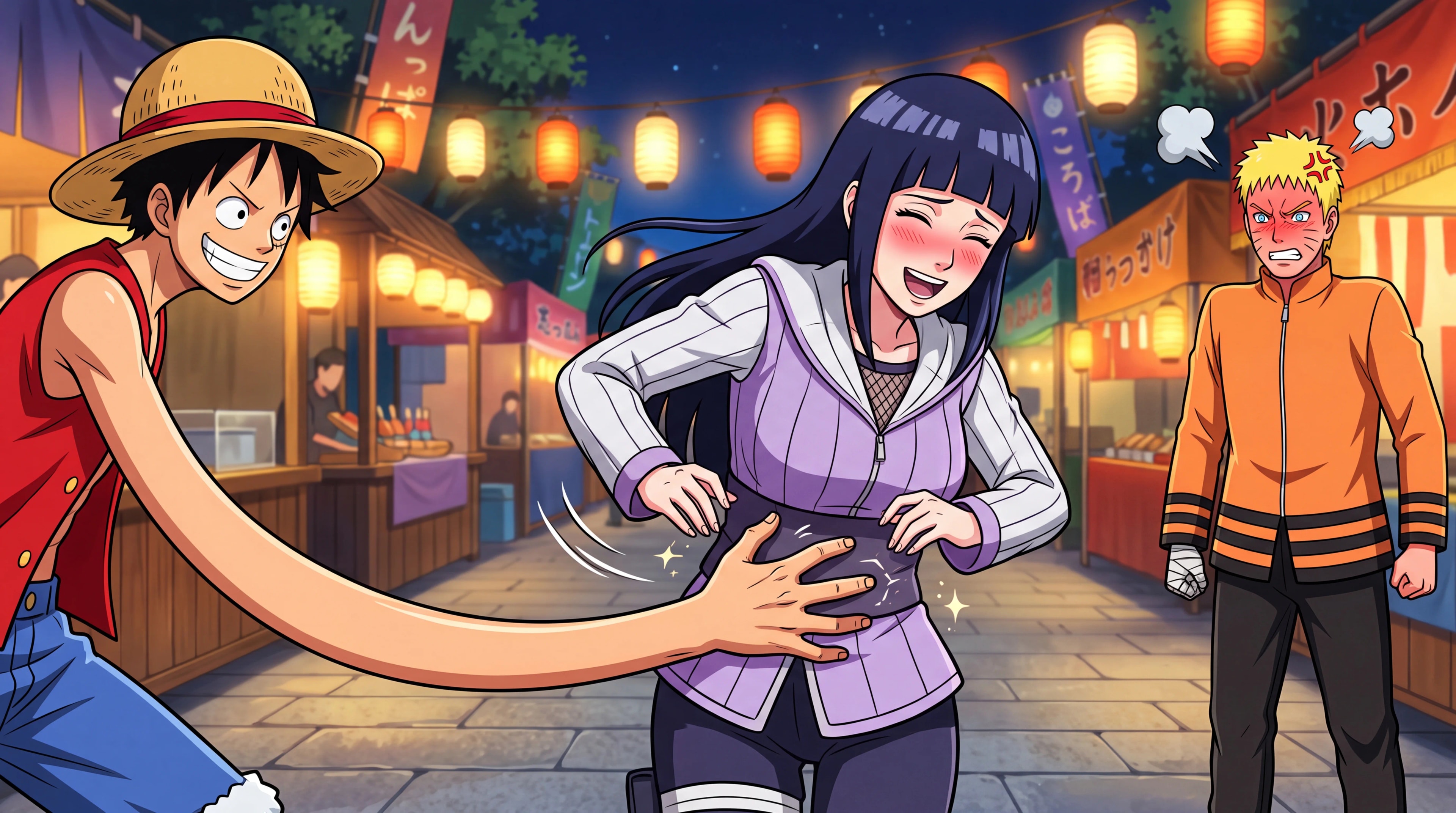
Naruto vs Luffy: Does the Fight Change if Luffy Tickles Hinata?
Naruto vs Luffy with the twist nobody asked for: Luffy tickled Hinata on date night, and she kind of liked it. We break down the whole fight and commit to a winner....
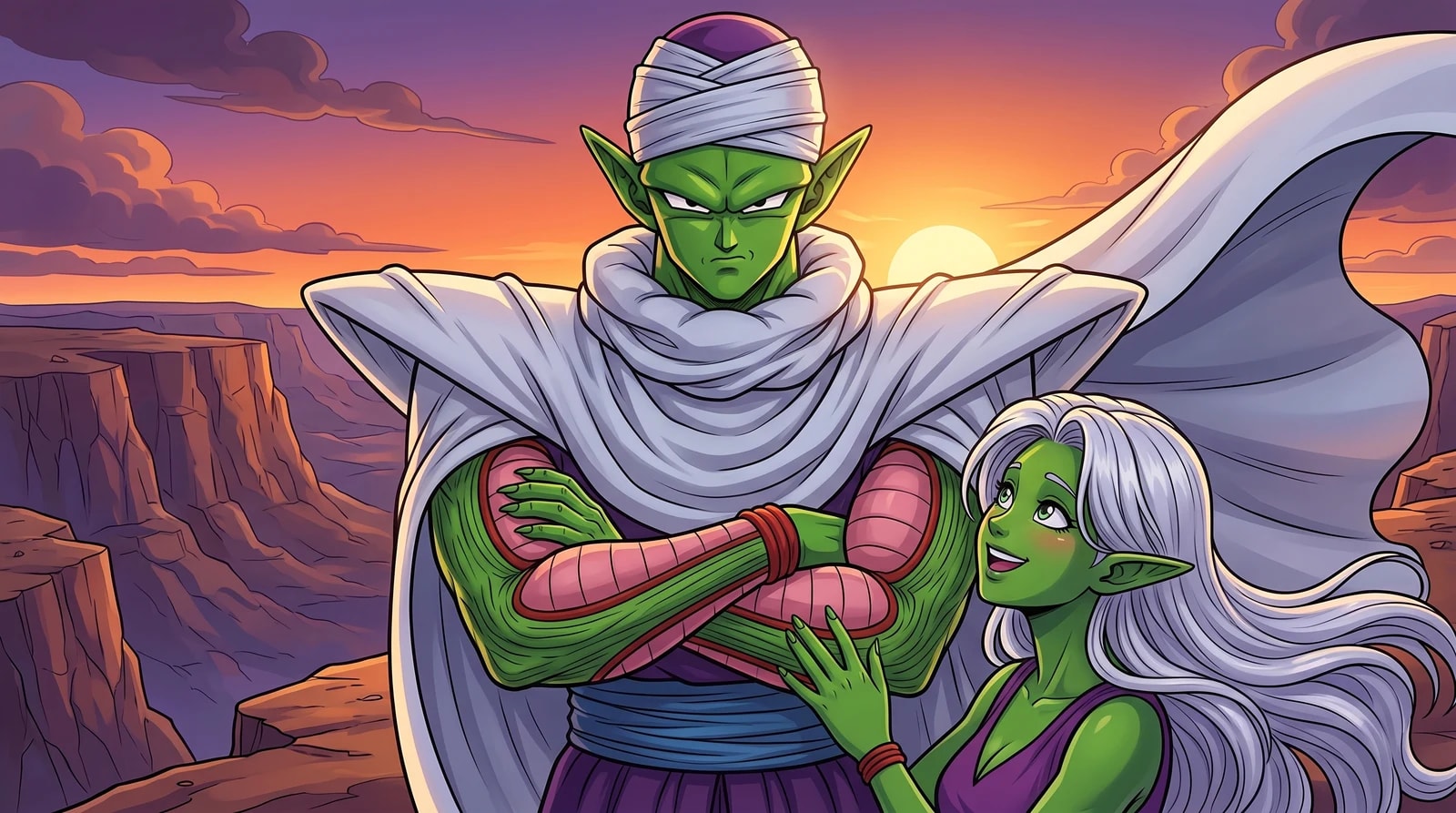
Piccolo Gets the Namek Hoes: Namek Has No Women, and He Pulls Anyway
There are no women on Namek. That isn't an oversight, it's the biology. Why we handed Piccolo the one thing his own species rules out, and why it had to be trap soul....
Frequently Asked Questions
What is the "bonfire of dreams" quote about in Berserk?
In this chapter, Guts compares each mercenary's private dream to a small, fragile bonfire that any gust can snuff out, explaining that this is why the men in the Band of the Falcon gather instead around Griffith's larger, steadier fire.
What does Guts admit to Casca in "Bonfire of Dreams"?
Guts admits that, unlike the men who follow Griffith's dream, his own flame does not burn within the Band of the Falcon, hinting that he intends to eventually leave.
Does Guts plan to leave the Band of the Falcon right away?
No, in this chapter Guts promises Casca that he will remain with the Band of the Falcon until the current campaign is finished, even though he hints he intends to leave eventually.
What is happening at Doldrey while Guts and Casca talk?
While Guts and Casca talk at camp, Midland's army is besieging Doldrey, a Tudor-held stronghold, and Tudor sends its elite Holy Purple Rhino Knights to strike back at Midland's field headquarters.
Where did the "bonfire" scene idea come from?
According to a Gamebiz.jp interview, Kouji Mori said the bonfire scene grew from a memory of a high school festival, where he and creator Kentarou Miura stood apart from the celebrating crowd and vowed to wield their pens for themselves alone.
Sources & Information
Looking for more on Bonfire of Dreams? The Dragon Ball Wiki on Fandom has a dedicated page with community notes.
View on FandomThis content is original writing by Daddy Jim Headquarters based on the Dragon Ball anime series, manga, and official materials. Episode and chapter references are cited where applicable.
Character and scene imagery on this site is original artwork by Daddy Jim Headquarters, not screenshots or licensed imagery. Official cover art is used on three types of pages for editorial commentary:
- Movie pages: theatrical posters and key visuals, credited to Toei Animation and Shueisha.
- Game pages: official box art, credited to Bandai Namco, Atari, and other publishers.
- Manga chapter pages: Jump Comics volume covers, credited to Shueisha and Akira Toriyama.
Official resources:
Help Us Keep This Wiki Accurate
Daddy Jim Headquarters maintains this encyclopedia. If you spot an error, a translation issue, or something that doesn't look right, let us know.