Brand of Sacrifice
ItemThe Brand of Sacrifice marks anyone offered up in the Invocation of Doom, the rite through which those chosen by causality shed their humanity to become an apostle or a member of the God Hand. Its bearers bleed and burn whenever evil draws near.
Overview
The Brand of Sacrifice is set upon those consecrated for the Invocation of Doom, a ceremony where a person selected by the laws of causality rises above their humanity to be remade as an apostle or a God Hand member, and which also cuts an apostle's final bond to the human world. The lives fed into the rite belong to someone the summoner holds close, offered to the creatures of darkness and slaughtered in ritual fashion. In the case of the God Hand, that stolen life force finishes the summoner's transformation. So far, Void is the only figure ever shown branding a victim.
Function
Those who live through the ceremony are trapped in the Interstice between the physical and astral planes, left to defend themselves against dark creatures and the flesh-hungry dead that assail them each night. In the presence of evil the mark bleeds and inflicts pain. Around common spirits or apostles the blood merely seeps and the ache stays mild, but near a God Hand member it erupts in thick spurts and the agony becomes crushing; a strong enough evil can supposedly kill the branded outright. The mark also stirs faintly around figures like Flora and Daiba, and flares during events such as Griffith's Incarnation Ceremony or the emergence of Shiva. Apostles can smell the brand as a scent of evil and hunt down whoever carries it.



Notable Users
Guts and Casca stand as the only known survivors to bear the mark, and while they journeyed together they drew swarms of evil spirits that brought ruin to every settlement they crossed; the witches Flora and Schierke can blunt the effect by inscribing temporary seals over the brands. The sacrifice demanded need not be someone loved nor even a specific person: Griffith gave up the entire Band of the Falcon to become Femto, and the Egg of the Perfect World offered his "world." An intended victim can be rejected, as Guts was for the Count, both because his worth to the God Hand was irrelevant and because a person already branded cannot be sacrificed twice. Across the story the mark has appeared in many places, from Guts' neck and Casca's chest to Judeau's palm, Corkus' forehead, and Pippin's arm.
Related Reading
See all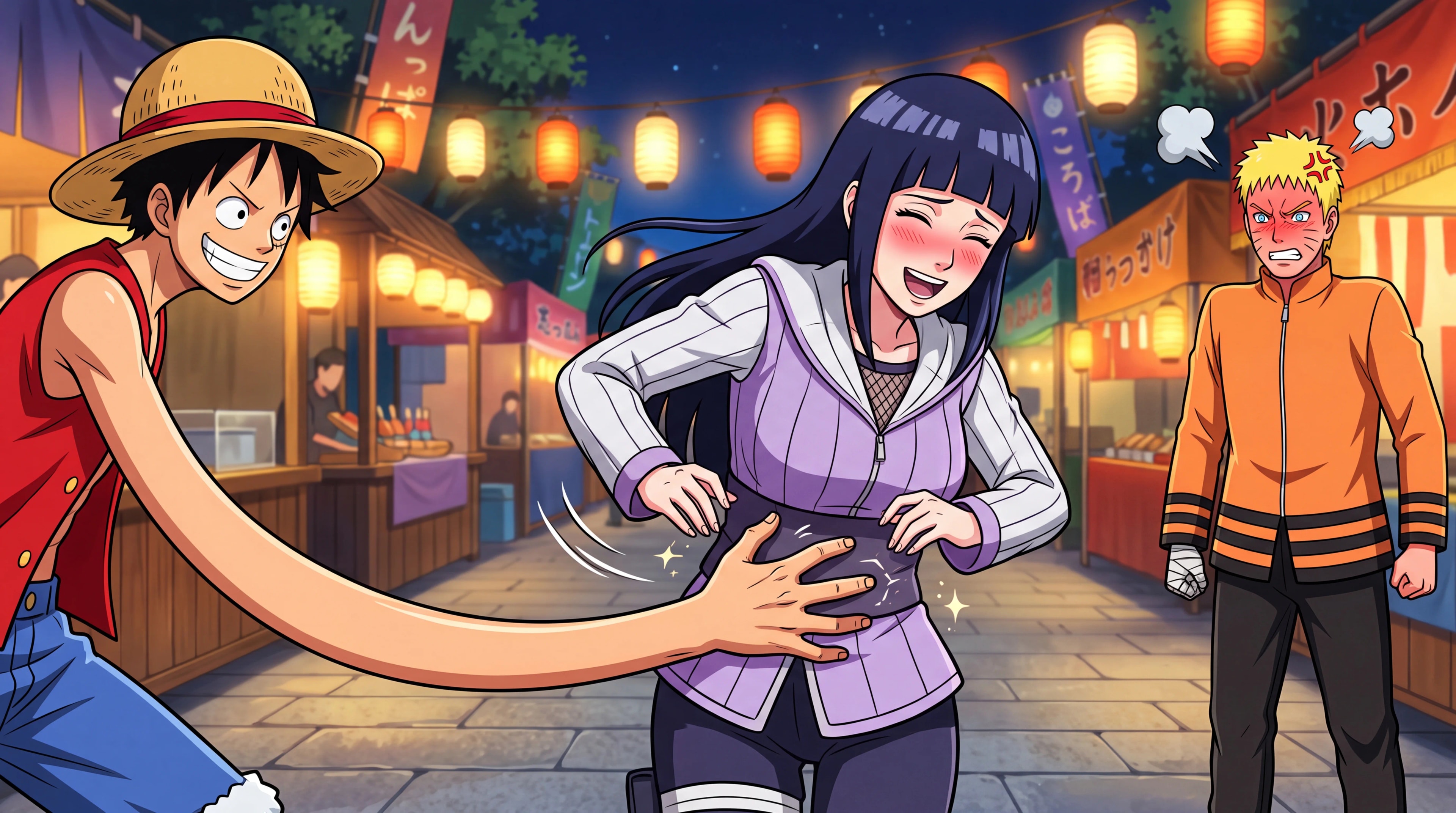
Naruto vs Luffy: Does the Fight Change if Luffy Tickles Hinata?
Naruto vs Luffy with the twist nobody asked for: Luffy tickled Hinata on date night, and she kind of liked it. We break down the whole fight and commit to a winner....
Piccolo Gets the Namek Hoes: Namek Has No Women, and He Pulls Anyway
There are no women on Namek. That isn't an oversight, it's the biology. Why we handed Piccolo the one thing his own species rules out, and why it had to be trap soul....

Frequently Asked Questions
What does the Brand of Sacrifice mean in Berserk?
The Brand of Sacrifice is a mark placed on a person offered up in the Invocation of Doom, the rite that lets someone chosen by causality rise beyond humanity to become an apostle or a member of the God Hand. It also severs an apostle's final bond to the human world, and its bearers bleed and feel pain whenever evil draws near.
Is there a way to remove the Brand of Sacrifice?
No permanent way to remove the Brand of Sacrifice is shown in Berserk. Witches such as Flora and Schierke can only blunt its effects temporarily by inscribing seals over the mark.
Who are the known survivors of the Brand of Sacrifice?
Guts and Casca are the only known people to survive being branded with the Brand of Sacrifice. Their marks constantly drew evil spirits toward them, bringing ruin to every settlement they crossed together.
How do apostles react to the Brand of Sacrifice?
Apostles can smell the Brand of Sacrifice as a scent of evil, which lets them track down and hunt whoever carries the mark.
Who administers the Brand of Sacrifice in Berserk?
Void is the only figure ever shown branding a victim with the Brand of Sacrifice, marking them ahead of the Invocation of Doom.
Sources & Information
Looking for more on Brand of Sacrifice? The Dragon Ball Wiki on Fandom has a dedicated page with community notes.
View on FandomThis content is original writing by Daddy Jim Headquarters based on the Dragon Ball anime series, manga, and official materials. Episode and chapter references are cited where applicable.
Character and scene imagery on this site is original artwork by Daddy Jim Headquarters, not screenshots or licensed imagery. Official cover art is used on three types of pages for editorial commentary:
- Movie pages: theatrical posters and key visuals, credited to Toei Animation and Shueisha.
- Game pages: official box art, credited to Bandai Namco, Atari, and other publishers.
- Manga chapter pages: Jump Comics volume covers, credited to Shueisha and Akira Toriyama.
Official resources:
Help Us Keep This Wiki Accurate
Daddy Jim Headquarters maintains this encyclopedia. If you spot an error, a translation issue, or something that doesn't look right, let us know.