Human
CharacterHumans are the ordinary living inhabitants of the Human World. Each body is put together from particles called Kishi and shelters a Soul held in place by the Chain of Fate, making Humans the natural counterpart to the Hollows.
Overview
A Human is any living person who dwells within the Human World, and the vast majority of that world's residents fall into this category. Like everything else around them, their physical bodies are assembled from tiny particles known as Kishi, and inside each one rests a Soul, anchored to the flesh by the Chain of Fate. In the cosmology of the setting, Humans sit opposite the Hollows.

Mechanics
Most Humans go through life completely unaware of the spiritual predators around them. Hollows typically claim their former loved ones as first prey before turning to Pluses and to Humans who carry spiritual power. A hard enough strike from a Hollow, or from a Shinigami, does more than wound the body; it can knock the Soul loose entirely. So long as the Chain of Fate remains intact, Kidō can repair that harm.
Shinigami are bound by law to leave Humans alone unless commanded otherwise, and one of their charges is shielding the living from Hollow attacks. Even so, some of them regard Humans as lesser beings, an odd stance given that most Souls, Shinigami included, began as Humans themselves.
Related Reading
See all
The Bleach Female Characters Nobody Can Agree On, Settled
Five Bleach female characters, ranked and settled. Yoruichi sits at number five, the spot nobody expects, and our number one is an Arrancar with a soft heart....
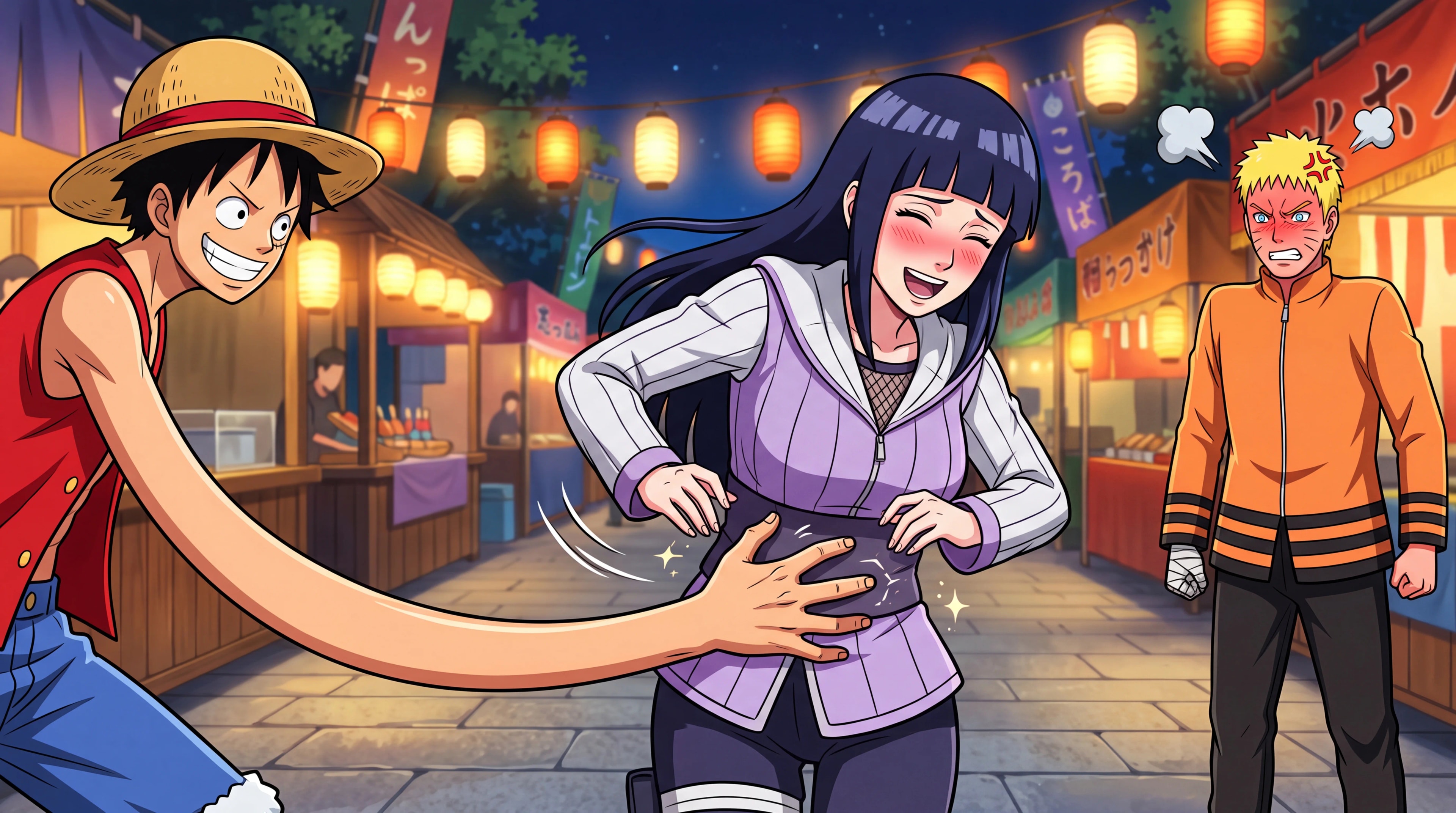
Naruto vs Luffy: Does the Fight Change if Luffy Tickles Hinata?
Naruto vs Luffy with the twist nobody asked for: Luffy tickled Hinata on date night, and she kind of liked it. We break down the whole fight and commit to a winner....
Notable Users
A tiny slice of the population is born with unusually high Reiryoku. These so-called High-Spec Humans can perceive and touch things made of Reishi, such as Souls, to differing degrees; Karin Kurosaki, Tatsuki Arisawa, and Keigo Asano are examples. Rarer still are those who gain outright powers, whether by chance or outside intervention, letting them fend off spiritual threats, as seen with Orihime Inoue, Don Kanonji, and Kyōko Haida.
Two spiritual offshoots of Humanity are singled out. The Quincy learned to weaponize Reishi against Hollows and were driven nearly to extinction by their feud with Soul Society. Fullbringers, meanwhile, can manipulate the souls inside physical matter; each is born to a mother who was attacked by a Hollow before or during pregnancy, absorbing traces of that Hollow's Reishi while still in the womb.
Frequently Asked Questions
What does Human mean in Bleach?
In Bleach, Human, written as Ningen in Japanese, refers to any living person who dwells in the Human World. The term describes the ordinary race that makes up the vast majority of that world's population.
What are Humans made of in Bleach?
Humans in Bleach have physical bodies assembled from tiny particles called Kishi. Inside each body rests a Soul, anchored to the flesh by the Chain of Fate.
Can Humans see Hollows in Bleach?
Most Humans in Bleach go through life completely unaware of the spiritual predators around them. A small slice of the population is born with unusually high Reiryoku, called High-Spec Humans, who can perceive and touch things made of Reishi such as Souls.
What is the relationship between Humans and Shinigami in Bleach?
Shinigami are bound by law to leave Humans alone unless commanded otherwise, and one of their duties is shielding Humans from Hollow attacks. Some Shinigami view Humans as lesser beings, despite most Souls, Shinigami included, having started out as Humans themselves.
What spiritual offshoots come from Humans in Bleach?
Two spiritual offshoots of Humanity appear in Bleach: the Quincy, who learned to weaponize Reishi against Hollows, and the Fullbringers, who can manipulate the souls inside physical matter. Fullbringers are born to mothers who were attacked by a Hollow before or during pregnancy.
Sources & Information
Looking for more on Human? The Bleach Wiki on Fandom has a dedicated page with community notes.
View on FandomThis content is original writing by Daddy Jim Headquarters based on the Bleach anime series, manga, and official materials. Episode and chapter references are cited where applicable.
Rights holders
- Created byTite Kubo
- Published byShueisha
- Animated byStudio Pierrot
All rights belong to their respective owners.
Character and scene imagery on this site is original artwork by Daddy Jim Headquarters, not screenshots or licensed imagery. Official cover art is used on three types of pages for editorial commentary:
- Movie pages: theatrical posters and key visuals, credited to Studio Pierrot and the production committee.
- Game pages: official box art for the Bleach console and mobile games, credited to Bandai Namco and other publishers.
- Manga chapter pages: Jump Comics volume covers, credited to Shueisha and Tite Kubo.
Official resources:
Help Us Keep This Wiki Accurate
Daddy Jim Headquarters maintains this encyclopedia. If you spot an error, a translation issue, or something that doesn't look right, let us know.