A standalone dream casts Ichigo as a desert thief named Chigo in an Arabian Nights riff on Soul Society. Chasing a jewel called the Snow Crystal, he wrangles a genie version of Rukia and keeps trying, and failing, to wake himself up.
Summary
Ichigo wakes in a desert dressed in Middle Eastern garb, greeted by friends who insist his name is Chigo and answer to their own altered names. Following Uryo's plan, the group breaks into the mansion of the wealthy Ura Vira, a dream double of Urahara, to steal the Snow Crystal, only to find a lamp shaped like Kon's plush head. Rubbing it summons a tiny genie, Rukiruki, a stand-in for Rukia who reluctantly grants wishes despite her disdain for tainted hearts and dyed hair.
When a wasted wish drops the group into the parody Lamp Society, Chigo learns Rukiruki is condemned to execution and is swept along to rescue her. The dream restages several of Ichigo's old battles, including a comic rematch with a costumed Byakuya, before he awakens back in the desert. Granted a final wish, he asks for the Snow Crystal on his friends' behalf, and the treasured jewel turns out to be a piece of fishcake. The whole reverie is bookended by Isane Kotetsu waking from her own strange fishcake dream.

Key Events
Ichigo dreams himself into an Arabian Nights world as a thief named Chigo, joined by altered versions of his friends. They seek the Snow Crystal and awaken a genie, Rukiruki, based on Rukia. After journeying through the Lamp Society parody of Soul Society and restaging past fights, Ichigo wishes for the Snow Crystal, which turns into fishcake. Isane wakes from a related dream.
Related Reading
See all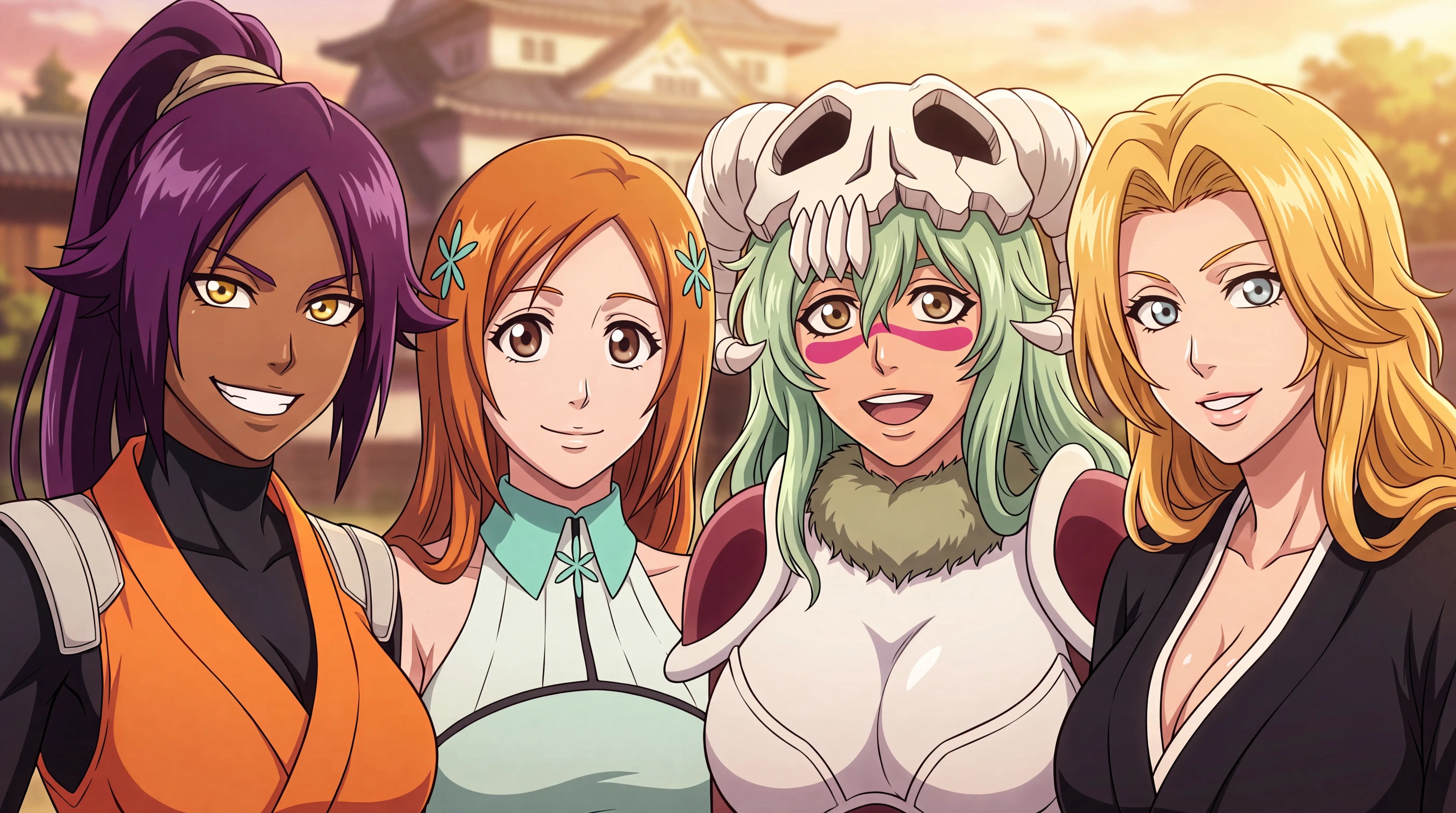
The Bleach Female Characters Nobody Can Agree On, Settled
Five Bleach female characters, ranked and settled. Yoruichi sits at number five, the spot nobody expects, and our number one is an Arrancar with a soft heart....
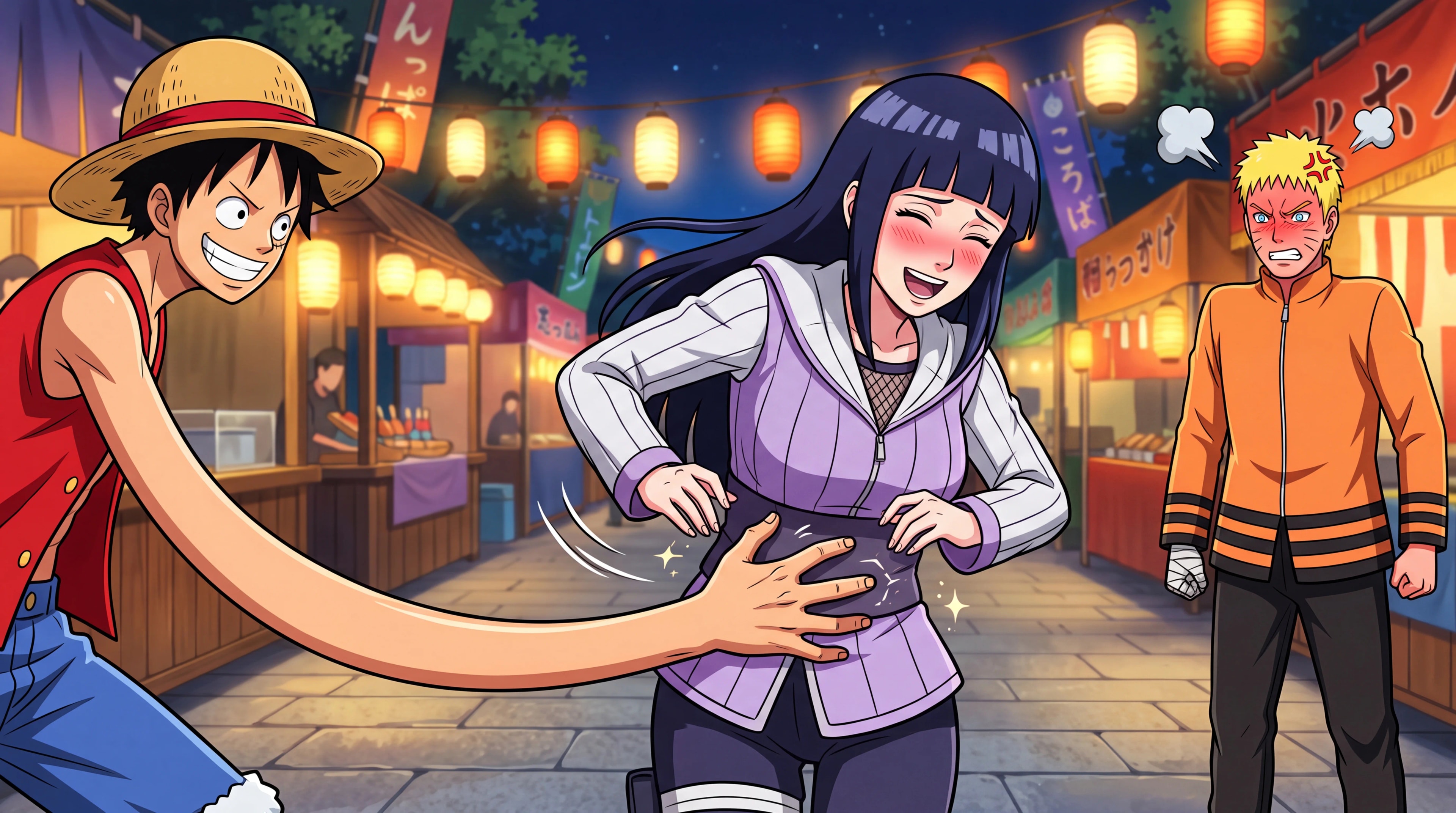
Naruto vs Luffy: Does the Fight Change if Luffy Tickles Hinata?
Naruto vs Luffy with the twist nobody asked for: Luffy tickled Hinata on date night, and she kind of liked it. We break down the whole fight and commit to a winner....
Notes
A standalone comedic episode with no arc, loosely based on Chapter 179 and a color spread reprinted in the All Colour But The Black artbook. It marks the tenth anniversary of the Bleach manga. The picture-book short warns viewers against falling into holes into alternate worlds, just before Ichigo and Uryū tumble into one. Ura Vira's hoard hides cameo treasures modeled on numerous Bleach characters.
Frequently Asked Questions
What episode is Ichigo and the Magic Lamp?
Side Story...Ichigo and the Magic Lamp is episode 287 of Bleach, a standalone anime-only comedic episode that does not belong to any story arc.
What is the episode Ichigo and the Magic Lamp about?
The episode is a standalone dream that casts Ichigo as a desert thief named Chigo in an Arabian Nights riff on Soul Society. Chasing a jewel called the Snow Crystal, he wrangles a genie version of Rukia and keeps trying, and failing, to wake himself up.
Who is Rukiruki in Ichigo and the Magic Lamp?
Rukiruki is a tiny genie who serves as a dream stand-in for Rukia, summoned when the group rubs a lamp shaped like Kon's plush head. She reluctantly grants wishes despite her disdain for tainted hearts and dyed hair.
What is the Snow Crystal in this episode?
The Snow Crystal is the treasured jewel that Chigo and his friends set out to steal, but when Ichigo finally wishes for it, the prized treasure turns out to be a piece of fishcake.
Is Ichigo and the Magic Lamp part of the main Bleach story?
No, it is a standalone comedic episode with no arc, loosely based on Chapter 179 and a color spread from the All Colour But The Black artbook, and it marks the tenth anniversary of the Bleach manga.
Sources & Information
Looking for more on Side Story...Ichigo and the Magic Lamp? The Bleach Wiki on Fandom has a dedicated page with community notes.
View on FandomThis content is original writing by Daddy Jim Headquarters based on the Bleach anime series, manga, and official materials. Episode and chapter references are cited where applicable.
Rights holders
- Created byTite Kubo
- Published byShueisha
- Animated byStudio Pierrot
All rights belong to their respective owners.
Character and scene imagery on this site is original artwork by Daddy Jim Headquarters, not screenshots or licensed imagery. Official cover art is used on three types of pages for editorial commentary:
- Movie pages: theatrical posters and key visuals, credited to Studio Pierrot and the production committee.
- Game pages: official box art for the Bleach console and mobile games, credited to Bandai Namco and other publishers.
- Manga chapter pages: Jump Comics volume covers, credited to Shueisha and Tite Kubo.
Official resources:
Help Us Keep This Wiki Accurate
Daddy Jim Headquarters maintains this encyclopedia. If you spot an error, a translation issue, or something that doesn't look right, let us know.