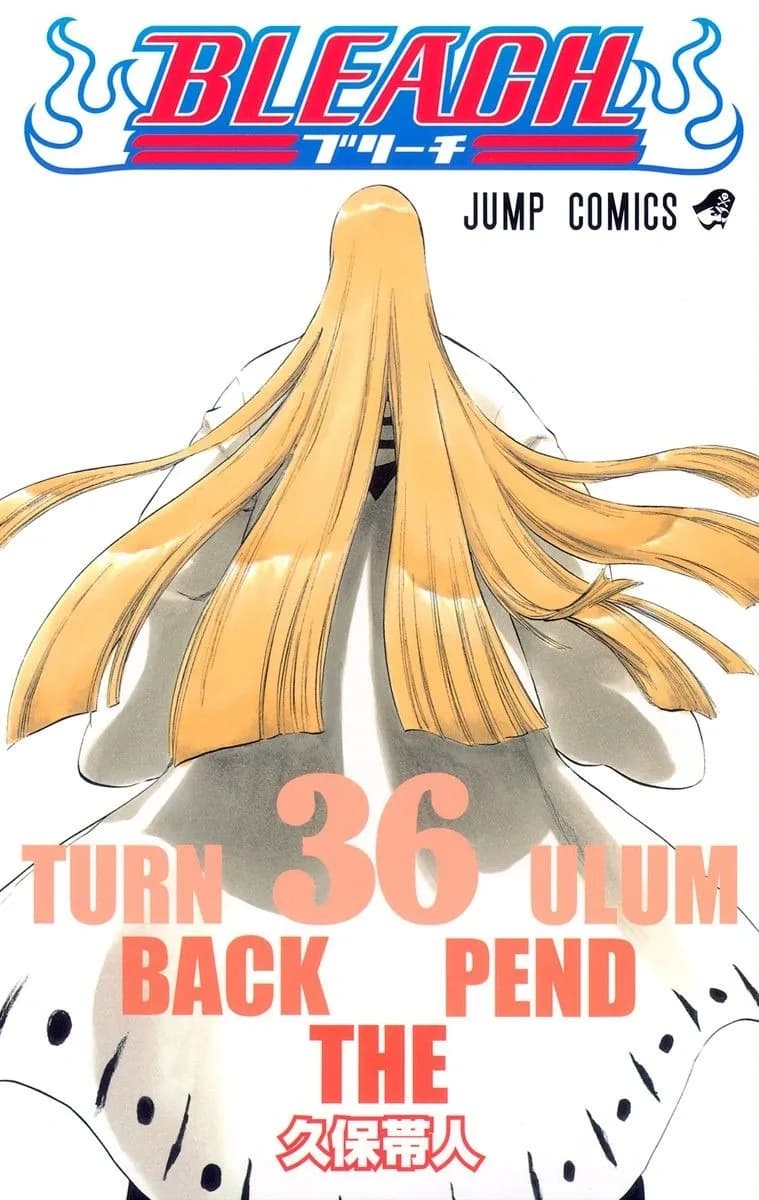
Urahara drags a reluctant Hiyori into the Nest of Maggots, the hidden detention pit beneath the Second Division, to unveil the secret purpose behind Soul Society's disappearances and to make an offer to its lone caged prisoner.
Main Characters (4)
Summary
At the Second Division headquarters, Yoruichi waves Urahara through her grounds despite a protest from Suì-Fēng, and he hauls the uncooperative Hiyori inside by her collar. The chapter lays out how the Onmitsukidō, once separate from the Gotei 13, became bound to the Second Division once its commander also held a captaincy, with each of its five section heads holding a seat there. Urahara reveals that as Third Seat he led the Detention Unit, whose stated task was guarding criminals of the Seireitei. Pressed on his careful wording, he admits the unit also confined any Shinigami judged a potential danger, locking them in an underground facility called the Nest of Maggots.
Descending into the cavern, Urahara stresses that it is no prison: detainees cannot leave, yet move freely within, and have committed no actual crime beyond being deemed hazardous under Seireitei's rules. He explains the euphemisms that hide such transfers, where a prolonged leave of absence quietly becomes decommissioning, all sanctioned by the Central 46. Since taking command, he has believed these dangerous minds could become a great asset given the right setting. When a detainee suddenly lunges at Hiyori, Urahara notes the pit is a weapons-free zone and subdues the man barehanded, since every Detention Unit leader must. He then brings her to the single caged inmate, a shackled Mayuri Kurotsuchi, and offers him the chance to walk out.

Key Events
The chapter exposes the Nest of Maggots and the quiet machinery by which Soul Society removes those it fears, disguising their vanishing as ordinary departures. It grounds Urahara's ambition to convert dangerous talent into power, the seed of the Research and Development Institute. Most significantly, it introduces Mayuri Kurotsuchi as the facility's lone caged detainee and sets up Urahara's offer to free him, the beginning of their long, uneasy partnership.
Related Reading
See all
The Bleach Female Characters Nobody Can Agree On, Settled
Five Bleach female characters, ranked and settled. Yoruichi sits at number five, the spot nobody expects, and our number one is an Arrancar with a soft heart....

Naruto vs Luffy: Does the Fight Change if Luffy Tickles Hinata?
Naruto vs Luffy with the twist nobody asked for: Luffy tickled Hinata on date night, and she kind of liked it. We break down the whole fight and commit to a winner....
Frequently Asked Questions
What is the Nest of Maggots in Turn Back The Pendulum 3?
In Turn Back The Pendulum 3, the Nest of Maggots is a hidden underground detention pit beneath the Second Division where the Detention Unit confined any Shinigami judged a potential danger. Kisuke Urahara stresses it is not a prison, since detainees move freely within and have committed no actual crime.
How does Urahara meet Mayuri in this chapter?
In Turn Back The Pendulum 3, Kisuke Urahara brings Hiyori down into the Nest of Maggots and introduces its single caged inmate, a shackled Mayuri Kurotsuchi, then offers him the chance to walk out. It marks the beginning of their long, uneasy partnership.
What was Urahara's role in the Onmitsukido?
In Turn Back The Pendulum 3, Kisuke Urahara reveals that as Third Seat he led the Detention Unit, whose stated task was guarding criminals of the Seireitei but which also confined any Shinigami judged a potential danger.
How does Soul Society hide the people it removes?
In Turn Back The Pendulum 3, Kisuke Urahara explains the euphemisms that disguise such transfers, where a prolonged leave of absence quietly becomes decommissioning, all sanctioned by the Central 46.
Which anime episode adapted Turn Back The Pendulum 3?
Turn Back The Pendulum 3 was adapted as part of Episode 208, Aizen and the Genius Boy. It supplies the origin of Mayuri Kurotsuchi's release from confinement.
Sources & Information
Looking for more on Turn Back The Pendulum 3? The Bleach Wiki on Fandom has a dedicated page with community notes.
View on FandomThis content is original writing by Daddy Jim Headquarters based on the Bleach anime series, manga, and official materials. Episode and chapter references are cited where applicable.
Rights holders
- Created byTite Kubo
- Published byShueisha
- Animated byStudio Pierrot
All rights belong to their respective owners.
Character and scene imagery on this site is original artwork by Daddy Jim Headquarters, not screenshots or licensed imagery. Official cover art is used on three types of pages for editorial commentary:
- Movie pages: theatrical posters and key visuals, credited to Studio Pierrot and the production committee.
- Game pages: official box art for the Bleach console and mobile games, credited to Bandai Namco and other publishers.
- Manga chapter pages: Jump Comics volume covers, credited to Shueisha and Tite Kubo.
Official resources:
Help Us Keep This Wiki Accurate
Daddy Jim Headquarters maintains this encyclopedia. If you spot an error, a translation issue, or something that doesn't look right, let us know.