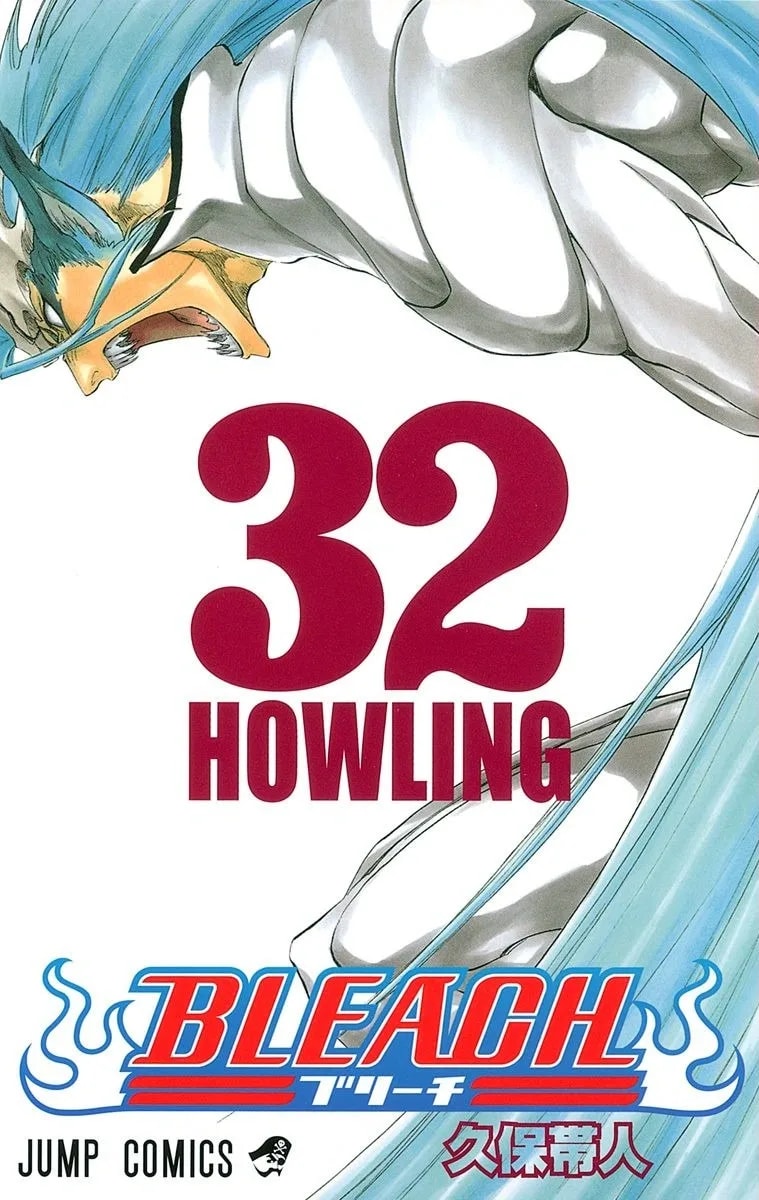
A bonus story tucked into the thirty-second volume, this chapter rewinds to Tōshirō Hitsugaya's boyhood in Rukongai, where a chilling voice haunting his dreams, a friend leaving for school, and a pushy stranger named Rangiku set him on the road to becoming a Shinigami.
Summary
Long before he wears a captain's haori, Hitsugaya lives in the Junrinan district with his ailing grandmother, unsettled by recurring dreams of a frozen plain and a thunderous voice he cannot place. His friend Momo Hinamori departs for the Shin'ō Academy, and the boy shrugs off the parting even as neighbors keep their distance, wary of his silver hair and cold manner. Years drift past, his grandmother grows frail, and a chance run-in at a candy shop introduces him to the boisterous Rangiku Matsumoto. When his sleeping spiritual pressure begins to freeze his grandmother, Rangiku warns that his untrained power will kill her and urges him to enroll and trace its source. That night he finally glimpses Hyōrinmaru, the spirit behind the voice. Resolved to shield the only family who never feared him, Hitsugaya announces he will enter the Academy.
Key Events
Hitsugaya's dreams of the icy field and its rumbling voice foreshadow his Zanpakutō. Hinamori leaves for the Shin'ō Academy while he stays behind. Rangiku confronts him at the sweets shop and later finds his grandmother encased in ice. Warned that his power endangers her, Hitsugaya first meets Hyōrinmaru in a dream and resolves to become a Shinigami.
Notes
Written by Tite Kubo around the release of the fourth film and printed as an extra at the back of Volume 32 (HOWLING), the piece offers an alternate glimpse of Hitsugaya's origins. Kubo has said it loosely ties to the movie without featuring its original character Kusaka. The material later surfaces in Episode 239 as flashback. Its cast includes Hitsugaya, Hinamori, Rangiku, and the ice spirit Hyōrinmaru.
Related Reading
See all
The Bleach Female Characters Nobody Can Agree On, Settled
Five Bleach female characters, ranked and settled. Yoruichi sits at number five, the spot nobody expects, and our number one is an Arrancar with a soft heart....
Super Saiyan Pubes: The Song About Where Super Saiyan Hair Actually Goes
The transformation everyone knows, the follow-up question nobody would touch. Why we made a smooth R&B track about the golden glow Dragon Ball never talks about....
Frequently Asked Questions
What is the Bleach chapter Death on the Ice Field about?
Death on the Ice Field is a bonus story that rewinds to Toshiro Hitsugaya's boyhood in Rukongai, where haunting dreams of a frozen plain, his friend Momo Hinamori leaving for school, and a pushy stranger named Rangiku set him on the path to becoming a Shinigami.
How did Hitsugaya decide to become a Shinigami?
In Death on the Ice Field, Hitsugaya's untrained spiritual pressure begins to freeze his ailing grandmother, and Rangiku Matsumoto warns his power will kill her unless he enrolls at the Academy and traces its source, prompting him to enter to protect the only family who never feared him.
When does Hitsugaya first meet Hyorinmaru?
In Death on the Ice Field, Hitsugaya finally glimpses Hyorinmaru, the spirit behind the thunderous voice in his dreams, on the night he resolves to become a Shinigami.
Is Death on the Ice Field connected to a Bleach movie?
Yes; Tite Kubo wrote Death on the Ice Field around the release of the fourth film and printed it as an extra at the back of Volume 32 HOWLING, and he has said it loosely ties to the movie without featuring its original character Kusaka.
Was Death on the Ice Field adapted into the anime?
Death on the Ice Field later surfaces in Episode 239 as a flashback, and its cast includes Hitsugaya, Momo Hinamori, Rangiku Matsumoto, and the ice spirit Hyorinmaru.
Sources & Information
Looking for more on Death on the Ice Field? The Bleach Wiki on Fandom has a dedicated page with community notes.
View on FandomThis content is original writing by Daddy Jim Headquarters based on the Bleach anime series, manga, and official materials. Episode and chapter references are cited where applicable.
Character and scene imagery on this site is original artwork by Daddy Jim Headquarters, not screenshots or licensed imagery. Official cover art is used on three types of pages for editorial commentary:
- Movie pages: theatrical posters and key visuals, credited to Studio Pierrot and the production committee.
- Game pages: official box art for the Bleach console and mobile games, credited to Bandai Namco and other publishers.
- Manga chapter pages: Jump Comics volume covers, credited to Shueisha and Tite Kubo.
Official resources:
Help Us Keep This Wiki Accurate
Daddy Jim Headquarters maintains this encyclopedia. If you spot an error, a translation issue, or something that doesn't look right, let us know.