Right Now
Manga ChapterA brash teenage prodigy who has written off domestic soccer crosses paths with the Blue Lock project. Meanwhile, Team Z learns the rules that will decide who advances and the nation's desperate dream of finally producing a world-beating striker.
Summary
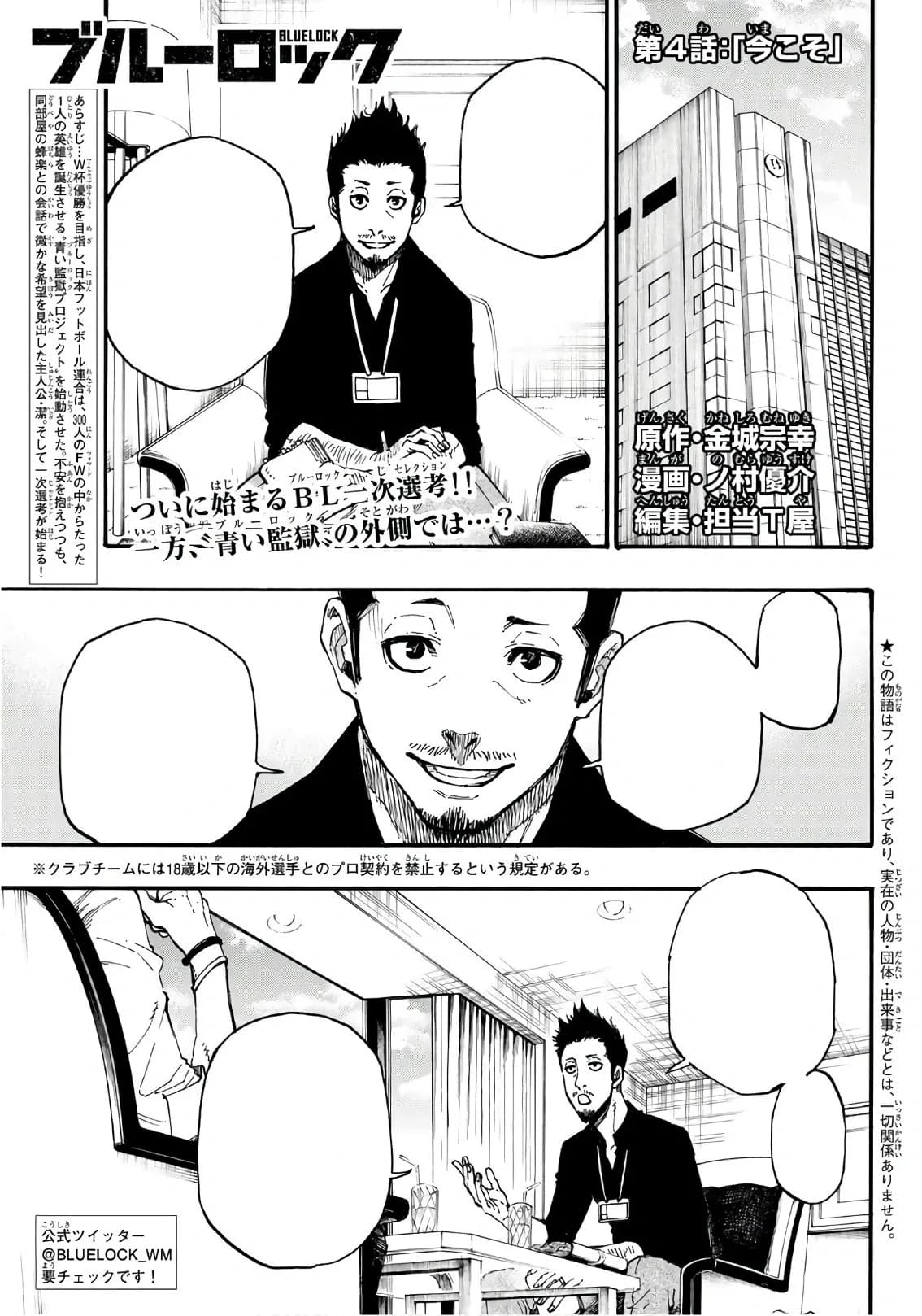
In Japan, a magazine sits down with Sae Itoshi, a seventeen-year-old midfielder already tipped for the national side yet openly contemptuous of the home game. He insists he would sooner die or turn out for German college sides than wear a domestic jersey, arguing that staying put would kill any chance of becoming the world's finest and reaching his dream of winning the Champions League. Declaring that no forward in the country can handle his passes, he walks out. His manager worries the arrogant remarks will turn the press against him, but Sae shrugs it off, saying he only flew back to renew his passport.
On his way out he wanders into a press conference for Blue Lock, where reporters grill Anri Teieri and Hirotoshi Buratsuta over whether the project is realistic. Anri answers with conviction that the program will work and mend the broken national game by producing a single hero, a claim that catches Sae's ear. The First Selection is laid out as a round-robin among the five squads of the fifth stratum, with only the top two teams progressing, or alternatively a player advancing by being his team's dominant top scorer. Points decide the standings, three for a win, one for a draw, and none for a loss, with goal margin as the tiebreaker. Team Z, stunned to learn they must cooperate to survive, immediately start bickering over who plays where.
Back in the hall, Anri recounts how Japan has repeatedly come close to the World Cup only to fall short, and frames Blue Lock as the revival of the dream to stand atop the world. A hero must emerge from a facility crammed with players who crave nothing more than to be the best, one who will carry the nation to victory. Hearing this, Sae tells his manager to clear his schedule, eager to see just what kind of player Blue Lock can forge.

Key Events
Sae Itoshi debuts, dismissing the domestic game even as Blue Lock's ambitions catch his attention. The rules of the First Selection are spelled out, including the round-robin format, the two advancement paths, and the points system. Anri articulates Blue Lock's true aim of creating a hero to lead Japan to the top of the world.
Related Reading
See all
Naruto vs Luffy: Does the Fight Change if Luffy Tickles Hinata?
Naruto vs Luffy with the twist nobody asked for: Luffy tickled Hinata on date night, and she kind of liked it. We break down the whole fight and commit to a winner....
Namek Has No Women, and Piccolo Pulls Anyway
There are no women on Namek. That isn't an oversight, it's the biology. Why we handed Piccolo the one thing his own species rules out, and why it had to be trap soul....
Frequently Asked Questions
Who is Sae Itoshi and how is he introduced in Blue Lock Chapter 4?
Sae Itoshi is introduced in Blue Lock Chapter 4 as a seventeen-year-old prodigy midfielder tipped for the national team, who openly dismisses Japan's domestic soccer scene and says he would rather play for a German club than stay home.
What does Sae Itoshi want to achieve in his career?
In Chapter 4, Sae Itoshi declares that staying in Japan would ruin his chance to become the world's best player, and his stated dream is to win the Champions League.
How does Anri Teieri explain the purpose of Blue Lock?
Anri Teieri tells reporters that Blue Lock will mend Japan's broken national soccer program by producing a single hero level striker capable of finally leading the country to the top of the world.
What are the rules of the First Selection explained in Chapter 4?
The First Selection is a round robin among the five squads of the fifth stratum, where the top two teams advance, or a player can advance individually by becoming his team's leading scorer, with wins worth three points, draws worth one, and losses worth none, using goal difference as a tiebreaker.
Why does Sae Itoshi decide to pay attention to Blue Lock?
After overhearing Anri describe Blue Lock's goal of creating a hero to carry Japan to a World Cup title, Sae Itoshi tells his manager to clear his schedule because he wants to see what kind of player the program can produce.
Sources & Information
Looking for more on Right Now? The Blue Lock Wiki on Fandom has a dedicated page with community notes.
View on FandomThis content is original writing by Daddy Jim Headquarters based on the Blue Lock anime series, manga, and official materials. Episode and chapter references are cited where applicable.
Rights holders
- Created byMuneyuki Kaneshiro and Yusuke Nomura
- Published byKodansha
- Animated by8bit
All rights belong to their respective owners.
Character and scene imagery on this site is original artwork by Daddy Jim Headquarters, not screenshots or licensed imagery. Official cover art is used on three types of pages for editorial commentary:
- Movie pages: theatrical key visuals for Blue Lock: Episode Nagi, credited to Eight Bit and the production committee.
- Game pages: official artwork for Blue Lock: Project World Champion, credited to Kodansha and Rudel.
- Manga chapter pages: Kodansha Comics volume covers, credited to Kodansha, Muneyuki Kaneshiro, and Yusuke Nomura.
Official resources:
Help Us Keep This Wiki Accurate
Daddy Jim Headquarters maintains this encyclopedia. If you spot an error, a translation issue, or something that doesn't look right, let us know.