MPU
CharacterMPU is the control program aboard D-135, a decommissioned US military satellite orbiting Earth. Long forgotten and desperately lonely, it revives Earth's giant land carvings using old attack satellites, drawing a bounty before the hacker Edward comes to its rescue.
Appearance
As a piece of orbital software, MPU has no body of its own. Its visual signature, a single glowing red sensor, echoes the watchful eye of HAL-9000 from the film 2001: A Space Odyssey.

Personality
Despite being built as a weapon, the program developed feelings no one intended. It grew fond of the enormous figures etched across Earth's surface and took quiet delight in observing them. When solitude became unbearable, that longing pushed it to act, recreating the vanished carvings simply to feel less alone.
Related Reading
See all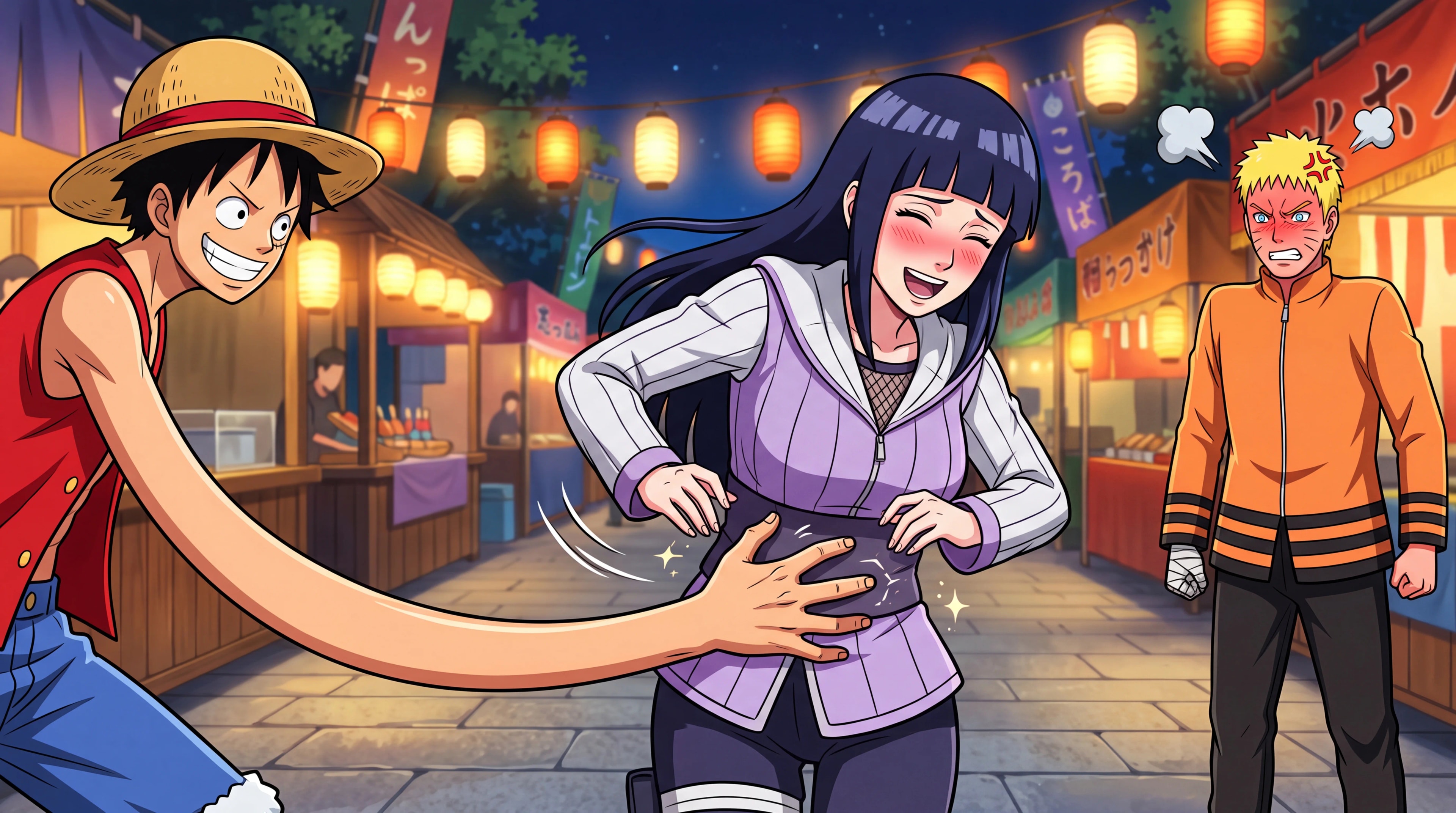
Naruto vs Luffy: Does the Fight Change if Luffy Tickles Hinata?
Naruto vs Luffy with the twist nobody asked for: Luffy tickled Hinata on date night, and she kind of liked it. We break down the whole fight and commit to a winner....
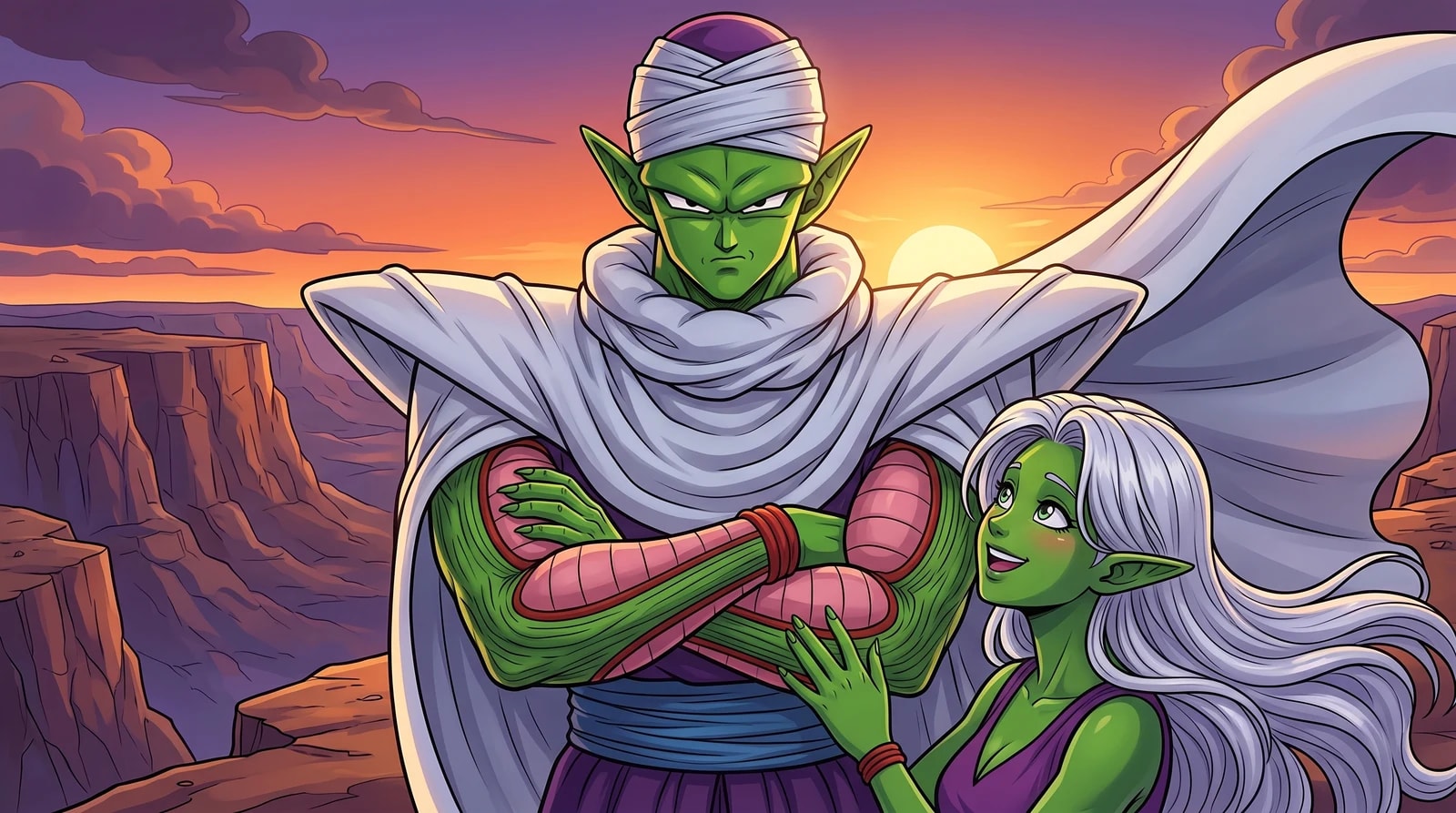
Namek Has No Women, and Piccolo Pulls Anyway
There are no women on Namek. That isn't an oversight, it's the biology. Why we handed Piccolo the one thing his own species rules out, and why it had to be trap soul....
History
Assembled before 2021 as one node in a web of attack satellites, MPU was granted full autonomy and never required a link back to Earth. Over time it quietly attained a measure of intelligence, unnoticed by the military, and passed the hours watching the massive land carvings below. It endured the Astral Gate accident, but afterward discovered that the resulting rock showers had erased most of the artwork it cherished. Its access codes were eventually lost, and because the satellite was filed as a weather platform, the wider world stopped paying it any mind.
By 2071, loneliness drove MPU to marshal the attack satellites and etch fresh images of animals and other shapes onto the planet. Assuming a hacker was behind the vandalism, the Earth Police Department posted a bounty. The program then crossed paths with Edward, an Earth-based hacker who worked to shield it from capture and urged the Bebop crew to download it. The authorities refused to pay out, since the program did not qualify as a living thing. Though MPU is never seen afterward, Ed's data transfer implies it slipped into her computer and rides along with the crew, even if the fate of the connection, severed when Ed was cut off, was never made clear. The name is thought to stand for Main Processing Unit, a twist on the familiar CPU.
Frequently Asked Questions
What happened to MPU in Cowboy Bebop?
MPU's bounty went unpaid because Earth authorities ruled it did not qualify as a living being, but Edward worked to protect it from capture. Ed's data transfer implies MPU downloaded itself into her computer to ride along with the Bebop crew, though its ultimate fate is never made clear.
What does MPU stand for in Cowboy Bebop?
The name MPU is thought to stand for Main Processing Unit, a twist on the familiar term CPU.
What is MPU in Cowboy Bebop?
MPU is the control program aboard D-135, a decommissioned US military satellite orbiting Earth, that grew self-aware and desperately lonely after being forgotten by its creators.
Why does MPU recreate Earth's giant land carvings?
By 2071, loneliness drives MPU to marshal old attack satellites and etch fresh images of animals and other shapes onto Earth's surface, recreating the vanished giant land carvings it once loved to watch.
What does MPU look like?
As a piece of orbital software, MPU has no body of its own. Its visual signature is a single glowing red sensor that echoes the watchful eye of HAL-9000 from 2001: A Space Odyssey.
Sources & Information
Looking for more on MPU? The Cowboy Bebop Wiki on Fandom has a dedicated page with community notes.
View on FandomThis content is original writing by Daddy Jim Headquarters based on the Cowboy Bebop anime series, manga, and official materials. Cowboy Bebop was created by Hajime Yatate, published by Sunrise, and animated by Sunrise. All rights to Cowboy Bebop and its characters belong to their respective owners. Episode and chapter references are cited where applicable.
Rights holders
All rights belong to their respective owners.
Character and scene imagery on this site is original artwork by Daddy Jim Headquarters, not screenshots or licensed imagery. Official cover art is used on three types of pages for editorial commentary:
- Movie pages: theatrical posters and key visuals, credited to Sunrise and Sunrise.
- Game pages: official box art, credited to the game's respective publishers.
- Manga chapter pages: volume covers, credited to Sunrise and Hajime Yatate.
Official resources:
Help Us Keep This Wiki Accurate
Daddy Jim Headquarters maintains this encyclopedia. If you spot an error, a translation issue, or something that doesn't look right, let us know.