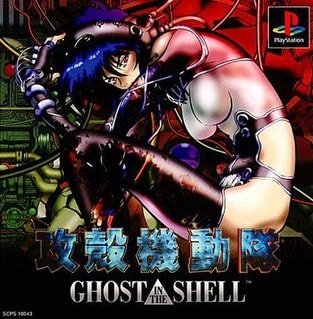
Ghost in the Shell is a 1997 PlayStation action game from Exact, based on Masamune Shirow's cyberpunk manga. A Section 9 rookie pilots a wall-climbing Fuchikoma tank through twelve missions, hunting a terrorist cell that stole a corporate weapons cache.
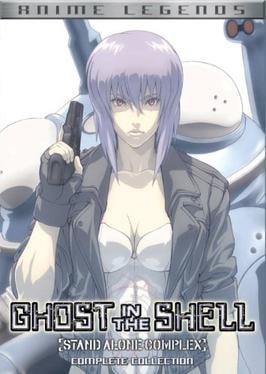
Ghost in the Shell: Stand Alone Complex is a 2004 PlayStation 2 shooter from Cavia set in the anime's 2030 timeline. Players alternate between Motoko Kusanagi and Batou as Section 9 unravels a black market arms case tied to a secret rice-smuggling operation.
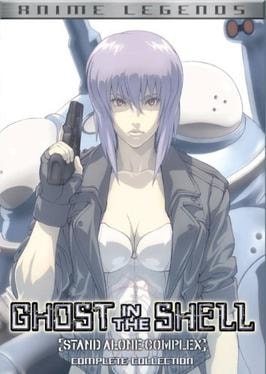
Ghost in the Shell: S.A.C. Cyber Mission is a 2011 free-to-play mobile title published by GREE for Japanese feature phones. It works as a browser-based social game built around the Stand Alone Complex setting rather than a traditional story-driven title.
Ghost in the Shell: Stand Alone Complex is a 2012 pachislot machine manufactured by Sammy for Japanese pachinko parlors. It wraps a standard slot format in Stand Alone Complex footage and characters rather than offering an original story.
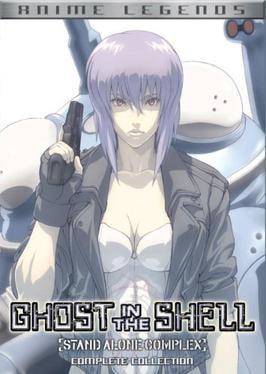
Ghost in the Shell: S.A.C. Tachikoma Wars! is a 2012 Japan-only mobile game on DeNA's Mobage platform. It turns the anime's signature spider tanks into collectible, upgradeable fighters in a lightweight battler built for phone browsers.

Ghost in the Shell: Stand Alone Complex - First Assault Online is a 2015 free-to-play tactical shooter developed by Neople and published by Nexon for Windows. Squads of cyborg operatives fight in short PvP matches inside the Stand Alone Complex universe.
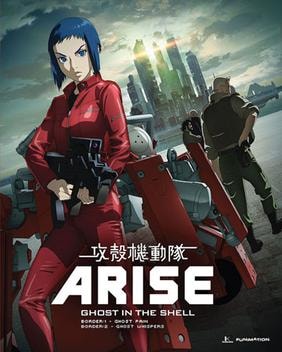
Ghost in the Shell Arise: Stealth Hounds is a 2017 location-based VR shooter built by Bandai Namco for its VR Zone Shinjuku arcade in Tokyo. Eight players in full-body tracking gear fight four-on-four battles inspired by the Arise film continuity.
Sources & Information
This content is original writing by Daddy Jim Headquarters based on the Dragon Ball anime series, manga, and official materials. Episode and chapter references are cited where applicable.
Character and scene imagery on this site is original artwork by Daddy Jim Headquarters, not screenshots or licensed imagery. Official cover art is used on three types of pages for editorial commentary:
- Movie pages: theatrical posters and key visuals, credited to Toei Animation and Shueisha.
- Game pages: official box art, credited to Bandai Namco, Atari, and other publishers.
- Manga chapter pages: Jump Comics volume covers, credited to Shueisha and Akira Toriyama.
Official resources:

Help Us Keep This Wiki Accurate
Daddy Jim Headquarters maintains this encyclopedia. If you spot an error, a translation issue, or something that doesn't look right, let us know.
