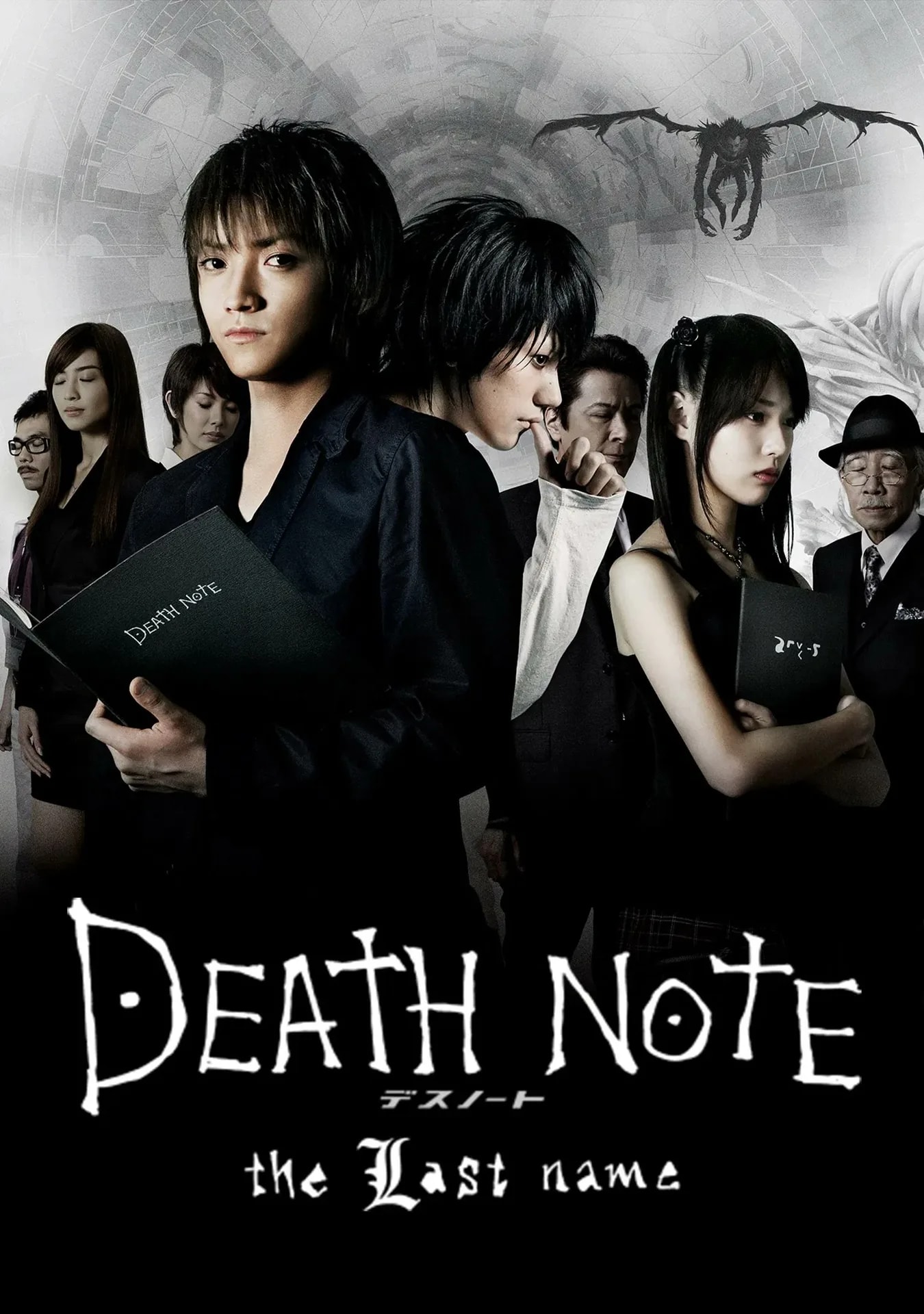
Death Note: The Last Name
MovieDeath Note: The Last Name, the second live-action feature in the Japanese series, reached Japan on November 3, 2006. Continuing straight from the first film with no time gap, it carries the duel between Light Yagami and L to its end, reworking the manga's later arc while reaching a comparable finish.
Overview
Picking up immediately after the debut feature, this Shusuke Kaneko entry resolves the contest between Light and L within a single timeline. Rather than transplanting the manga's full cast, the adaptation drops the later successors Near and Mello entirely, keeping the focus squarely on the original rivalry even as it steers toward an ending that echoes the source. Tetsuya Oishi shared writing duties with Kaneko, Kenji Kawai supplied the score, and Warner Bros. handled the Japanese release. The film sits between the spin-off L: Change the WorLd and, much later, the sequel Light Up the NEW World, which reopened the franchise in 2016.


Plot
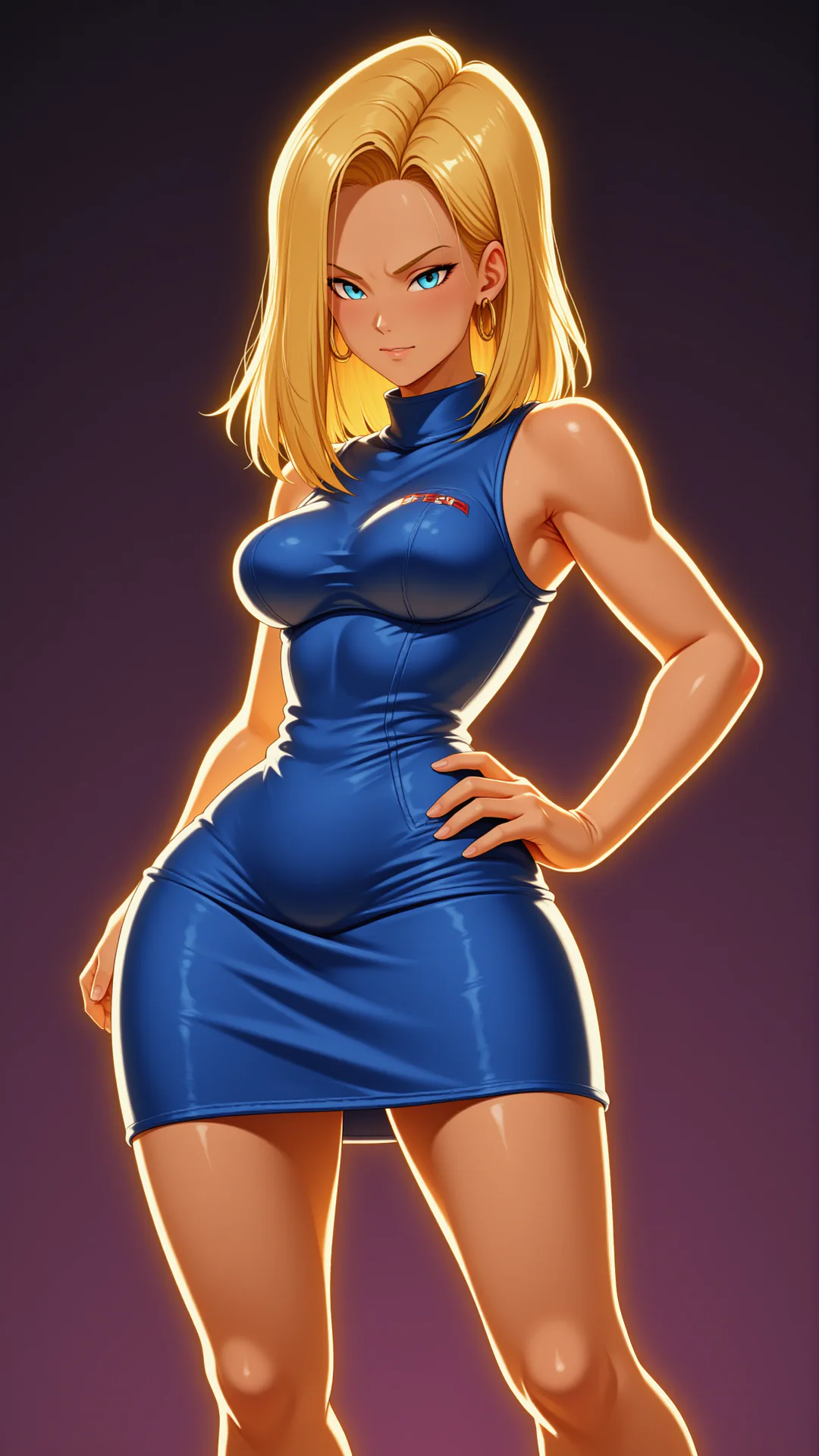
The story resumes with Light mourning the girlfriend he secretly killed, using her funeral to feign hatred for Kira and talk his way onto the investigation, where L promptly admits him. Misa Amane, wielding the eyes of a shinigami, murders Kanzo Mogi and two officers at Sakura TV to draw Kira's notice, and when she spots Light without a visible lifespan, she recognizes him as the killer. She locates his address online and appears at his home with the death god Rem and her own notebook, offering her help; through Rem's narration, the slaughter of her family and Kira's role in avenging them explains her devotion. To prove herself, she presses her book on Light.
After Misa's arrest and interrogation, Rem pressures Light into a rescue, so he surrenders to L, enters confinement, and relinquishes his buried notebook. Rem passes Misa's book to the broadcaster Kiyomi Takada, who kills as a new Kira until police corner her. Light murders Takada to reclaim ownership and has Misa recover the hidden notebook. Suspicious of the thirteen-day rule, L dispatches the task force to test the book through the FBI, and Rem is forced to kill both L and Watari, then dies and burns her notebook to keep it from Light.
Light maneuvers his father into surrendering the remaining book, only to find himself surrounded. L appears alive, having written his own name to die three weeks later and swapped in a counterfeit notebook while the team watched Light expose himself as Kira. His attempt to murder the task force with a concealed scrap fails, and he begs Ryuk to kill them; instead, Ryuk records Light's name, warning that notebook users forfeit any afterlife. Light dies pleading his case to his father. Weeks afterward L passes away gazing at a photo of Watari, and a year on, with Misa once more stripped of her memories, Ryuk circles Tokyo Tower.
Reception
The feature opened on November 3, 2006, immediately claimed the top of the Japanese box office, and held first place for four straight weeks, ultimately grossing 5.5 billion yen to rank among that year's highest-earning domestic releases. Writing for The Star, Christy Lee credited Kaneko with strong pacing, though she felt the brisk final stretch muddied some details, and praised Oishi's screenplay for fleshing out characters audiences could readily empathize with.
Related Reading
See all
Super Saiyan Pubes: The Song About Where Super Saiyan Hair Actually Goes
The transformation everyone knows, the follow-up question nobody would touch. Why we made a smooth R&B track about the golden glow Dragon Ball never talks about....

The Bleach Female Characters Nobody Can Agree On, Settled
Five Bleach female characters, ranked and settled. Yoruichi sits at number five, the spot nobody expects, and our number one is an Arrancar with a soft heart....
Frequently Asked Questions
What happens in Death Note: The Last Name?
Death Note: The Last Name continues straight from the first film with no time gap and carries the duel between Light Yagami and L to its conclusion. Light maneuvers his way onto the Kira investigation and Misa Amane joins him as a second Kira, but L ultimately exposes Light as Kira, and Ryuk writes Light's name in the notebook to end his life.
When was Death Note: The Last Name released?
Death Note: The Last Name reached Japanese theaters on November 3, 2006, distributed by Warner Bros. Japan. It is the second live-action feature in the Japanese series.
Who directed Death Note: The Last Name?
Death Note: The Last Name was directed by Shusuke Kaneko, who shared writing duties with Tetsuya Oishi, while Kenji Kawai supplied the score.
How does Death Note: The Last Name differ from the manga?
Death Note: The Last Name reworks the manga's later arc but drops the successors Near and Mello entirely, keeping the focus squarely on the original Light versus L rivalry even as it steers toward an ending that echoes the source.
How did Death Note: The Last Name perform at the box office?
Death Note: The Last Name immediately claimed the top of the Japanese box office and held first place for four straight weeks, ultimately grossing 5.5 billion yen to rank among that year's highest-earning domestic releases.
Sources & Information
Looking for more on Death Note: The Last Name? The Death Note Wiki on Fandom has a dedicated page with community notes.
View on FandomThis content is original writing by Daddy Jim Headquarters based on the Death Note anime series, manga, and official materials. Episode and chapter references are cited where applicable.
Character and scene imagery on this site is original artwork by Daddy Jim Headquarters, not screenshots or licensed imagery. Official cover art is used on three types of pages for editorial commentary:
- Movie pages: theatrical posters and key visuals, credited to Nippon Television and Warner Bros. Japan.
- Game pages: official box art, credited to Konami and other publishers.
- Manga chapter pages: Jump Comics volume covers, credited to Shueisha, Tsugumi Ohba, and Takeshi Obata.
Official resources:
Help Us Keep This Wiki Accurate
Daddy Jim Headquarters maintains this encyclopedia. If you spot an error, a translation issue, or something that doesn't look right, let us know.