Akeno Tsugikuni
CharacterAkeno Tsugikuni is the mother of the twin brothers Michikatsu and Yoriichi Tsugikuni. Living in the Sengoku period, she crafted the hanafuda earrings that eventually reach Tanjiro Kamado generations later.
Appearance
Akeno is a small, slender woman with fair skin and long black hair that falls to her waist. The hair is parted at the front and tied near the base of her back, with two shorter strands framing her eyes.
She dresses in a magenta kimono worn over a white juban. Layered above this is a flowing set of formal robes that may draw on the courtly junihitoe style, decorated with overlapping pale crescent moons and dotted patterns. The garments trail well past her bare feet along the ground.
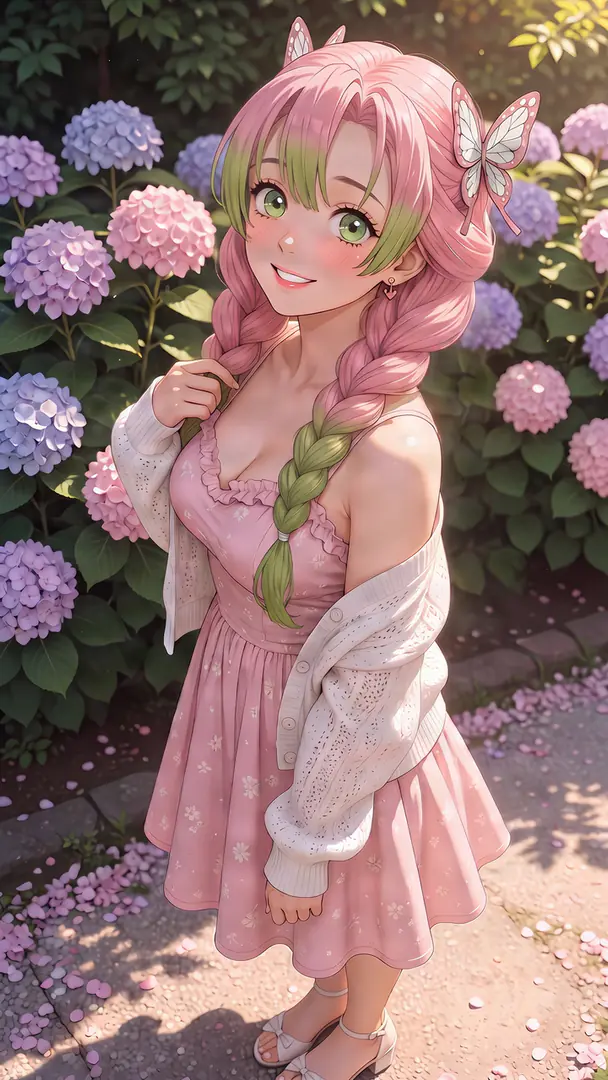
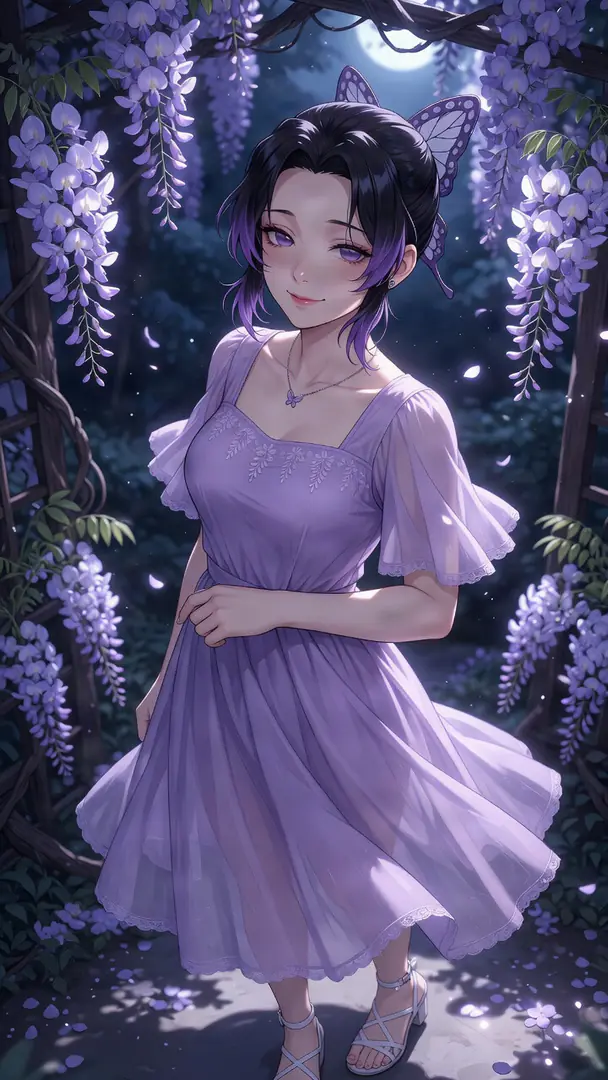

Personality
Akeno is portrayed as devout and gentle, praying daily to the sun deity that calamity might spare the world while worrying constantly over her two sons. Those around her describe her as calm, soft-spoken, and almost doll-like in her stillness.
Beneath that quiet exterior lies a fierce protectiveness toward her children. She confronts her husband furiously when he considers killing the newborn Yoriichi, requiring servants to restrain her. Despite her own failing health, she accepts her son's help without protest, letting young Yoriichi support her weakened side as she walks.
History
Akeno lives during Japan's Sengoku period, roughly five centuries before the Taisho era. She gives birth to twin boys at a time when twins are seen as an ill omen, and the younger child carries a large strange mark on his head. Her husband proposes killing the infant, but Akeno's outrage forces him to relent, and he agrees the boy will enter the temples when older. The elder twin becomes Michikatsu and the younger becomes Yoriichi.
Her husband's coldness toward Yoriichi sparks constant friction in the household, while Akeno also wrestles with an illness that gradually spreads through her body. Yoriichi, whose mark lets him perceive her sickness, quietly supports her, a kindness that breeds resentment in Michikatsu. Because Yoriichi rarely speaks, Akeno fashions hanafuda charm earrings for him and prays for his deafness to be cured. She records her thoughts in a diary until the illness claims her life, leaving a final wish that her family live together happily.
Related Reading
See all
Demon Slayer Infinity Castle Is the Biggest Anime Movie Ever but It Still Lost in Japan
Demon Slayer: Infinity Castle earned $778 million globally and nearly 40 billion yen in Japan, but it still couldn't top Mugen Train's domestic record. Here's why that barely matters....
Super Saiyan Pubes: The Song About Where Super Saiyan Hair Actually Goes
The transformation everyone knows, the follow-up question nobody would touch. Why we made a smooth R&B track about the golden glow Dragon Ball never talks about....

Frequently Asked Questions
Who is Akeno Tsugikuni in Demon Slayer?
Akeno Tsugikuni is the mother of the twin brothers Michikatsu and Yoriichi Tsugikuni in Demon Slayer. Living during Japan's Sengoku period, she crafted the hanafuda earrings that eventually reach Tanjiro Kamado generations later.
Who is Yoriichi's mother?
Yoriichi's mother is Akeno Tsugikuni, who gave birth to him and his twin Michikatsu during the Sengoku period. She made him hanafuda charm earrings and prayed that his deafness might be cured.
Did Akeno Tsugikuni love her son Yoriichi?
Yes, Akeno Tsugikuni was fiercely protective of Yoriichi. When her husband proposed killing the newborn boy because of a strange mark on his head, she confronted him furiously and had to be restrained by servants, forcing him to relent.
How did Akeno Tsugikuni die?
Akeno Tsugikuni died from an illness that gradually spread through her body. She recorded her thoughts in a diary until the illness claimed her life, leaving a final wish that her family live together happily.
What did Akeno Tsugikuni's husband want to do with baby Yoriichi?
Akeno Tsugikuni's husband proposed killing the infant Yoriichi because twins were seen as an ill omen and the boy carried a large strange mark on his head. After Akeno's outrage forced him to relent, he agreed the boy would enter the temples when older.
Sources & Information
Looking for more on Akeno Tsugikuni? The Demon Slayer Wiki on Fandom has a dedicated page with community notes.
View on FandomThis content is original writing by Daddy Jim Headquarters based on the Demon Slayer anime series, manga, and official materials. Episode and chapter references are cited where applicable.
Character and scene imagery on this site is original artwork by Daddy Jim Headquarters, not screenshots or licensed imagery. Official cover art is used on three types of pages for editorial commentary:
- Movie pages: theatrical posters and key visuals, credited to ufotable and Aniplex.
- Game pages: official box art, credited to Sega, Aniplex, and other publishers.
- Manga chapter pages: Jump Comics volume covers, credited to Shueisha and Koyoharu Gotouge.
Official resources:
Help Us Keep This Wiki Accurate
Daddy Jim Headquarters maintains this encyclopedia. If you spot an error, a translation issue, or something that doesn't look right, let us know.