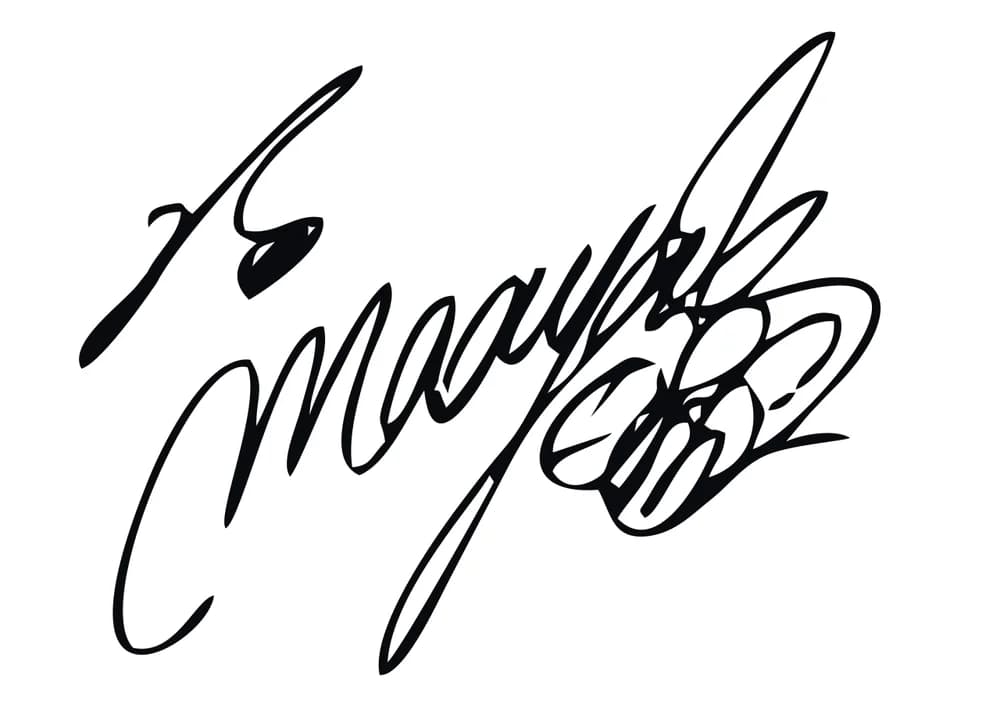
Maaya Sakamoto
Voice ActorMaaya Sakamoto is a Japanese actress and singer who voices the demon Tamayo in "Demon Slayer: Kimetsu no Yaiba" (studio Ufotable). She is widely known as the voice of Hitomi Kanzaki in The Vision of Escaflowne.
Demon Slayer Role
In "Demon Slayer: Kimetsu no Yaiba" (studio Ufotable), Sakamoto provides the Japanese voice of Tamayo, a demon who allies herself with the protagonists. The part adds to an unusually broad résumé of anime performances she has built since the early 1990s, when she first stepped behind the microphone. By the time she joined the production she was already among the most recognized voices in the medium, having lent her talents to leading and supporting characters across dozens of series, including Haruhi Fujioka in Ouran High School Host Club, Ciel Phantomhive in Black Butler, Shinobu Oshino in the Monogatari franchise, Merlin in The Seven Deadly Sins, and Echidna in Re:Zero. Tamayo therefore sits within a career defined by range, from heroic figures to morally complex roles such as the demon she portrays here.

Career and Notable Roles
Sakamoto made her voice acting debut in 1992 as Chifuru in Little Twins, then earned wider attention as Hitomi Kanzaki in The Vision of Escaflowne. Her later anime credits span a remarkable spread of titles, among them Leila Malcal in Code Geass: Akito the Exiled, Jeanne d'Arc in Fate/Apocrypha, Shiki Ryōgi in The Garden of Sinners, Eto in Tokyo Ghoul, Princess Tomoyo in Tsubasa: Reservoir Chronicle, Lunamaria Hawke in Mobile Suit Gundam SEED Destiny, Motoko Kusanagi in Ghost in the Shell: Arise, and Quinella in the third season of Sword Art Online. She is also a prolific dubbing artist for the Japanese versions of foreign films, voicing Padmé Amidala throughout the Star Wars saga and serving as the regular dub voice for actress Natalie Portman. In video games she has played Aerith Gainsborough in the Compilation of Final Fantasy VII, Aigis in Persona 3, Lightning in the Final Fantasy XIII titles, Ling Xiaoyu in Tekken, and Maki Harukawa in Danganronpa V3.
Related Reading
See all
Demon Slayer Infinity Castle Is the Biggest Anime Movie Ever but It Still Lost in Japan
Demon Slayer: Infinity Castle earned $778 million globally and nearly 40 billion yen in Japan, but it still couldn't top Mugen Train's domestic record. Here's why that barely matters....

Naruto vs Luffy: Does the Fight Change if Luffy Tickles Hinata?
Naruto vs Luffy with the twist nobody asked for: Luffy tickled Hinata on date night, and she kind of liked it. We break down the whole fight and commit to a winner....


Recognition and Other Work
Alongside her acting, Sakamoto has sustained a successful music career singing in both Japanese and English. She launched it with the single "Yakusoku wa Iranai" in collaboration with composer Yoko Kanno, released under Victor Entertainment on April 24, 1996. Several of her singles reached the top ten of the Oricon chart, including "Tune the Rainbow," "Loop," "Ame ga Furu," and "Triangler"; the last of these peaked at number three and stayed on the chart for twenty-six weeks. Her albums have fared comparably well, with Shōnen Alice and Yūnagi Loop both entering the top ten, while You Can't Catch Me, issued on January 12, 2011, became her first release to top the chart. She marked her thirtieth birthday with a concert at the Nippon Budokan.
Frequently Asked Questions
What anime characters are Maaya Sakamoto in?
She voices the demon Tamayo in Demon Slayer: Kimetsu no Yaiba, and is known for many roles including Hitomi Kanzaki in The Vision of Escaflowne, Haruhi Fujioka in Ouran High School Host Club, Ciel Phantomhive in Black Butler, and Echidna in Re:Zero.
Can Maaya Sakamoto speak English?
Sakamoto has sustained a successful music career singing in both Japanese and English. She has also worked extensively as a dubbing artist for the Japanese versions of foreign films.
Who does Maaya Sakamoto play in Demon Slayer: Kimetsu no Yaiba?
She provides the Japanese voice of Tamayo, a demon who allies herself with the protagonists, in the series produced by studio Ufotable.
When did Maaya Sakamoto begin voice acting?
She made her voice acting debut in 1992 as Chifuru in Little Twins, then earned wider attention as Hitomi Kanzaki in The Vision of Escaflowne.
Is Maaya Sakamoto a singer as well as a voice actor?
Yes, she launched her music career with the single Yakusoku wa Iranai in collaboration with composer Yoko Kanno in 1996, and several of her singles, including Triangler, reached the top ten of the Oricon chart.
Sources & Information
This content is original writing by Daddy Jim Headquarters based on the Demon Slayer anime series, manga, and official materials. Episode and chapter references are cited where applicable.
Rights holders
All rights belong to their respective owners.
Character and scene imagery on this site is original artwork by Daddy Jim Headquarters, not screenshots or licensed imagery. Official cover art is used on three types of pages for editorial commentary:
- Movie pages: theatrical posters and key visuals, credited to ufotable and Aniplex.
- Game pages: official box art, credited to Sega, Aniplex, and other publishers.
- Manga chapter pages: Jump Comics volume covers, credited to Shueisha and Koyoharu Gotouge.
Official resources:
Help Us Keep This Wiki Accurate
Daddy Jim Headquarters maintains this encyclopedia. If you spot an error, a translation issue, or something that doesn't look right, let us know.