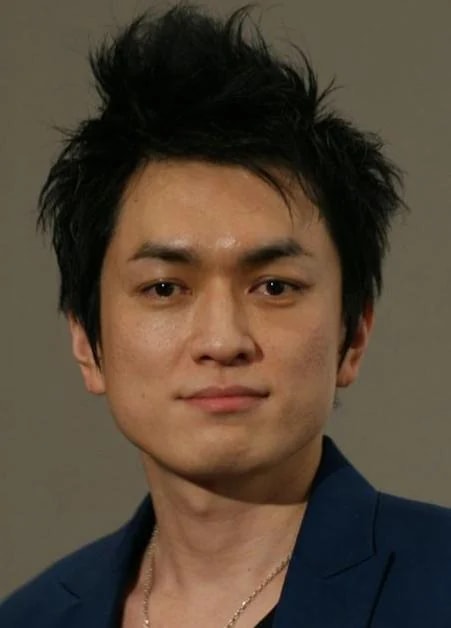
Go Shiina
MusicianGo Shiina is a Japanese composer known for video game and anime music who scored Demon Slayer: Kimetsu no Yaiba (studio Ufotable). He gained wide recognition for his 2005 score for Tales of Legendia.
Work on Demon Slayer
Shiina composed music for Demon Slayer: Kimetsu no Yaiba (studio Ufotable), which marked one of his earliest extensions from video game scoring into anime, following his work on the 2011 film Sakura no Ondo. His compositions are characterized by powerful, heavy orchestral textures, a sensibility that suited the series. The project became one of the most visible entries in a career that had previously centered on interactive media, broadening his audience beyond gaming and helping cement his reputation as a versatile screen composer working across both anime and games.


Career
Born Masaru Shiina on May 16, 1974, Shiina joined Namco in 1997 and built his early reputation writing music for franchises including Tales, Mr. Driller, and God Eater. His breakthrough arrived with the score for Tales of Legendia in 2005, after which he contributed to titles in the Tekken, Ace Combat, and The Idolmaster series. He left Bandai Namco Entertainment in 2017 to work as a freelancer, though he continued collaborating with the company on projects such as the God Eater series and other games including Code Vein.

Recognition and Other Work
Beyond his game and anime soundtracks, Shiina has composed and arranged songs for bands and other recording artists, applying the same strong, orchestral style that defines his screen work. His move to freelance status did not sever his long association with Bandai Namco, and he has remained an active presence across multiple high-profile franchises while taking on independent commissions.
Related Reading
See all
Demon Slayer Infinity Castle Is the Biggest Anime Movie Ever but It Still Lost in Japan
Demon Slayer: Infinity Castle earned $778 million globally and nearly 40 billion yen in Japan, but it still couldn't top Mugen Train's domestic record. Here's why that barely matters....

Super Saiyan Pubes: The Song About Where Super Saiyan Hair Actually Goes
The transformation everyone knows, the follow-up question nobody would touch. Why we made a smooth R&B track about the golden glow Dragon Ball never talks about....


Frequently Asked Questions
Who composed the OST for Kimetsu no Yaiba?
Japanese composer Go Shiina scored Demon Slayer: Kimetsu no Yaiba for studio Ufotable. The project marked one of his earliest extensions from video game scoring into anime.
Which anime has Go Shiina worked on?
Go Shiina scored Demon Slayer: Kimetsu no Yaiba (studio Ufotable), which followed his earlier work on the 2011 film Sakura no Ondo. Demon Slayer became one of the most visible entries in a career that had previously centered on video games.
What are Go Shiina's most famous songs?
Go Shiina's breakthrough came with his 2005 score for Tales of Legendia, which brought him wide recognition. He later became widely known for scoring Demon Slayer: Kimetsu no Yaiba.
Is Go Shiina still making music?
Yes. Shiina left Bandai Namco Entertainment in 2017 to work as a freelancer and has remained an active presence across multiple high-profile franchises while taking on independent commissions.
What style of music is Go Shiina known for on Demon Slayer?
Shiina's compositions are characterized by powerful, heavy orchestral textures, a sensibility that suited Demon Slayer: Kimetsu no Yaiba. This strong orchestral style also defines his game and recording work.
Sources & Information
This content is original writing by Daddy Jim Headquarters based on the Demon Slayer anime series, manga, and official materials. Episode and chapter references are cited where applicable.
Character and scene imagery on this site is original artwork by Daddy Jim Headquarters, not screenshots or licensed imagery. Official cover art is used on three types of pages for editorial commentary:
- Movie pages: theatrical posters and key visuals, credited to ufotable and Aniplex.
- Game pages: official box art, credited to Sega, Aniplex, and other publishers.
- Manga chapter pages: Jump Comics volume covers, credited to Shueisha and Koyoharu Gotouge.
Official resources:
Help Us Keep This Wiki Accurate
Daddy Jim Headquarters maintains this encyclopedia. If you spot an error, a translation issue, or something that doesn't look right, let us know.