United Nations
CharacterIn the Evangelion franchise, the United Nations transforms from a real-world diplomatic body into a militarized global command after Second Impact. It charters NERV to fight the Angels while SEELE secretly pulls its strings, and in the Rebuild continuity the organization eventually dissolves altogether.
Overview
The United Nations exists in the Evangelion universe much as it does in reality: an international body, founded on October 24, 1945, meant to keep relations between nations stable. Its habit of chartering and funding specialized agencies to tackle global crises makes it the parent of several organizations central to the franchise.
Second Impact changes its character completely. The ecological collapse and political chaos that follow push the UN through internal restructuring into open militarization, with forces deployed worldwide and the armies of the Western bloc and the Eastern bloc folded under its direct authority. Amid this reshuffle, NERV is chartered as a special agency tasked with stopping the approaching Angels, while the Human Instrumentality Committee, a front for SEELE, nominally supervises it. In truth that oversight barely extends past budgets, since the supposed overseers are a hidden cabal steering the UN and the wider world from behind the curtain.
Role
In Neon Genesis Evangelion, the UN bankrolls Project-E through the 2000s and early 2010s with effectively bottomless resources. A newspaper dated 2002 announces a plan to relocate its headquarters from New York to Tokyo-2 within five years, placing the move around 2007. When Sachiel strikes Tokyo-3 in 2014, UN-marked Type-74 tanks meet the Angel first; after conventional arms accomplish nothing, the Japanese Strategic Self Defense Force cedes command to NERV, and Evangelion Unit-01 launches for the first time.
The UN Pacific Fleet later ferries Evangelion Unit-02 and Asuka Langley Sohryu from Germany to Japan. Its commander, bitter that a once-proud navy now plays courier for NERV, refuses to sign the unit over until the convoy reaches Japan. The escort mission hides its real cargo, the embryonic Adam; Unit-02 rides along as insurance and camouflage. The Angel Gaghiel attacks the convoy hunting for Adam, forcing an unauthorized sortie by Unit-02, and by the battle's end a third of the Pacific fleet lies at the bottom of the sea.
The Rebuild of Evangelion films add the Vatican Treaty, a pact capping every nation at three active Evangelion units out of fear that any single state could field an unbeatable army; the IPEA exists to enforce it, empowered to seize units from violators. After Third Impact leaves too few functioning nations, the UN simply ceases to exist, and with the treaty toothless, NERV begins mass-producing Evangelions as a weaponized force, a violation noted during the Paris Assault Mission. In Neon Genesis Evangelion: ANIMA, Kōzō Fuyutsuki describes a UN split by an internal power struggle between two divisions; the faction with influence over national militaries answers the crisis by carving NERV into separate branches in the name of restoring order.


Notable Members
The UN's most consequential creations are NERV, its Angel-fighting special agency, and the Human Instrumentality Committee through which SEELE maintains its facade of oversight. The Japanese Strategic Self Defense Force operates alongside it during early Angel engagements, and in the Rebuild continuity the IPEA acts as its treaty enforcement arm.
Its conventional arsenal in the original series is extensive. In the air it fields Mi-2 transport helicopters, Su-33 Flanker-D fighters, and Yak-38 VTOL jets; on land, Type-74 Nana-yon tanks. Its navies include Iowa-class battleships, Hatsuyuki-class destroyers, the Novorossiysk of the Kiev carrier class, an Admiral Kuznetsov-class carrier, a Kirov-class battlecruiser, frigates of the Oliver Hazard Perry class, and guided missile destroyers of the Arleigh Burke and Kongo classes. Evangelion Unit-02, though never a UN weapon proper, fought Gaghiel while still under UN authority at sea.
Related Reading
See all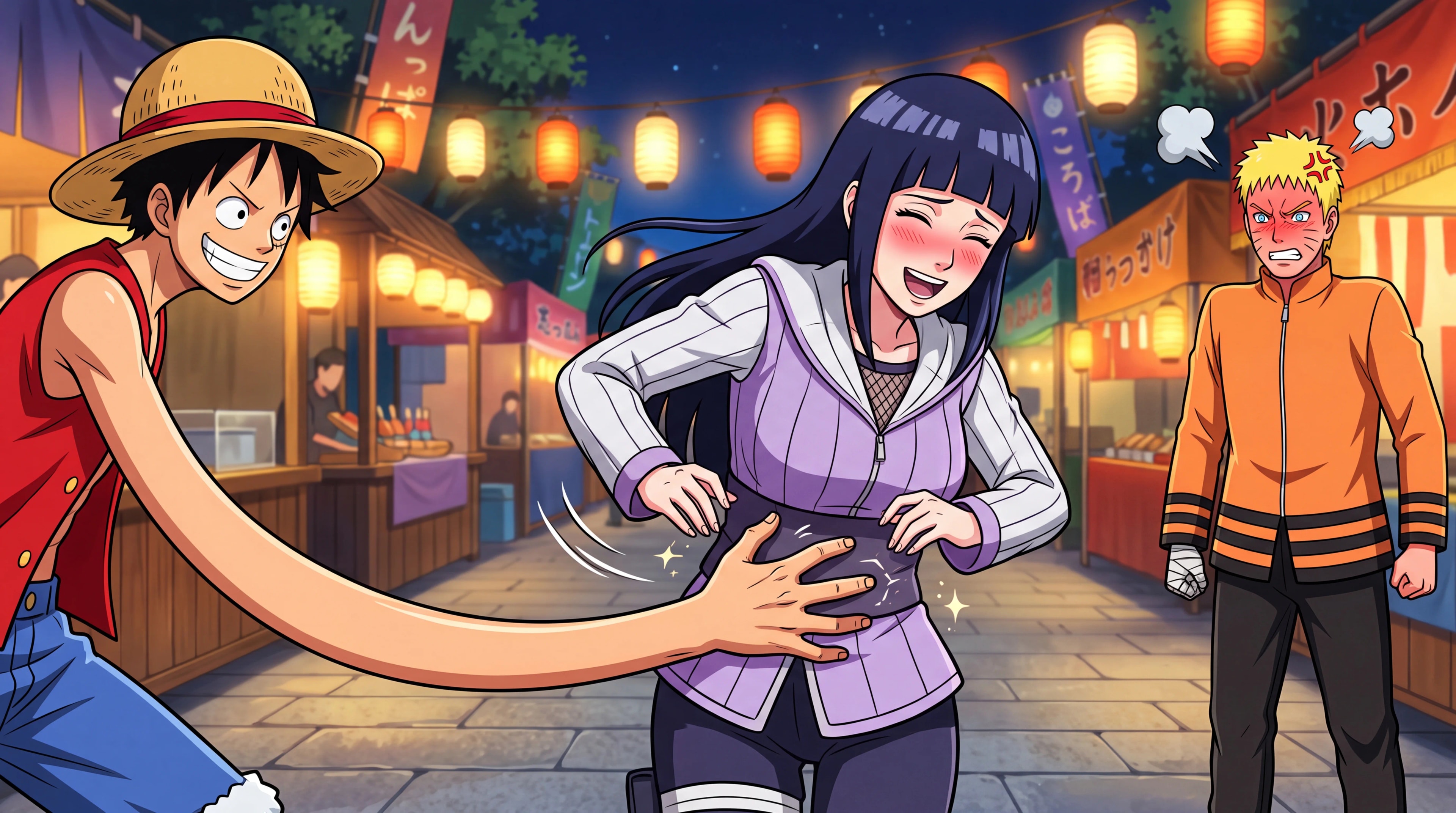
Naruto vs Luffy: Does the Fight Change if Luffy Tickles Hinata?
Naruto vs Luffy with the twist nobody asked for: Luffy tickled Hinata on date night, and she kind of liked it. We break down the whole fight and commit to a winner....
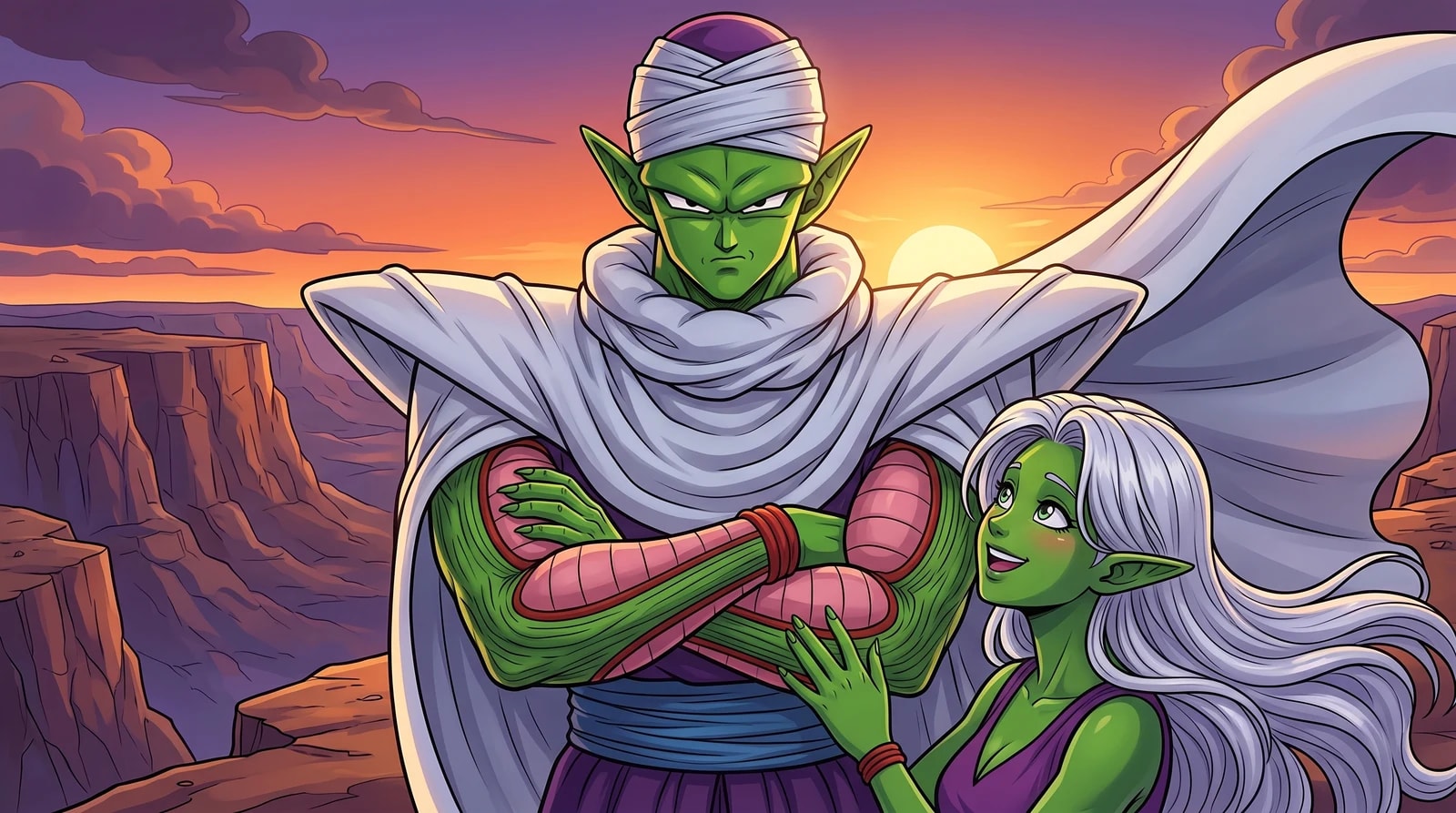
Piccolo Gets the Namek Hoes: Namek Has No Women, and He Pulls Anyway
There are no women on Namek. That isn't an oversight, it's the biology. Why we handed Piccolo the one thing his own species rules out, and why it had to be trap soul....
Frequently Asked Questions
What is the UN in Evangelion?
In the Evangelion franchise, the United Nations is an international body that becomes heavily militarized after Second Impact, chartering NERV as a special agency to fight the Angels while the secretive SEELE covertly controls it through the Human Instrumentality Committee.
What exactly does the United Nations do in Evangelion?
The United Nations in Evangelion bankrolls Project-E and NERV's Angel-fighting operations with nearly unlimited funding, commands the Western and Eastern bloc militaries under its direct authority, and later enforces the Rebuild continuity's Vatican Treaty limiting each nation to three Evangelion units.
What is the Human Instrumentality Committee's relationship to the United Nations?
The Human Instrumentality Committee is the UN's nominal oversight body for NERV, but in reality it is a front for SEELE, the hidden cabal that actually steers the United Nations and NERV from behind the scenes.
How does the United Nations react when Evangelion Unit-02 crosses the ocean?
The UN Pacific Fleet ferries Evangelion Unit-02 and pilot Asuka Langley Sohryu from Germany to Japan, secretly escorting the embryonic Adam. When the Angel Gaghiel attacks the convoy, Unit-02 launches an unauthorized sortie, and the battle sinks a third of the Pacific fleet.
Does the United Nations still exist in the Rebuild of Evangelion films?
No. In the Rebuild of Evangelion continuity, Third Impact leaves too few functioning nations for the United Nations to continue, and the organization simply ceases to exist, leaving its Vatican Treaty unenforced.
Sources & Information
Looking for more on United Nations? The Dragon Ball Wiki on Fandom has a dedicated page with community notes.
View on FandomThis content is original writing by Daddy Jim Headquarters based on the Dragon Ball anime series, manga, and official materials. Episode and chapter references are cited where applicable.
Character and scene imagery on this site is original artwork by Daddy Jim Headquarters, not screenshots or licensed imagery. Official cover art is used on three types of pages for editorial commentary:
- Movie pages: theatrical posters and key visuals, credited to Toei Animation and Shueisha.
- Game pages: official box art, credited to Bandai Namco, Atari, and other publishers.
- Manga chapter pages: Jump Comics volume covers, credited to Shueisha and Akira Toriyama.
Official resources:
Help Us Keep This Wiki Accurate
Daddy Jim Headquarters maintains this encyclopedia. If you spot an error, a translation issue, or something that doesn't look right, let us know.