Evangelion: 2.0 You Can (Not) Advance
MovieThe Rebuild saga's turning point. Asuka and newcomer Mari join the pilot roster, Angels fall in quick succession, and the story swerves off the television series' rails when Shinji's desperate rescue of Rei pushes Unit-01 toward godhood and the world to the brink of Third Impact.
Overview
Evangelion: 2.0 You Can (Not) Advance is the second Rebuild of Evangelion film and the direct follow-up to 1.0. Hideaki Anno wrote the script and directed alongside Masayuki and Kazuya Tsurumaki, while khara inc. produced the film and shared distribution duties with THE KLOCKWORX. It reached Japanese screens on 27 June 2009 after several postponements from an originally announced January 2008 window. Anno confirmed during production that fresh characters and new Evangelion units would start arriving with this installment, and the plot diverges sharply from the original series as a result. Shirō Sagisu scored the film; Hikaru Utada's Beautiful World -PLANiTb Acoustica Mix- serves as the ending theme.
Plot
At NERV's Arctic Bethany Base, new pilot Mari Makinami Illustrious destroys the reawakened skeletal Third Angel by blowing up Provisional Unit-05 around it, ejecting at the last second. In Japan, the Seventh Angel interrupts Shinji and Gendo's visit to Yui's grave, only to be cut down by the airdropped Unit-02 and its proud pilot Asuka Shikinami Langley. Arriving with them, Ryoji Kaji hands Gendo a case holding the so-called Nebuchadnezzar's Key.
The three Evas dispatch the Eighth Angel with newfound coordination, though SEELE decides only the damaged Unit-01 merits repair. On the Moon, Gendo and Fuyutsuki inspect the secretive Mark.06 project and glimpse Kaworu Nagisa perched on the Eva's finger. When a catastrophic engine test wipes out Unit-04 and NERV's American branch, the United States ships Unit-03 to Japan; treaty limits force Unit-02 into storage, and Asuka takes the activation test in Rei's place so Rei can host a dinner meant to reconcile Shinji with his father. The test goes horribly wrong: the Ninth Angel seizes Unit-03. Unable to fight knowing Asuka is trapped inside, Shinji freezes, so Gendo switches Unit-01 to the autonomous Dummy System, which mangles the possessed Eva and crushes Asuka's entry plug. She survives, badly hurt; Shinji, sickened, quits NERV.
As he leaves town, the Tenth Angel strikes. Mari commandeers Unit-02 and unleashes its berserker mode without success, and Rei's N2 missile strike ends with Unit-00 swallowed whole. Witnessing this, Shinji returns to Unit-01 and, when its power runs dry, wills the Eva into an awakened state. He tears Rei free from inside the Angel, fusing Eva, pilot, and core into a radiant figure resembling a giant Rei. Ritsuko announces the onset of Third Impact, exactly the outcome Gendo has been working toward. In a post-credits scene, the Mark.06 descends from the Moon and pins Unit-01 with the Spear of Cassius, freezing the cataclysm; its pilot Kaworu promises that this time he will show Shinji happiness.
Reception
The film opened at number one in Japan, earning the equivalent of 5.37 million dollars across 120 screens on its debut weekend and passing 40 million dollars overall. Japanese audiences rated it warmly, with a 4.48 out of 5 on Yahoo! Movies Japan. English-language critics split: Rotten Tomatoes lists 82 percent Fresh from 11 reviews with a 6.4/10 average, while Metacritic's 45 from four reviews indicates mixed or average notices.
The reworked home video edition, Evangelion: 2.22 You Can (Not) Advance, reached Blu-ray and DVD on 26 May 2010, retouching hundreds of cuts and adding one fresh scene shared by Kaji and Shinji without altering the story. A television edit aired on Nippon TV in August 2011, streaming followed on Amazon in August 2021, and the 2025 anniversary Blu-ray boxes bundled the film with the full tetralogy.
Related Reading
See all
Naruto vs Luffy: Does the Fight Change if Luffy Tickles Hinata?
Naruto vs Luffy with the twist nobody asked for: Luffy tickled Hinata on date night, and she kind of liked it. We break down the whole fight and commit to a winner....
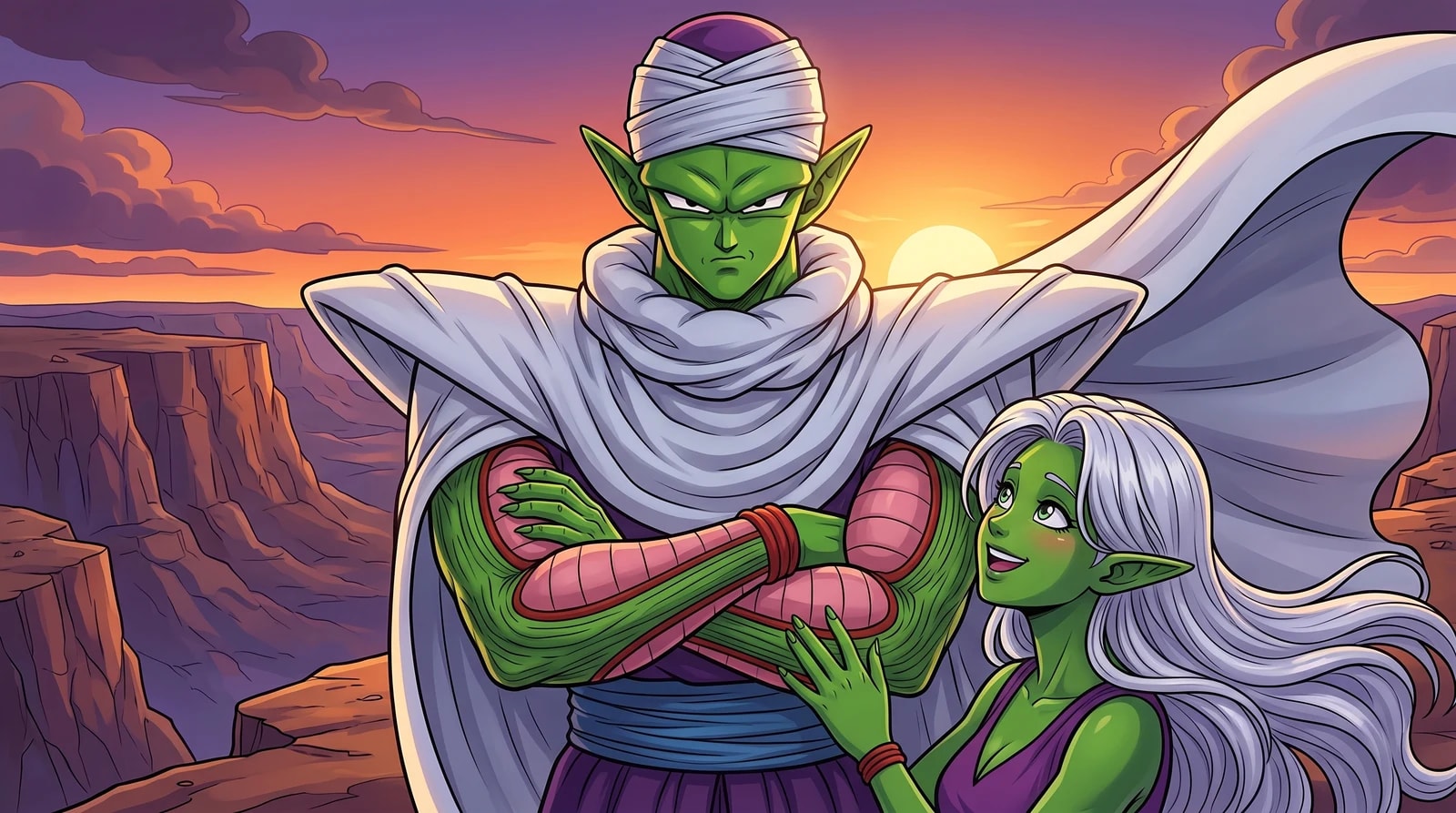
Piccolo Gets the Namek Hoes: Namek Has No Women, and He Pulls Anyway
There are no women on Namek. That isn't an oversight, it's the biology. Why we handed Piccolo the one thing his own species rules out, and why it had to be trap soul....
Frequently Asked Questions
What is Evangelion: 2.22 You Can (Not) Advance?
Evangelion: 2.22 You Can (Not) Advance is the reworked home video edition of Evangelion: 2.0 You Can (Not) Advance, released on Blu-ray and DVD on 26 May 2010 with hundreds of retouched cuts and one new scene shared by Kaji and Shinji, without changing the story.
Is Evangelion 2.0 You Can (Not) Advance worth watching?
Evangelion: 2.0 You Can (Not) Advance was well received in Japan, topping the box office and earning a 4.48 out of 5 from Japanese audiences on Yahoo! Movies Japan, while English-language critics were more divided, with Rotten Tomatoes recording 82 percent Fresh but Metacritic showing a mixed 45 score.
What is Evangelion: 2.0 You Can (Not) Advance about?
Evangelion: 2.0 You Can (Not) Advance follows Shinji, Asuka, and new pilot Mari Makinami Illustrious battling a string of Angels in their Evangelions, building to Shinji's desperate rescue of Rei that awakens Unit-01 and triggers the onset of Third Impact.
Are Evangelion 1.0 and 2.0 the same?
No. Evangelion: 2.0 You Can (Not) Advance is the direct sequel to Evangelion: 1.0 You Are (Not) Alone, and director Hideaki Anno confirmed that new characters and Evangelion units would begin appearing from this film onward, causing the story to diverge sharply from the original series.
Who composed the music and ending theme for Evangelion: 2.0 You Can (Not) Advance?
Shiro Sagisu scored Evangelion: 2.0 You Can (Not) Advance, and Hikaru Utada's Beautiful World -PLANiTb Acoustica Mix- serves as its ending theme.
Sources & Information
Looking for more on Evangelion: 2.0 You Can (Not) Advance? The Dragon Ball Wiki on Fandom has a dedicated page with community notes.
View on FandomThis content is original writing by Daddy Jim Headquarters based on the Dragon Ball anime series, manga, and official materials. Episode and chapter references are cited where applicable.
Character and scene imagery on this site is original artwork by Daddy Jim Headquarters, not screenshots or licensed imagery. Official cover art is used on three types of pages for editorial commentary:
- Movie pages: theatrical posters and key visuals, credited to Toei Animation and Shueisha.
- Game pages: official box art, credited to Bandai Namco, Atari, and other publishers.
- Manga chapter pages: Jump Comics volume covers, credited to Shueisha and Akira Toriyama.
Official resources:
Help Us Keep This Wiki Accurate
Daddy Jim Headquarters maintains this encyclopedia. If you spot an error, a translation issue, or something that doesn't look right, let us know.