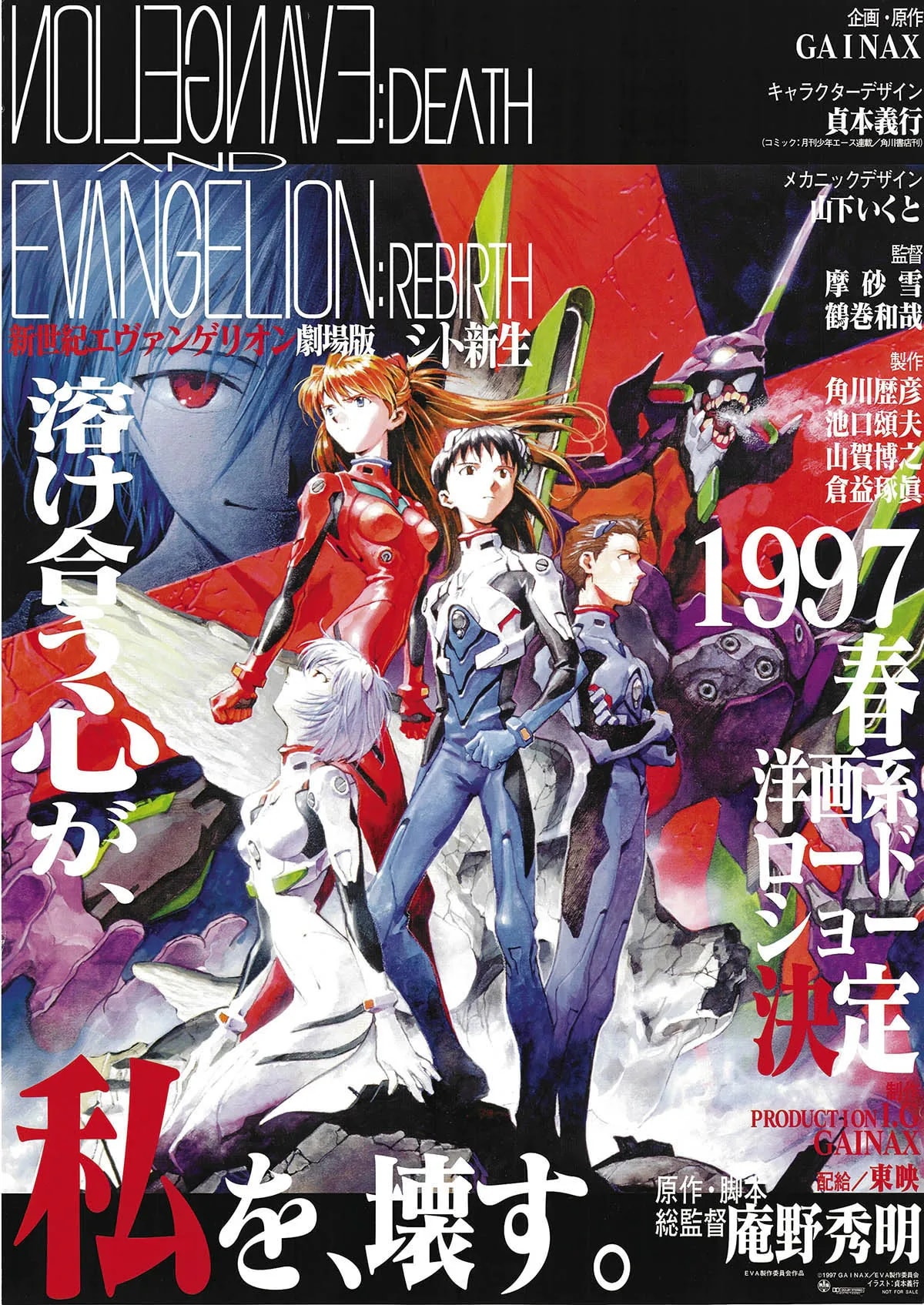
Evangelion: Death and Rebirth
MovieReleased in Japanese theaters on 15 March 1997, this double feature pairs DEATH, a 70 minute recap of the television series framed by a string quartet, with REBIRTH, the unfinished opening stretch of what grows into The End of Evangelion. Repeated re-edits have kept the film circulating in new forms for decades.
Overview
The Neon Genesis Evangelion franchise opens its theatrical run with this 1997 double bill, known in Japan as Shin Seiki Evangerion Gekijō-ban: Shito Shinsei. Hideaki Anno supervises the whole production and shares writing duties with Akio Satsukawa, while Masayuki directs the DEATH half and Kazuya Tsurumaki handles REBIRTH. GAINAX and Production I.G produce, and Shirō Sagisu composes the score. The 115 minute program reaches Japanese screens on 15 March 1997 as an answer to the television show's popularity and to fans who wanted a different conclusion.
The Japanese subtitle carries a deliberate double reading. Written partly in katakana, SHITO shinsei can be parsed as "death and rebirth", matching the English title, or as a nod to shito, the word the series uses for its Angels.
Plot
DEATH condenses the show's first 24 episodes into roughly 70 minutes. Rather than a straight chronological digest, the segment threads its material through scenes of a string quartet, with each movement centering on one of four pilots: Shinji, Asuka, Rei, and Kaworu. The theatrical cut also premieres footage nobody had seen before, material that later slots into the director's cut versions of episodes 21 through 24.
REBIRTH offers 27 minutes of wholly new animation, an unfinished rendering of what becomes Episode 25'. It follows SEELE's opening moves toward the Human Instrumentality Project and the armed invasion of the Geofront, then stops as the Mass Production Evangelions descend, well short of the conclusion of Asuka's battle against them that the finished film depicts. Yoko Takahashi's song "Soul's Refrain" plays over its ending. Four months later this material, completed and extended, forms the opening third of The End of Evangelion. The version screened in Japan also differs from the finished episode in dozens of small ways, from tank designs and explosion colors to scene order, pacing, and a distinct Japanese dub.

Reception
Between opening day and October 1997 the double feature earns 1.1 billion yen in Japan. Its afterlife is defined by re-edits. A version reworked personally by Masayuki, titled DEATH(TRUE), airs on the WOWOW satellite channel on 02 January 1998 with most of the new episode footage removed, then plays in Toei cinemas across Japan that March. A further pass, DEATH(TRUE)², debuts on 07 March 1998 as half of Revival of Evangelion, adding fresh effects and a revised sound mix that brings out the music and background dialogue; this cut anchors the Manga Entertainment home release and remains the version available on Netflix and on current Blu-ray and digital editions. The original theatrical DEATH finally reaches home video through the 2015 Japanese Blu-ray box of the series, while DEATH(TRUE) has appeared only once, in the 2015 Archives of Evangelion DVD set.
Related Reading
See all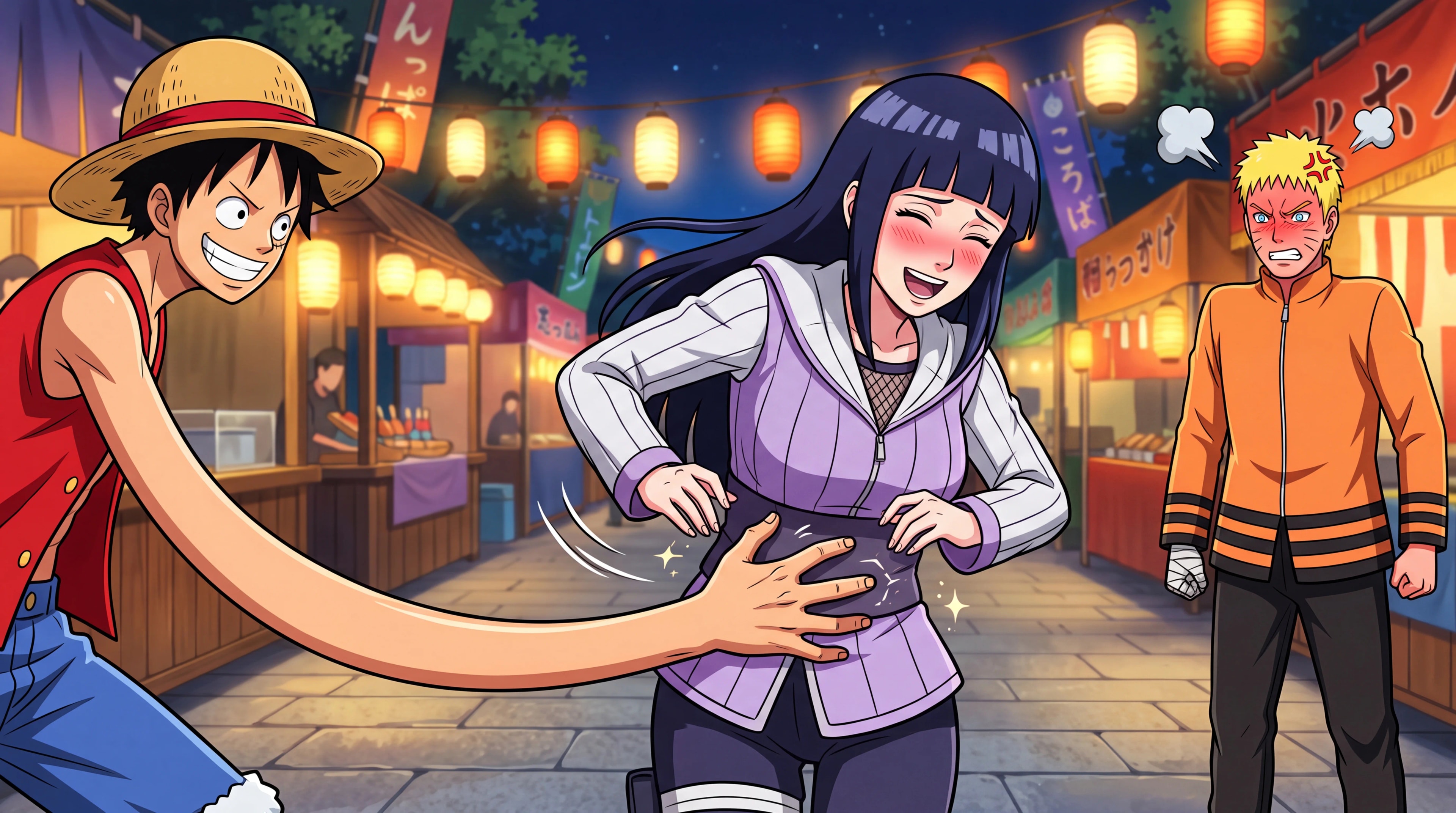
Naruto vs Luffy: Does the Fight Change if Luffy Tickles Hinata?
Naruto vs Luffy with the twist nobody asked for: Luffy tickled Hinata on date night, and she kind of liked it. We break down the whole fight and commit to a winner....
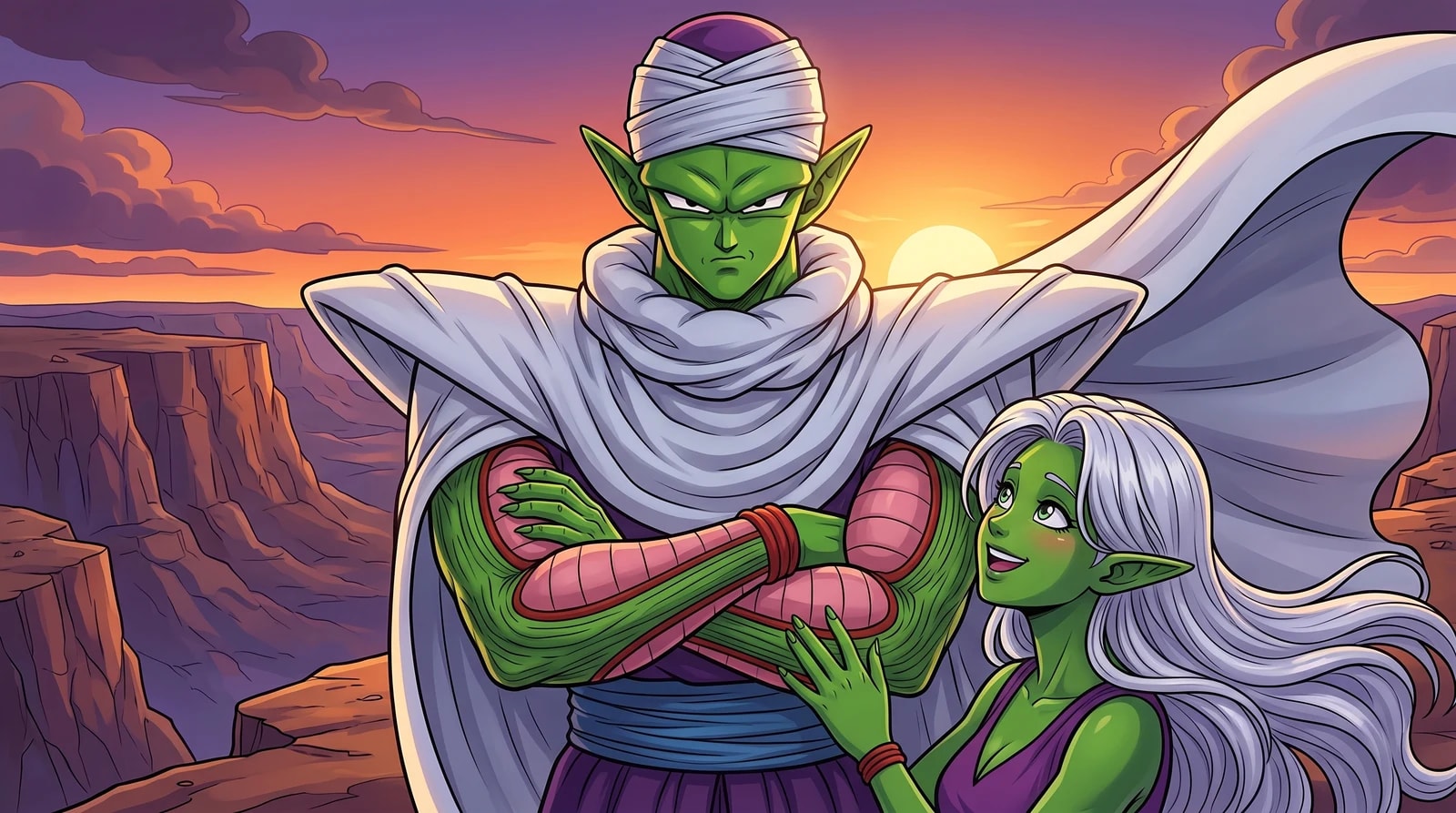
Piccolo Gets the Namek Hoes: Namek Has No Women, and He Pulls Anyway
There are no women on Namek. That isn't an oversight, it's the biology. Why we handed Piccolo the one thing his own species rules out, and why it had to be trap soul....
Frequently Asked Questions
Is Death and Rebirth just a recap?
Evangelion: Death and Rebirth is only partly a recap. Its DEATH half condenses the television series' first 24 episodes into about 70 minutes framed by scenes of a string quartet, but the REBIRTH half is 27 minutes of entirely new animation covering SEELE's invasion of the Geofront.
What is the difference between Evangelion Death and Rebirth?
Death and Rebirth pairs two different works. DEATH is a recap of the TV series' first 24 episodes told through a string quartet framing device, while REBIRTH is new, unfinished animation that was later completed and expanded into the opening third of The End of Evangelion.
Is Evangelion Death and Rebirth important?
Evangelion: Death and Rebirth is significant because its REBIRTH segment supplied the first new Evangelion animation after the TV series, material that was completed and expanded four months later into The End of Evangelion. The double feature also earned 1.1 billion yen in Japan by October 1997.
Is Death and Rebirth canon?
Death and Rebirth is an official theatrical release from the Neon Genesis Evangelion franchise. Its REBIRTH footage was later finished and became the opening third of The End of Evangelion, the series' alternate theatrical ending.
Who directed Evangelion: Death and Rebirth?
Hideaki Anno supervised Evangelion: Death and Rebirth and co-wrote it with Akio Satsukawa. Masayuki directed the DEATH half while Kazuya Tsurumaki directed the REBIRTH half, with GAINAX and Production I.G producing.
Sources & Information
Looking for more on Evangelion: Death and Rebirth? The Dragon Ball Wiki on Fandom has a dedicated page with community notes.
View on FandomThis content is original writing by Daddy Jim Headquarters based on the Dragon Ball anime series, manga, and official materials. Episode and chapter references are cited where applicable.
Character and scene imagery on this site is original artwork by Daddy Jim Headquarters, not screenshots or licensed imagery. Official cover art is used on three types of pages for editorial commentary:
- Movie pages: theatrical posters and key visuals, credited to Toei Animation and Shueisha.
- Game pages: official box art, credited to Bandai Namco, Atari, and other publishers.
- Manga chapter pages: Jump Comics volume covers, credited to Shueisha and Akira Toriyama.
Official resources:
Help Us Keep This Wiki Accurate
Daddy Jim Headquarters maintains this encyclopedia. If you spot an error, a translation issue, or something that doesn't look right, let us know.