Camilla
CharacterCamilla is a mysterious alchemist and bounty hunter who appears in the first Fullmetal Alchemist game for the PlayStation 2, the Broken Angel. Chasing Professor Eiselstein's Philosopher's Catalyst to preserve her youth, she hides behind the false name Greta Riddel before her deadly scheme unravels.
Appearance
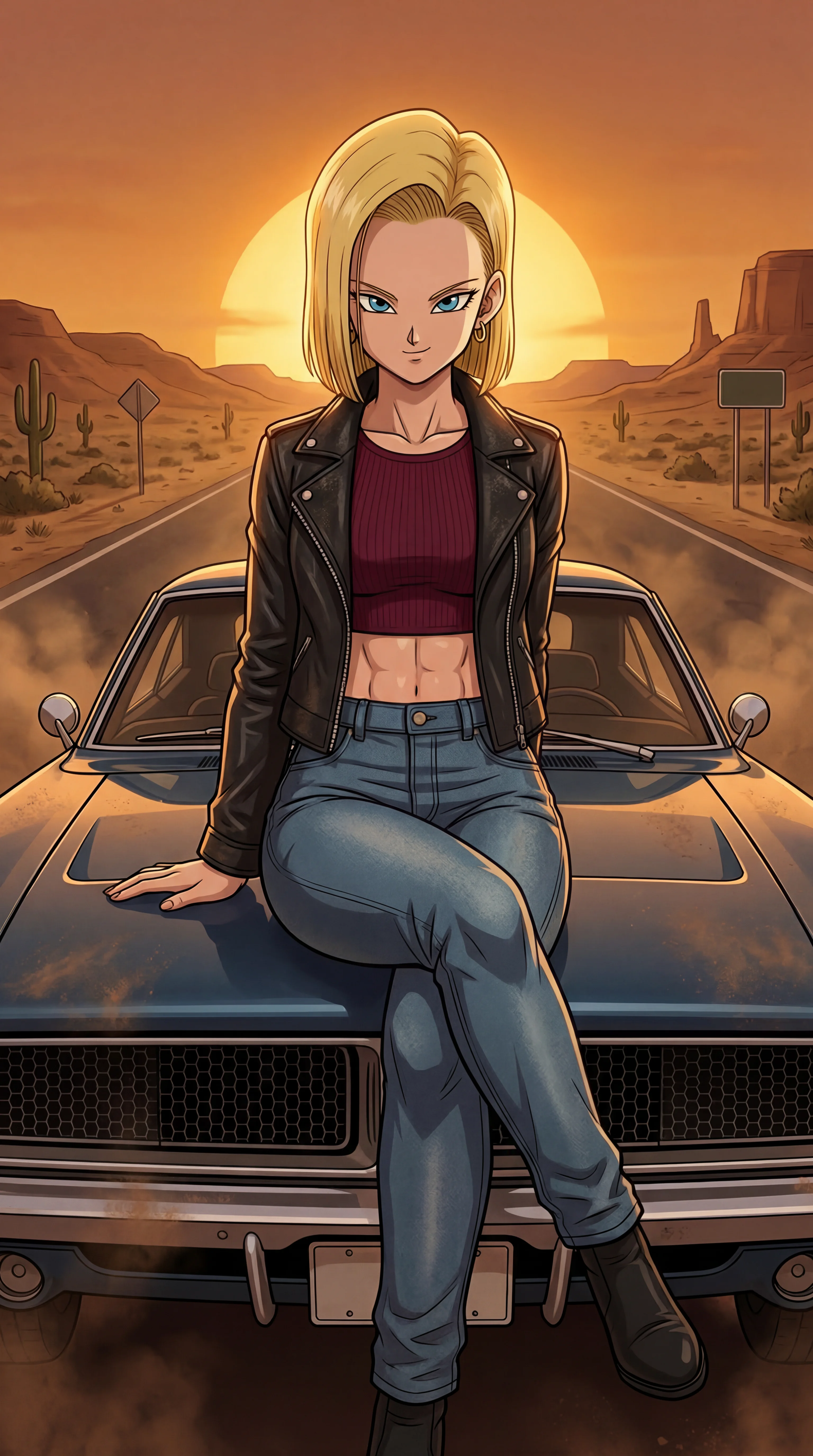
Camilla presents as a striking, beautiful woman clad in black, and both fans and the story note how closely she mirrors the homunculus Lust in looks and allure. Even though old records place her disappearance many years earlier, she keeps a youthful face. Once the bid to seize the Philosopher's Catalyst collapses, her skin splits apart like a shell, her body cracking away before she plunges from the tower.
Personality
Vanity drives nearly everything Camilla does. She has spent decades hunting for an alchemist capable of producing the Philosopher's Catalyst, wanting its power to lock her beauty in place forever. Beneath the elegant exterior she is cold and ruthless, ready to abduct Armony and to turn on the Elrics the instant her ambitions are thwarted. As she falls, her final words mourn the beauty she is losing.


History
Legend holds that Camilla was once a celebrated alchemist who vanished from view. She resurfaces as a bounty hunter of sorts, tracking down the Philosopher's Catalyst sought by Professor Wilhelm Eiselstein. To get close, she poses as a scientist called Greta Riddel and becomes his assistant, quietly helping him build the genuine Catalyst. She also teaches Eiselstein to make the combat chimera demanded by General Mudi Nemda, and one figure, Genz Bresslau, credits her with giving him a full-body automail conversion.
Her true intentions surface when she abducts Armony to strip away the girl's wing and grow stronger. Wilhelm steps in with an Etherflower, the wing is destroyed, and Camilla, her scheme in ruins, is presumed dead once her final strike at the Elrics fails. A later report by Riza Hawkeye links Greta and Camilla, yet notes that a woman of that name turned up in military files roughly a century before, making it doubtful they are truly the same person. Notably, Camilla is no homunculus, which leaves her longevity and real nature an open question.
Related Reading
See all
Naruto vs Luffy: Does the Fight Change if Luffy Tickles Hinata?
Naruto vs Luffy with the twist nobody asked for: Luffy tickled Hinata on date night, and she kind of liked it. We break down the whole fight and commit to a winner....
Piccolo Gets the Namek Hoes: Namek Has No Women, and He Pulls Anyway
There are no women on Namek. That isn't an oversight, it's the biology. Why we handed Piccolo the one thing his own species rules out, and why it had to be trap soul....
Frequently Asked Questions
What anime is Camilla from?
Camilla does not appear in the Fullmetal Alchemist anime; she is a character from Fullmetal Alchemist and the Broken Angel, the first Fullmetal Alchemist console game for the PlayStation 2.
What is Fullmetal Alchemist and the Broken Angel?
Fullmetal Alchemist and the Broken Angel is the first Fullmetal Alchemist console game, released for the PlayStation 2. Camilla appears in it as a mysterious alchemist and bounty hunter chasing Professor Eiselstein's Philosopher's Catalyst.
Who is Camilla in Fullmetal Alchemist and the Broken Angel?
Camilla is a mysterious alchemist and bounty hunter who appears in Fullmetal Alchemist and the Broken Angel. She hides behind the false name Greta Riddel while chasing Professor Eiselstein's Philosopher's Catalyst to preserve her youth.
What does Camilla want the Philosopher's Catalyst for?
Camilla wants the Philosopher's Catalyst to lock her beauty in place forever, having spent decades hunting an alchemist capable of producing it. Vanity drives nearly everything she does in the story.
How does Camilla's scheme end?
Camilla's true intentions surface when she abducts a girl named Armony to strip away her wing and grow stronger. Professor Eiselstein stops her with an Etherflower, and Camilla is presumed dead after her final strike against the Elric brothers fails and she falls from a tower.
Sources & Information
Looking for more on Camilla? The Dragon Ball Wiki on Fandom has a dedicated page with community notes.
View on FandomThis content is original writing by Daddy Jim Headquarters based on the Dragon Ball anime series, manga, and official materials. Episode and chapter references are cited where applicable.
Character and scene imagery on this site is original artwork by Daddy Jim Headquarters, not screenshots or licensed imagery. Official cover art is used on three types of pages for editorial commentary:
- Movie pages: theatrical posters and key visuals, credited to Toei Animation and Shueisha.
- Game pages: official box art, credited to Bandai Namco, Atari, and other publishers.
- Manga chapter pages: Jump Comics volume covers, credited to Shueisha and Akira Toriyama.
Official resources:
Help Us Keep This Wiki Accurate
Daddy Jim Headquarters maintains this encyclopedia. If you spot an error, a translation issue, or something that doesn't look right, let us know.