Claudio Rico
CharacterClaudio Rico is a central figure turned antagonist in the Wii games Prince of the Dawn and Daughter of the Dusk. Presented as the crown prince of Aerugo, he is in truth an impostor: a vengeful criminal who seized the real prince's identity to strike at Amestris from within.
Appearance
Claudio is portrayed as a poised young man of Aerugo with blue eyes, carrying himself with the bearing of the royalty he claims. He fights using both a sword and alchemy. The genuine Claudio Rico Aerugo, by contrast, is shown as a frail old man whom the impostor abducted and kept hidden away.

Personality
Behind the princely poise lies a hardened operative driven by hatred of Amestris. Orphaned when border fighting claimed his parents, he swore to ruin the nation that destroyed his family and clawed his way up through Aerugo's criminal underworld to become a feared mobster. He is calculating and merciless, willing to deceive even his devoted sister Elena and spend her life to power his weapon, yet the ending exposes a buried thread of remorse.


History
Introduced through bonus manga prologues that set up each game, the false prince arrives in Central under a ceasefire to negotiate peace while hiding his real aim. Across Prince of the Dawn he repeatedly crosses Edward Elric, and an explosion near his seat is staged to frame Roy Mustang, landing both Mustang and Ed in prison before allies free them; the arc closes as Ed shields the prince from an assassination ordered through Bradley.
In Daughter of the Dusk, Mustang uncovers the deception: this Claudio is a terrorist who caged the true ruler and took his place to gut Central City from the inside. He tricks Elena and channels her soul through a symbol marked on her chest to power a giant mecha built by his ally Petr Hildebrand. Edward battles him while the others cripple the machine, and Ed pulls Elena free, but her soul is left trapped in the Gate. In a final act of atonement, Claudio opens the Gate with his own body and soul to reclaim hers, and the Truth takes him as payment, leaving him to wish his sister well as he disappears.
Related Reading
See all
Naruto vs Luffy: Does the Fight Change if Luffy Tickles Hinata?
Naruto vs Luffy with the twist nobody asked for: Luffy tickled Hinata on date night, and she kind of liked it. We break down the whole fight and commit to a winner....
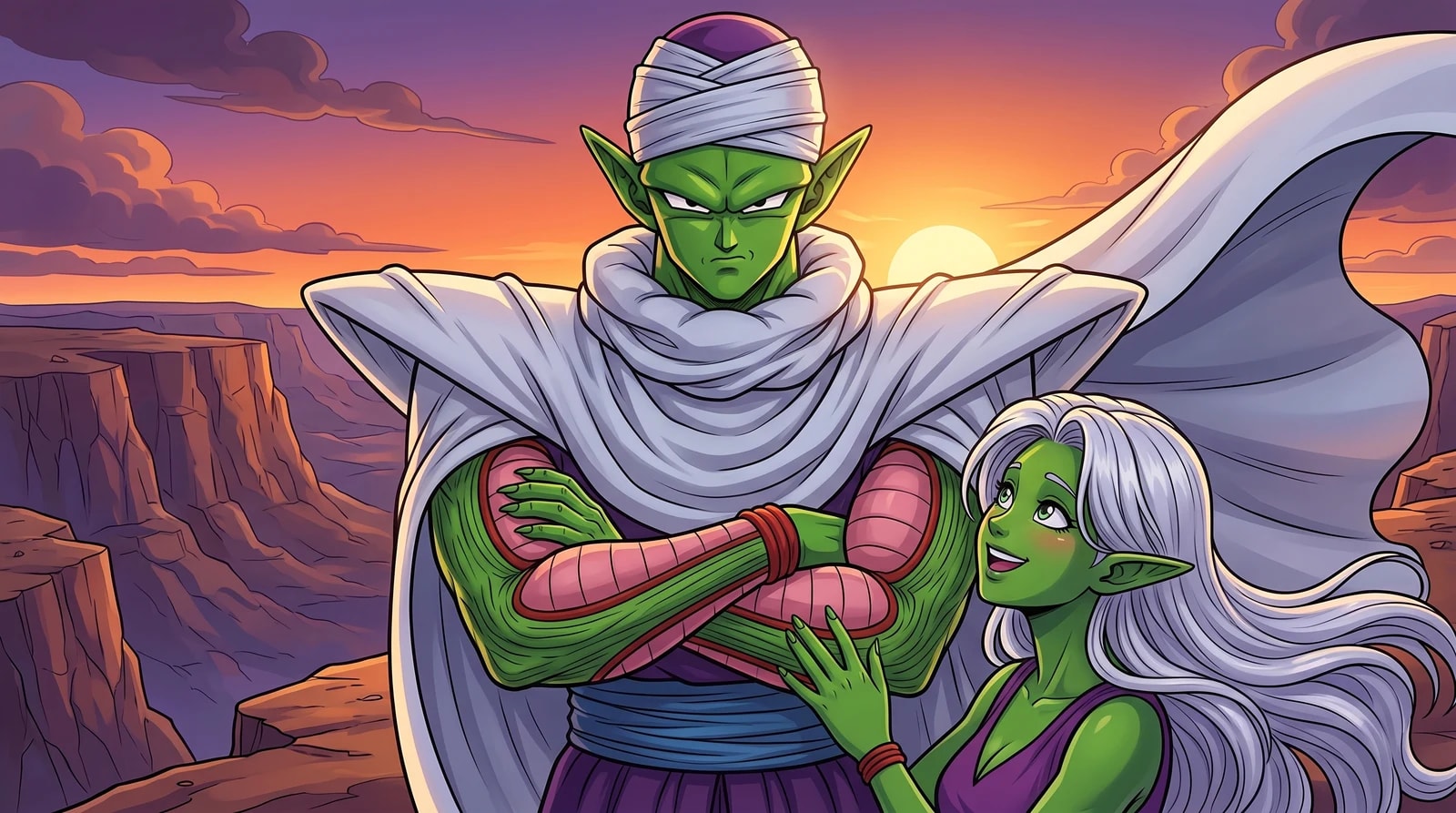
Piccolo Gets the Namek Hoes: Namek Has No Women, and He Pulls Anyway
There are no women on Namek. That isn't an oversight, it's the biology. Why we handed Piccolo the one thing his own species rules out, and why it had to be trap soul....

Frequently Asked Questions
Who is Claudio Rico in Fullmetal Alchemist?
Claudio Rico is a central antagonist in the Wii games Prince of the Dawn and Daughter of the Dusk, an impostor posing as the crown prince of Aerugo while secretly plotting against Amestris.
What happened to the real Claudio Rico Aerugo?
The genuine Claudio Rico Aerugo is a frail old man who was abducted and kept hidden away by the impostor who stole his identity.
Why does Claudio Rico hate Amestris?
Claudio Rico was orphaned when border fighting claimed his parents, so he swore to ruin Amestris and rose through Aerugo's criminal underworld to become a feared mobster before assuming the prince's identity.
How does Claudio Rico die?
In Daughter of the Dusk, Claudio Rico opens the Gate with his own body and soul to reclaim his sister Elena's trapped soul, and the Truth takes him as payment, leaving him to disappear after wishing her well.
What is Claudio Rico's relationship to Elena Fiori?
Elena Fiori is Claudio Rico's devoted sister, whom he deceives and channels through a symbol on her chest to power a giant mecha, though he ultimately sacrifices himself to save her soul.
Sources & Information
Looking for more on Claudio Rico? The Dragon Ball Wiki on Fandom has a dedicated page with community notes.
View on FandomThis content is original writing by Daddy Jim Headquarters based on the Dragon Ball anime series, manga, and official materials. Episode and chapter references are cited where applicable.
Character and scene imagery on this site is original artwork by Daddy Jim Headquarters, not screenshots or licensed imagery. Official cover art is used on three types of pages for editorial commentary:
- Movie pages: theatrical posters and key visuals, credited to Toei Animation and Shueisha.
- Game pages: official box art, credited to Bandai Namco, Atari, and other publishers.
- Manga chapter pages: Jump Comics volume covers, credited to Shueisha and Akira Toriyama.
Official resources:
Help Us Keep This Wiki Accurate
Daddy Jim Headquarters maintains this encyclopedia. If you spot an error, a translation issue, or something that doesn't look right, let us know.