The 25th episode of the 2003 Fullmetal Alchemist anime. As Hughes pieces together a conspiracy that reaches the Fuhrer's office, his discovery makes him a target, and the beloved officer pays for the truth with his life.
Summary
Hughes dreams of the years after the war, when he urged a bitter Mustang to move forward rather than dwell on those he killed in Ishval, and first learned of his friend's ambition. Waking, he wins Bradley's approval to keep digging into the fifth laboratory and the mercenary attack on the Ishvalan refugees, and asks that Marcoh be brought to Central, a task only the secretary Juliet Douglas can carry out. Hughes briefs the Elrics, who have decided to abandon the Philosopher's Stone and seek their old teacher near Dublith. They set off with Winry, though the brothers secretly plan to visit the Ishvalan camp to shadow Scar, whom Ed believes is hiding something.
Key Events
Sifting through the Ishval war, the Reole and Xenotime affairs, and Lab 5, Hughes realizes something vital: the real Juliet Douglas died two years earlier, yet her name was never struck from the records. He abruptly dismisses Sheska to keep her safe, then confronts Douglas, only to be ambushed by Lust. Wounded, he wards her off with a hidden knife just as Envy arrives wearing Ross's face. Hughes catches the disguise by recalling the true Ross's mole and slashes the impostor, but Envy takes Gracia's form, and Hughes hesitates a fatal instant before being shot through the heart. At his funeral, a grieving Mustang stands in the rain over the grave of the friend who was posthumously promoted two ranks. On the train south, Ed glimpses a smiling apparition of Hughes waving from an empty platform.

Notes
The episode adapts the manga chapters Fullmetal Heart, Separate Paths, and To Meet the Master, and closes the second season. Screenwriter Sho Aikawa originally conceived it as the series finale when only 25 episodes were greenlit, and later welcomed the extension. Director Seiji Mizushima built the funeral scene around its soundtrack and initially wanted the closing train conversation to play without dialogue. The ghostly sighting of Hughes and the biker thugs' dialogue about designated Ishvalan camps are unique to this telling, the latter contradicting the manga's premise that most Amestrians believe no Ishvalans survive. The usual ending sequence is swapped for a plain credits roll.
Related Reading
See all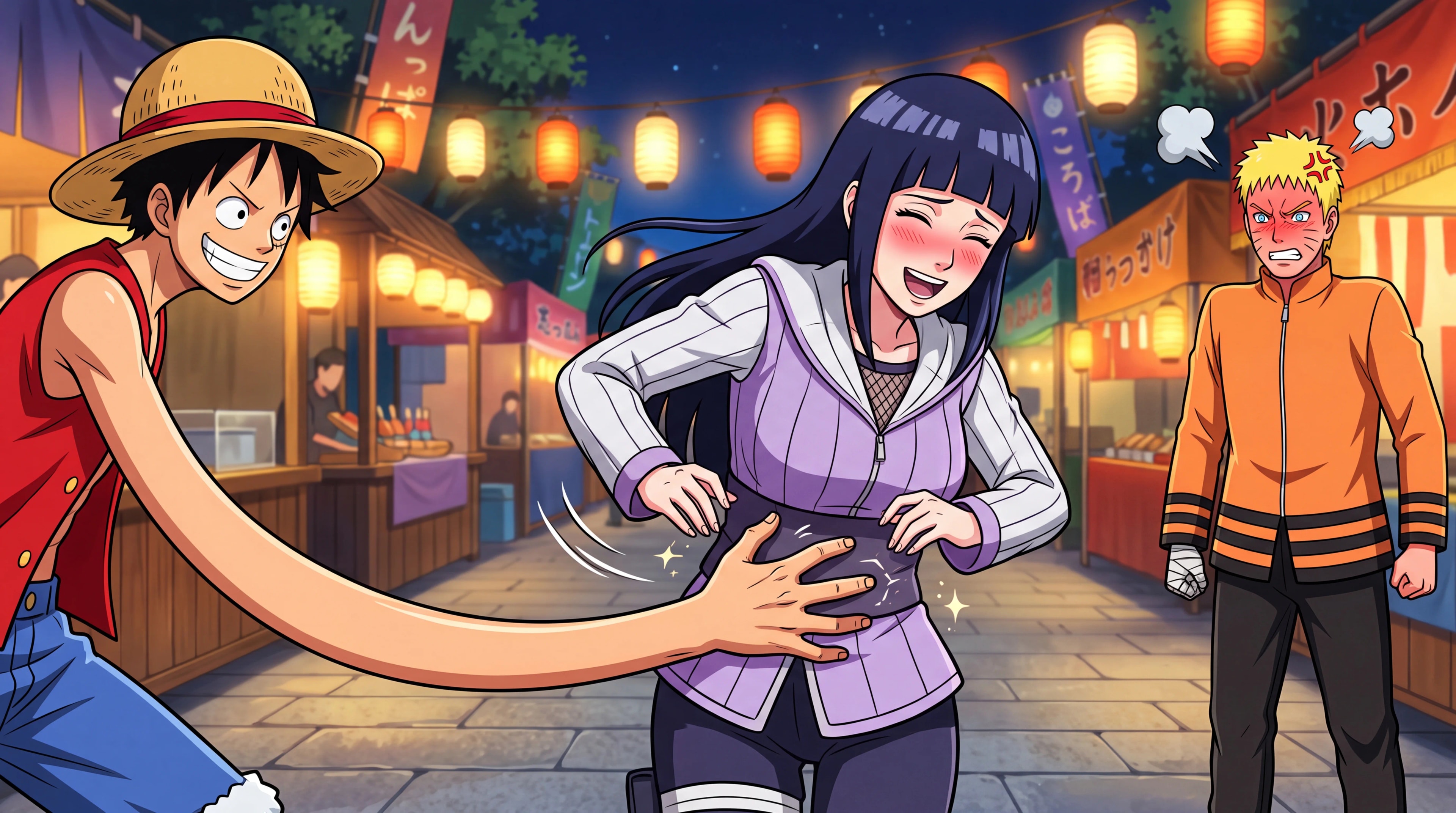
Naruto vs Luffy: Does the Fight Change if Luffy Tickles Hinata?
Naruto vs Luffy with the twist nobody asked for: Luffy tickled Hinata on date night, and she kind of liked it. We break down the whole fight and commit to a winner....
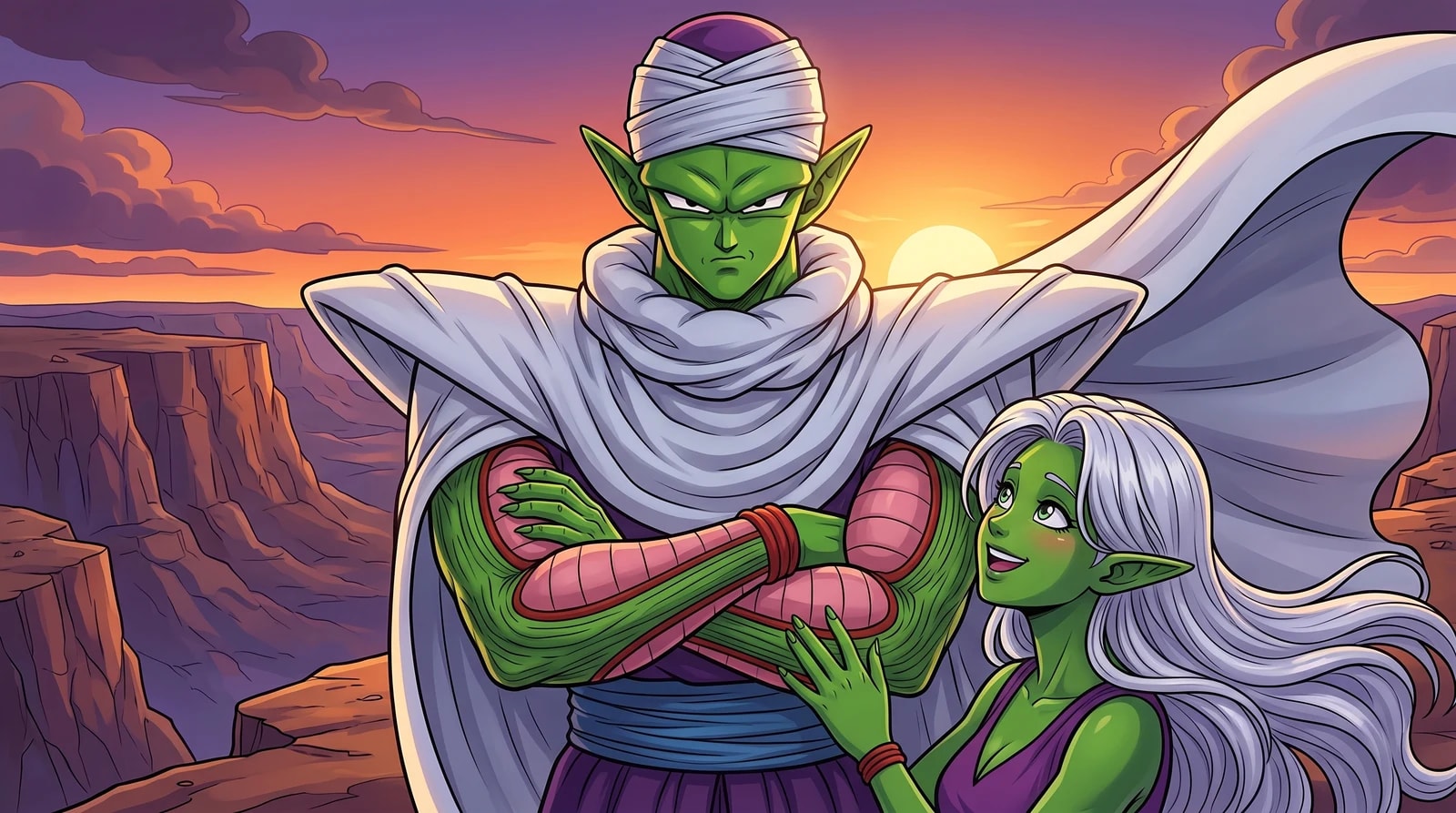
Piccolo Gets the Namek Hoes: Namek Has No Women, and He Pulls Anyway
There are no women on Namek. That isn't an oversight, it's the biology. Why we handed Piccolo the one thing his own species rules out, and why it had to be trap soul....
Frequently Asked Questions
How does Maes Hughes die in "Words of Farewell"?
Hughes uncovers that the real Juliet Douglas died two years earlier and confronts the impostor, only to be ambushed by Lust and then fatally shot through the heart after hesitating when Envy takes his wife Gracia's form.
What decision do Edward and Alphonse make about the Philosopher's Stone in this episode?
Edward and Alphonse decide to abandon their search for the Philosopher's Stone and instead travel toward Dublith to seek out their old teacher, Izumi Curtis.
What happens to Hughes after his death?
Hughes is honored with a funeral in the rain that a grieving Mustang attends, and Hughes is posthumously promoted two ranks.
What does Edward see on the train after Hughes's death?
On the train heading south, Edward glimpses a smiling apparition of Hughes waving from an empty platform.
What manga chapters does "Words of Farewell" adapt, and what milestone does it mark?
The episode adapts manga chapters 15, 16, and 26, and it closes out the second season of the 2003 Fullmetal Alchemist anime.
Sources & Information
Looking for more on Words of Farewell? The Dragon Ball Wiki on Fandom has a dedicated page with community notes.
View on FandomThis content is original writing by Daddy Jim Headquarters based on the Dragon Ball anime series, manga, and official materials. Episode and chapter references are cited where applicable.
Character and scene imagery on this site is original artwork by Daddy Jim Headquarters, not screenshots or licensed imagery. Official cover art is used on three types of pages for editorial commentary:
- Movie pages: theatrical posters and key visuals, credited to Toei Animation and Shueisha.
- Game pages: official box art, credited to Bandai Namco, Atari, and other publishers.
- Manga chapter pages: Jump Comics volume covers, credited to Shueisha and Akira Toriyama.
Official resources:
Help Us Keep This Wiki Accurate
Daddy Jim Headquarters maintains this encyclopedia. If you spot an error, a translation issue, or something that doesn't look right, let us know.