The penultimate episode of the 2003 series splits between two worlds: Edward stranded beyond the Gate learning the grim source of alchemy, and Mustang facing the Fuhrer's true identity in a lethal duel. Both threads converge as Envy strikes a killing blow.
Summary
Fleeing zeppelins in a parallel world, Edward realizes he now inhabits another person's body, and Hohenheim explains that this realm sits on the far side of the Gate, one that advanced through science rather than alchemy. He reveals the terrible truth that the deaths of this world fuel every transmutation back home, the energy of departing souls passing through to grant alchemists their power. His own centuries of survival came at the cost of decaying skin from repeated soul transfers.
At the Fuhrer's mansion, Hawkeye serves as a deliberate distraction so Mustang can slip inside unseen. Meanwhile Dante erases Gluttony's tattoo, reducing him to a mindless devouring creature after Lust's death leaves him unable to obey Envy.

Key Events
Sealing them both underground, Mustang confronts Bradley, who removes his eyepatch and reveals himself as Pride. Their duel turns on Pride's Ultimate Eye, which lets him read the air currents feeding the flame alchemy, and he splits the airflow to spoil Mustang's ignition. Even a room-shattering blast fails to finish him. Back at Dante's lair, Rose's baby is used to summon the Gate and sever Edward's original limbs, an act that reopens the passage and lets his soul return to his healed body.
Envy torments the grieving Edward by wearing the faces of the slain Marcoh and Hughes, then finally shows his true form, which resembles Hohenheim. Dante explains that Envy came into being as the earliest homunculus, born of Hohenheim's failed attempt to revive the son he fathered with her, and that his hatred stems from being abandoned. Transforming his arm into a blade, Envy runs Edward through the heart, ending his life at once and jolting Rose out of her trance.


Notes
The episode carries no preview for the following and final installment. Its parallel-world premise, tying alchemical energy to the deaths of another Earth, sets up the series' movie continuation and diverges sharply from the manga's cosmology. Envy's origin as Hohenheim's dead son is a defining twist unique to this adaptation.
Related Reading
See all
Naruto vs Luffy: Does the Fight Change if Luffy Tickles Hinata?
Naruto vs Luffy with the twist nobody asked for: Luffy tickled Hinata on date night, and she kind of liked it. We break down the whole fight and commit to a winner....
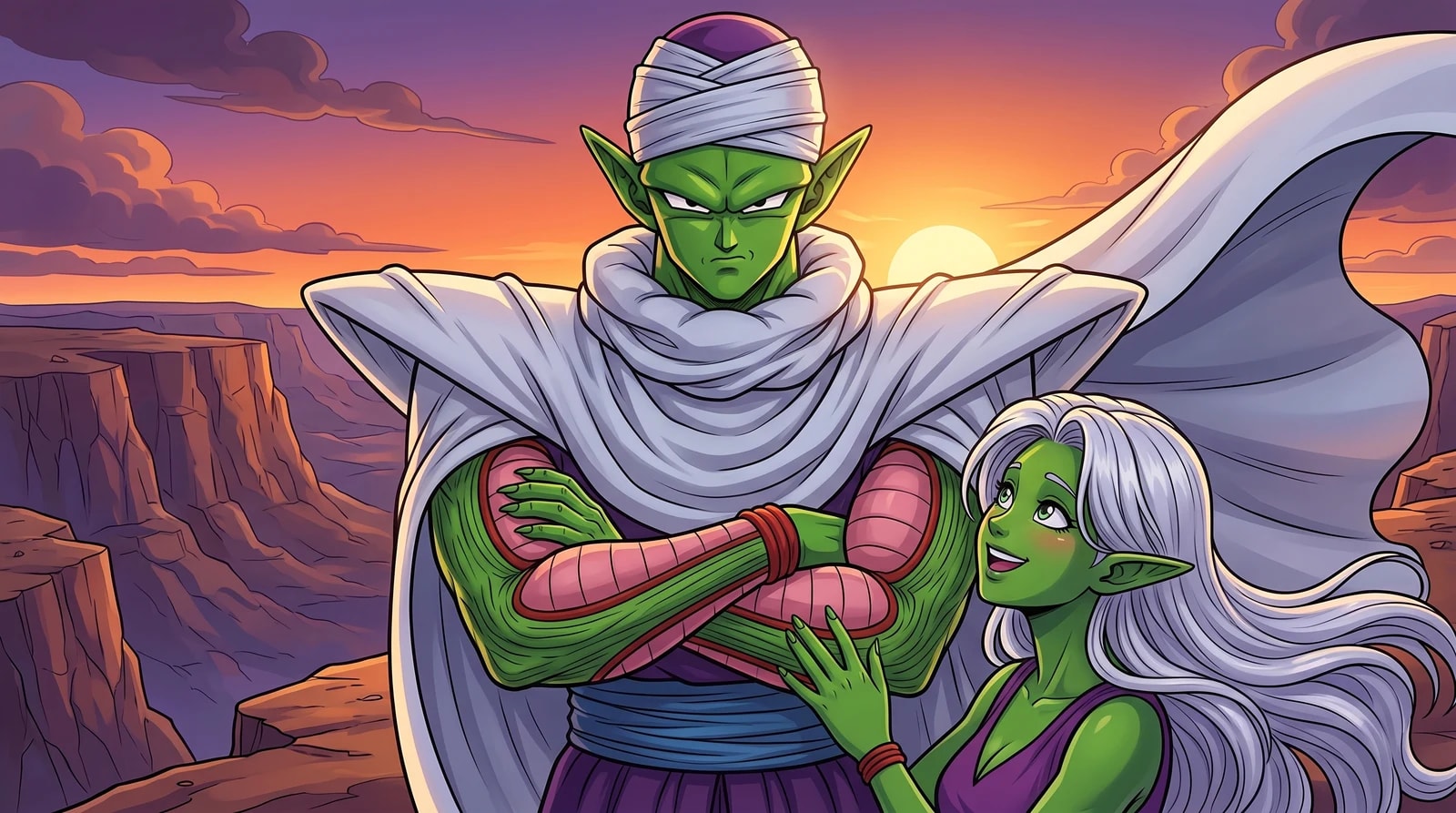
Piccolo Gets the Namek Hoes: Namek Has No Women, and He Pulls Anyway
There are no women on Namek. That isn't an oversight, it's the biology. Why we handed Piccolo the one thing his own species rules out, and why it had to be trap soul....

Frequently Asked Questions
What is the source of alchemical power revealed in this episode?
Hohenheim tells Edward that the parallel world beyond the Gate pays for every transmutation on their side, since the energy released by that world's dying souls is what powers Amestrian alchemy.
Who is King Bradley revealed to be in this episode?
Confronted by Mustang in the Fuhrer's mansion, Bradley removes his eyepatch and reveals himself as the homunculus Pride, whose Ultimate Eye lets him read air currents to disrupt Mustang's flame alchemy.
How does Edward Elric die in the 2003 anime's episode Death?
After Rose's baby is used to reopen the Gate and return Edward's soul to his healed body, Envy runs him through the heart with a blade-like arm, killing him instantly.
What is Envy's true origin in the 2003 Fullmetal Alchemist series?
Dante reveals that Envy is the earliest homunculus, born from Hohenheim's failed attempt to revive the son he fathered with her, and that his hatred stems from being abandoned.
What happens to Gluttony in this episode?
Dante erases Gluttony's tattoo, since Lust's death has left him unable to obey Envy, which reduces Gluttony to a mindless, uncontrollable devouring creature.
Sources & Information
Looking for more on Death? The Dragon Ball Wiki on Fandom has a dedicated page with community notes.
View on FandomThis content is original writing by Daddy Jim Headquarters based on the Dragon Ball anime series, manga, and official materials. Episode and chapter references are cited where applicable.
Character and scene imagery on this site is original artwork by Daddy Jim Headquarters, not screenshots or licensed imagery. Official cover art is used on three types of pages for editorial commentary:
- Movie pages: theatrical posters and key visuals, credited to Toei Animation and Shueisha.
- Game pages: official box art, credited to Bandai Namco, Atari, and other publishers.
- Manga chapter pages: Jump Comics volume covers, credited to Shueisha and Akira Toriyama.
Official resources:
Help Us Keep This Wiki Accurate
Daddy Jim Headquarters maintains this encyclopedia. If you spot an error, a translation issue, or something that doesn't look right, let us know.