Fullmetal Alchemist: The Sacred Star of Milos
MovieFullmetal Alchemist: The Sacred Star of Milos is the franchise's second animated feature, tied to the Brotherhood continuity yet standing outside its timeline. Released in Japan in 2011, it sends the Elric brothers to the border fortress of Table City, where the oppressed people of Milos chase a Philosopher's Stone of their own.
Overview
Built on the storyline of Fullmetal Alchemist: Brotherhood, which itself draws from the original manga, this is the second film in the franchise after Conqueror of Shamballa, which had instead been rooted in the 2003 anime. It carries an entirely fresh plot and a set of new faces, among them werewolf chimeras, a squad of winged fighters called the Black Bats, an alchemist gifted with water transmutation, and a strange stronghold named Table City.

Plot
The story opens as the Crichton family is driven from their homeland into Creta, leaving young Julia orphaned after her parents are brutally killed. Years later, an alchemical jailbreak by the prisoner Melvin Voyager puzzles the Amestrian military until they tie it to a censored newspaper photo of an older Julia being arrested. She is held in Table City, a fortress straddling the Amestris-Creta border, and Colonel Mustang sends Edward and Alphonse to investigate. Their train comes under assault first from werewolf chimeras and then from glider-borne raiders who call themselves the Black Bats.
Arriving amid Julia's escape, the brothers are pulled into the fighting, and Alphonse tumbles into the valley beneath the city alongside Julia and Melvin. There they meet the last of the Milos people and learn that Julia leads their resistance and that the Bats are seeking the very relic the Elrics know so well, the Philosopher's Stone, though local legend gives it a different name. The Milosians recount how Creta and then Amestris each seized the city and forced them to mine for stones said to surface at random locations.
As Julia rallies the Bats to break the military's hold, her main assault fails and a fresh stone is born from the bloodshed. The man who murdered her family surfaces, and despite the brothers' pleas she swallows the Philosopher's Stone and unleashes its power on him. Mustang, Hawkeye, and Winry Rockbell arrive with troops as the uprising plays out. In the end the occupiers are driven off, the valley's survivors reclaim the city and declare Milos an independent nation, and the Elrics linger a while before boarding a train as the freed city slips behind the mountains.



Reception
Directed by Kazuya Murata and animated by Bones, the film premiered in Japan on July 2, 2011, with a subtitled cut making its American debut at Otakon in Baltimore, followed by a session with the director. Funimation brought the Japanese version to North American theaters in early 2012 and to home video that spring. Although attached to Brotherhood, the movie is essentially non-canon, seemingly falling after Alphonse learns to transmute without a circle and before Mustang's team is scattered, since Roy has not yet recovered from his clash with Lust.
The picture tells a wholly original tale with new characters, and its look departs noticeably from the series, favoring sharper colors, flatter shading, and rounded rather than pointed hair. Observers liken Milos to another Ishval, a people squeezed between rival powers, though here the land is coveted purely for the alchemical might its Sanguine Stars could grant. Had the film been canon, it would have shown how Edward pieced together Father's plan to forge a stronger Philosopher's Stone.
Related Reading
See all
Naruto vs Luffy: Does the Fight Change if Luffy Tickles Hinata?
Naruto vs Luffy with the twist nobody asked for: Luffy tickled Hinata on date night, and she kind of liked it. We break down the whole fight and commit to a winner....
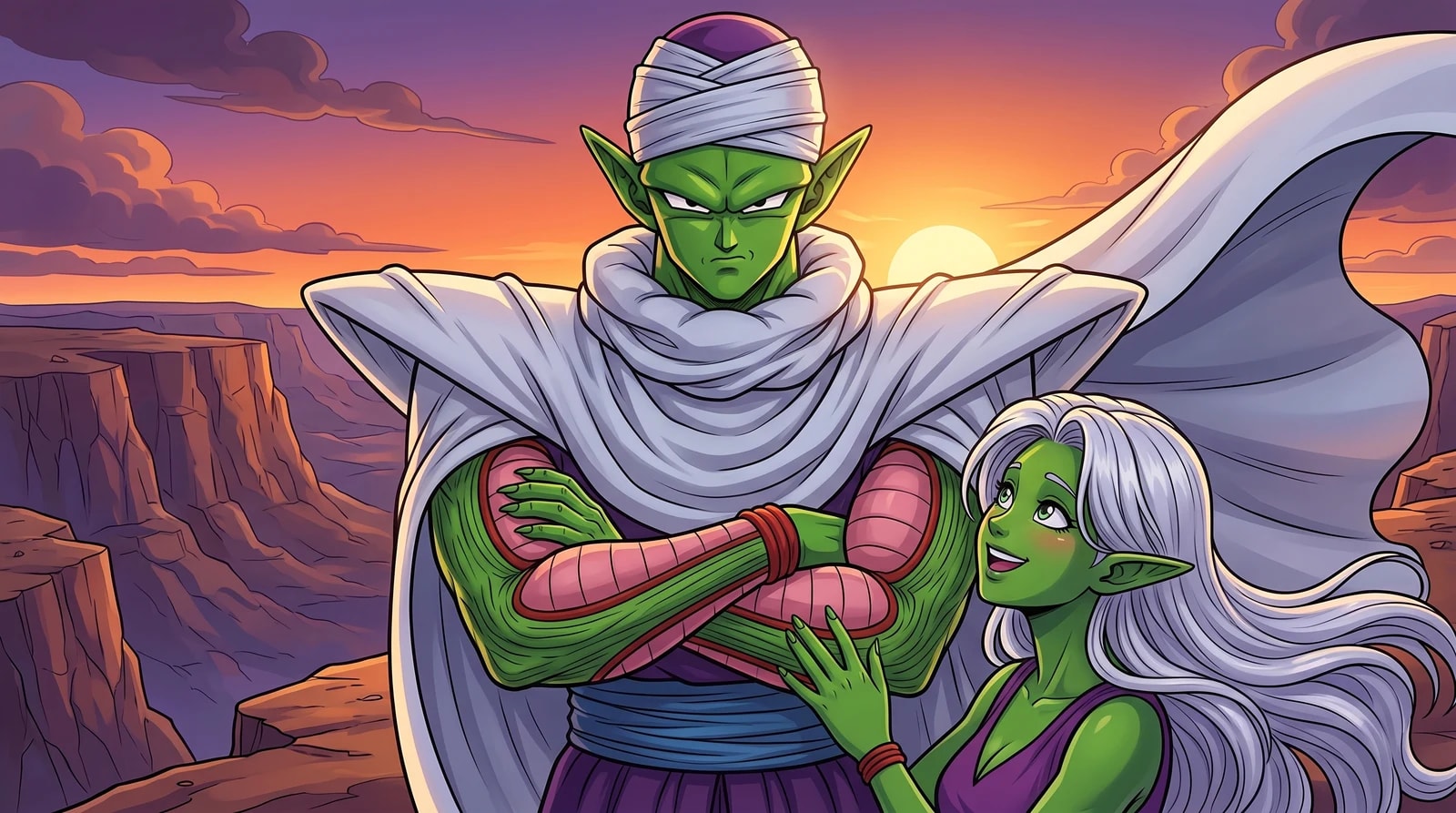
Piccolo Gets the Namek Hoes: Namek Has No Women, and He Pulls Anyway
There are no women on Namek. That isn't an oversight, it's the biology. Why we handed Piccolo the one thing his own species rules out, and why it had to be trap soul....

Frequently Asked Questions
Is The Sacred Star of Milos a sequel to Brotherhood?
Not a direct narrative sequel. The Sacred Star of Milos is built on the Fullmetal Alchemist: Brotherhood storyline but tells an entirely original story with new characters, sitting outside the main timeline.
Is FMA The Sacred Star of Milos canon?
The Sacred Star of Milos is essentially non-canon. It appears to fall after Alphonse learns to transmute without a circle and before Roy Mustang's team is scattered, since Mustang has not yet recovered from his clash with Lust.
When can I watch The Sacred Star of Milos?
The Sacred Star of Milos premiered in Japan on July 2, 2011. Funimation brought the film to North American theaters in early 2012 and to home video that spring.
Who directed The Sacred Star of Milos?
Kazuya Murata directed The Sacred Star of Milos, animated by studio Bones with a screenplay by Yuichi Shinbo.
What is the plot of The Sacred Star of Milos?
Edward and Alphonse Elric investigate the border fortress of Table City and get pulled into the fight of Julia and the oppressed Milos people, who seek a Philosopher's Stone equivalent of their own and ultimately win independence for their valley.
Sources & Information
Looking for more on Fullmetal Alchemist: The Sacred Star of Milos? The Dragon Ball Wiki on Fandom has a dedicated page with community notes.
View on FandomThis content is original writing by Daddy Jim Headquarters based on the Dragon Ball anime series, manga, and official materials. Episode and chapter references are cited where applicable.
Character and scene imagery on this site is original artwork by Daddy Jim Headquarters, not screenshots or licensed imagery. Official cover art is used on three types of pages for editorial commentary:
- Movie pages: theatrical posters and key visuals, credited to Toei Animation and Shueisha.
- Game pages: official box art, credited to Bandai Namco, Atari, and other publishers.
- Manga chapter pages: Jump Comics volume covers, credited to Shueisha and Akira Toriyama.
Official resources:
Help Us Keep This Wiki Accurate
Daddy Jim Headquarters maintains this encyclopedia. If you spot an error, a translation issue, or something that doesn't look right, let us know.