Batou Buttetsu
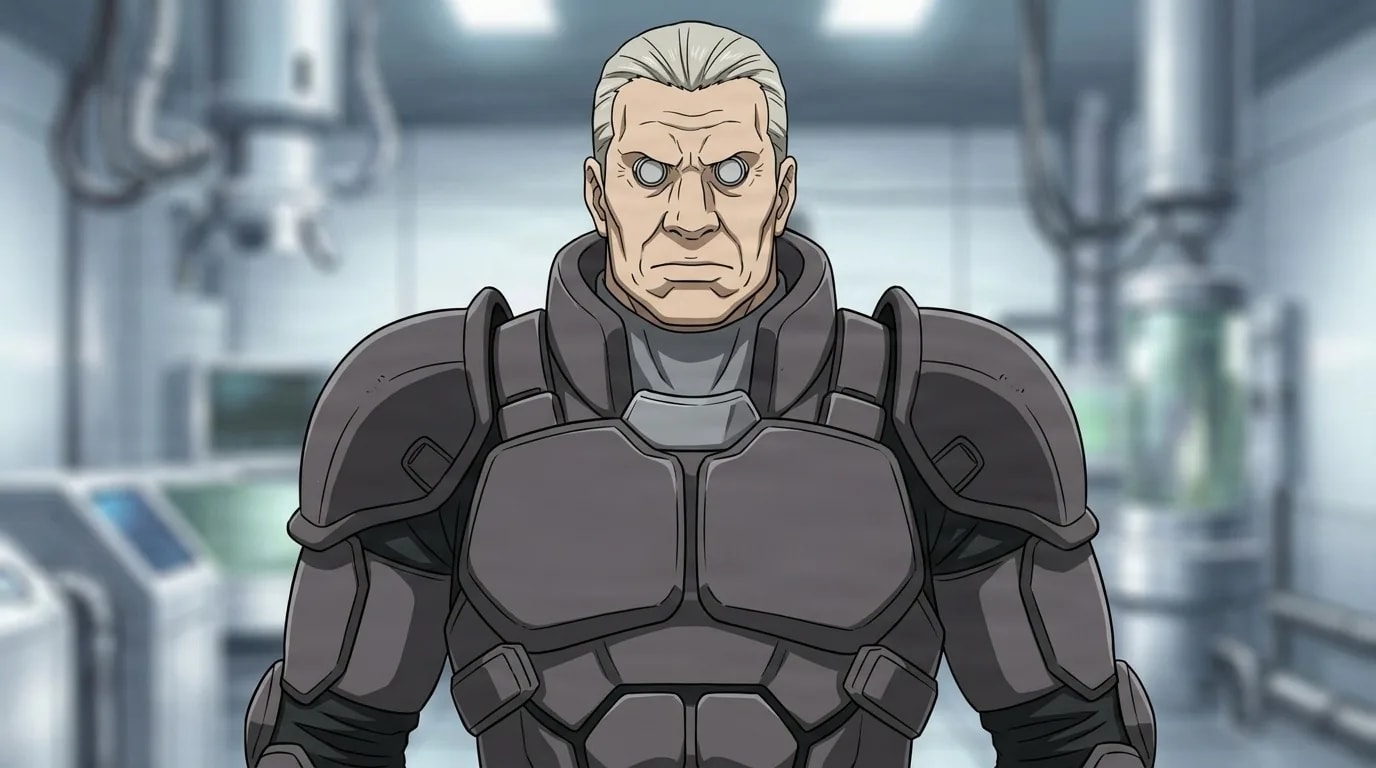
CharacterBatou stands as one of the pillars of the Ghost in the Shell saga, the full-body cyborg who serves as second-in-command of Public Security Section 9 and the Major's most trusted operative. A former military ranger with a soldier's tactical instincts, he ranks among the unit's deadliest close-quarters fighters.
Appearance
Batou's most recognizable trait is his pair of prosthetic eyes, a Ranger-issue optic array that reads as pale and metallic where a human iris would sit. He stands well over six feet on a fully cybernetic frame, and he wears his hair cropped short and near-white, though the exact style shifts between a crew cut, a brief ponytail, and even a shaved scalp across the various tellings.
Personality
Across most versions Batou is a boisterous, quick-tempered presence, fast with a joke aimed at Motoko, Togusa, or the Tachikomas, yet just as fast to anger at cruelty or injustice. Mamoru Oshii's films dial this way down, rendering him terse and nearly expressionless, while the manga and Stand Alone Complex lean into his rowdier, hot-blooded side. For all the ribbing he gives Section 9's rookies, he doubles as a steady confidant to the Major, and both the films and the series float an unspoken romantic charge between them. His softest spot is reserved for the Tachikomas, whom he pampers and treats as individuals rather than interchangeable machines.

History
Before Section 9, Batou wore the uniform of the Japanese Ground Self-Defense Force as part of its elite Ranger corps, where he received the goggle-style cybernetic eyes issued to that unit. He fought through World War IV and was sent to South America beside Motoko Kusanagi, and there the pair blundered into an American Imperial Navy operation, codenamed Project Sunset, that had soldiers win over local communities before committing atrocities to sow terror. He would go on to become the second recruit the Major brought into Section 9, following Ishikawa and ahead of Saito.
His temper defines some of his darkest turns. In the manga, when his trainee Yano is killed by the cyber-criminal Koil Krasnov, Batou explodes, demands answers from Aramaki, and hunts Koil down to finish him personally, a colder resolution than the mercy he later shows an ex-CIA agent in Stand Alone Complex. The film Innocence hands him the lead role, tracing his muted response to the Major's vanishing, with his basset hound Gabriel carrying nearly all the emotion he refuses to show. After a brain-hack forces him to fire on his own arm, he receives a DNA-matched replacement fitted with a concealed two-shot shotgun.
Batou's bond with the Tachikomas leaves a lasting mark on the story. He lavishes attention on a single unit he claims as his own and tends it with a special natural oil, and that oil eventually triggers a mutation in their protein chips that speeds up the think-tanks' growing self-awareness. By treating them as distinct personalities, he nudges the machines toward seeing themselves the same way.
Related Reading
See all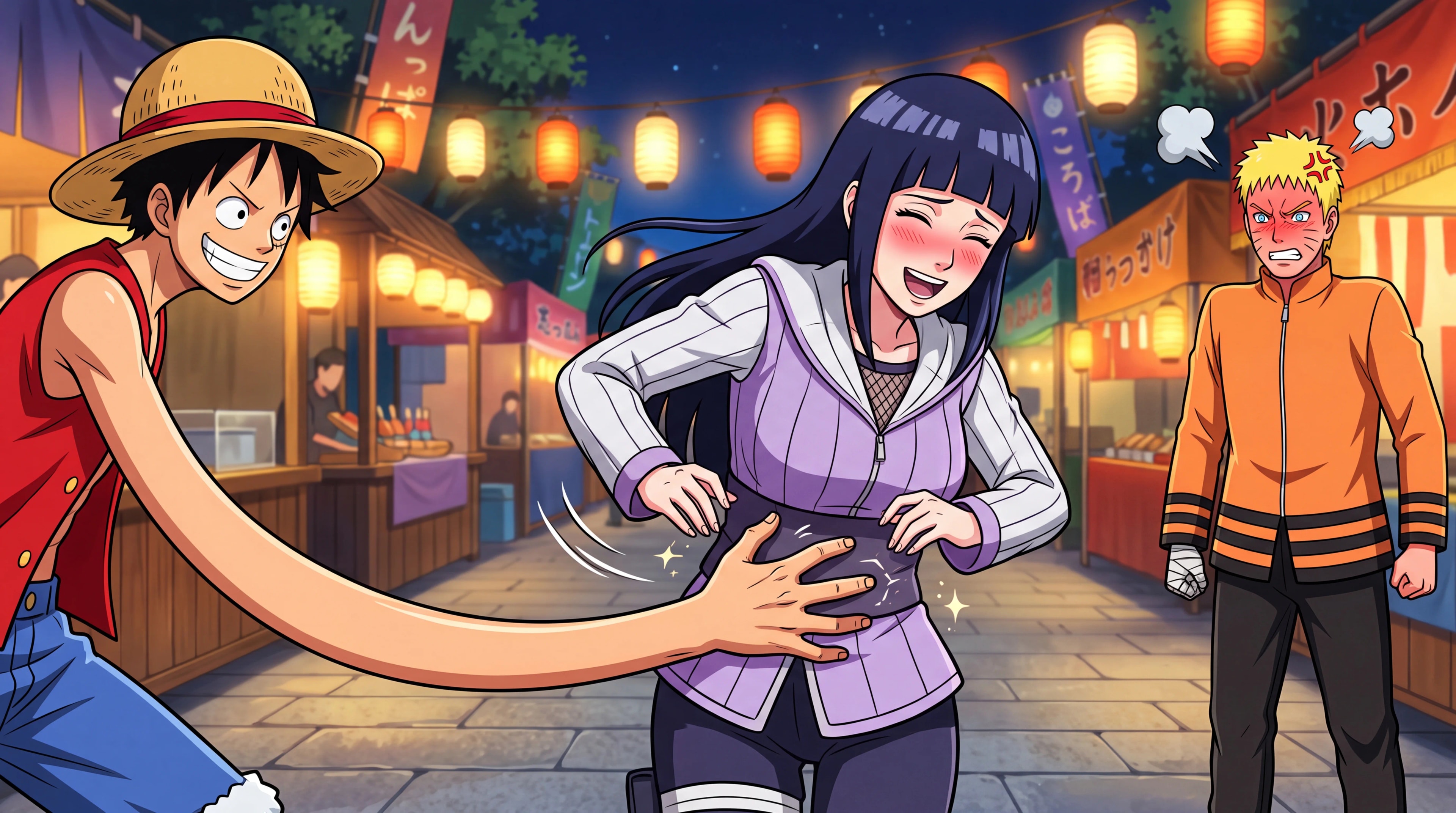
Naruto vs Luffy: Does the Fight Change if Luffy Tickles Hinata?
Naruto vs Luffy with the twist nobody asked for: Luffy tickled Hinata on date night, and she kind of liked it. We break down the whole fight and commit to a winner....
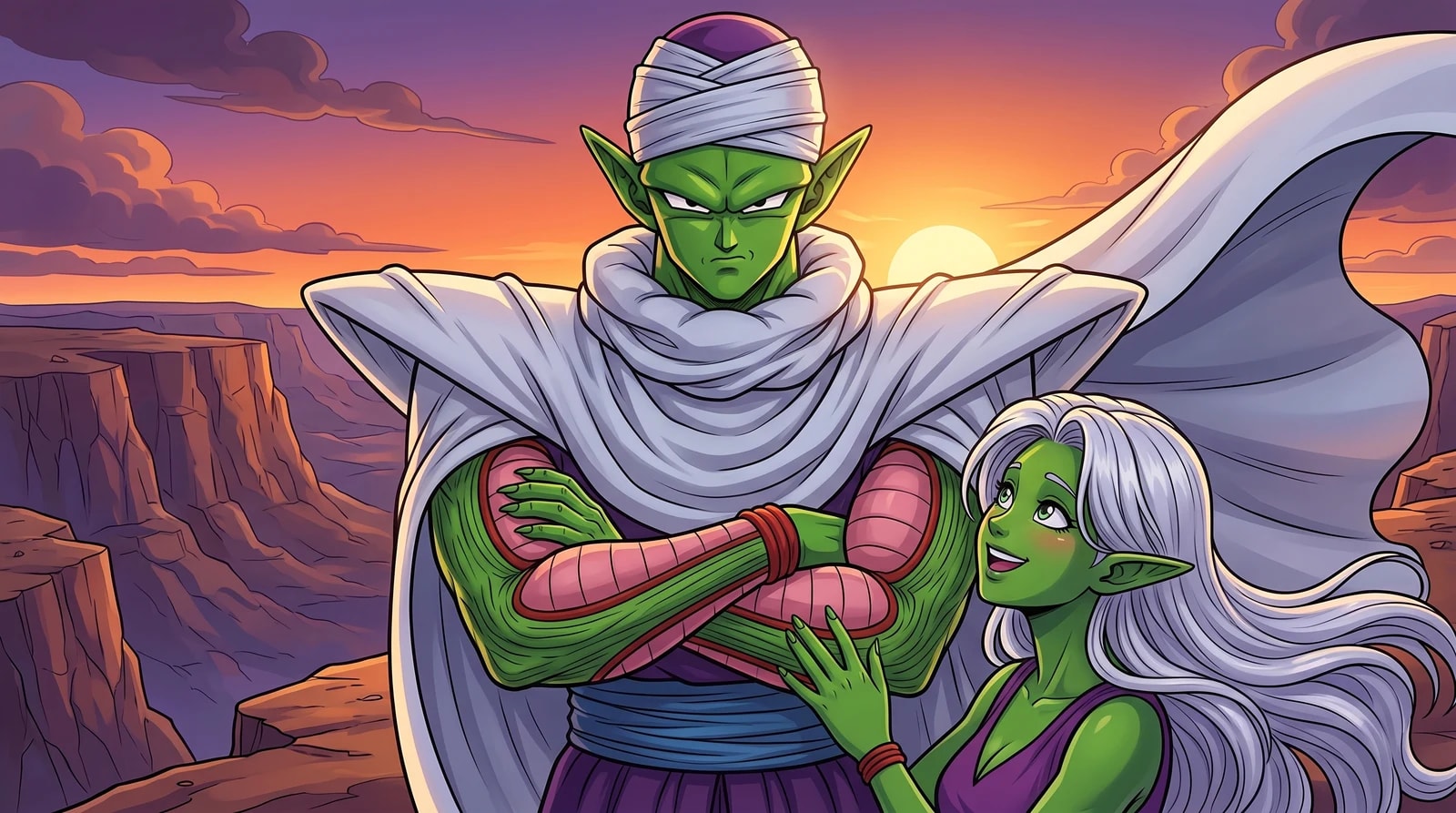
Piccolo Gets the Namek Hoes: Namek Has No Women, and He Pulls Anyway
There are no women on Namek. That isn't an oversight, it's the biology. Why we handed Piccolo the one thing his own species rules out, and why it had to be trap soul....
Frequently Asked Questions
Is Batou in love with the Major?
Ghost in the Shell never states it outright, but both the films and Stand Alone Complex float an unspoken romantic charge between Batou and the Major, Motoko Kusanagi, alongside his role as her most trusted operative and confidant.
Is Batou a full cyborg?
Yes, Batou is a full-body cyborg, one of the most heavily cybernetic members of Public Security Section 9, recognizable by his pale, metallic prosthetic eyes.
How old is Batou in Ghost in the Shell?
Batou's exact age isn't given, but records place his birth around 1988 to 1992, making him a veteran of World War IV and the Japanese Ground Self-Defense Force's elite Ranger corps before joining Section 9.
What is Batou's role in Public Security Section 9?
Batou serves as second-in-command of Public Security Section 9 and the Major's most trusted operative, a former Ranger whose tactical instincts make him one of the unit's deadliest close-quarters fighters.
What is Batou's relationship with the Tachikomas?
Batou dotes on the Tachikomas, treating them as individuals rather than interchangeable machines. The special oil he uses to tend his favorite unit even triggers a mutation that speeds up the think-tanks' growing self-awareness.
Sources & Information
Looking for more on Batou Buttetsu? The Dragon Ball Wiki on Fandom has a dedicated page with community notes.
View on FandomThis content is original writing by Daddy Jim Headquarters based on the Dragon Ball anime series, manga, and official materials. Episode and chapter references are cited where applicable.
Character and scene imagery on this site is original artwork by Daddy Jim Headquarters, not screenshots or licensed imagery. Official cover art is used on three types of pages for editorial commentary:
- Movie pages: theatrical posters and key visuals, credited to Toei Animation and Shueisha.
- Game pages: official box art, credited to Bandai Namco, Atari, and other publishers.
- Manga chapter pages: Jump Comics volume covers, credited to Shueisha and Akira Toriyama.
Official resources:
Help Us Keep This Wiki Accurate
Daddy Jim Headquarters maintains this encyclopedia. If you spot an error, a translation issue, or something that doesn't look right, let us know.