Yakuza
CharacterThe Yakuza is the umbrella name for Japan's organized crime networks, a term flexible enough to point at a lone member or an entire syndicate. Woven openly into public life, these groups blend legitimate ventures with vice and are famed for their sprawling body tattoos and rigid codes.
Overview
Yakuza is the collective label attached to the organized crime groups of Japan. The word bends to fit either a single gangster or a whole syndicate, and the phenomenon is often measured against the American Mob and the Italian crime families abroad, matching them in the reach of its operations.
Role
These outfits run a striking mixture of enterprises. Some are entirely lawful, reaching into farming and charitable causes, while others cover prostitution, narcotics, and the trafficking of weapons. What sets the Japanese version apart is how openly it works and how far the surrounding society tolerates its presence. Members are widely recognized by the sweeping, full-body patterns of irezumi tattooing, and the many clans uphold intricate rules of honor, behavior, and ceremony.

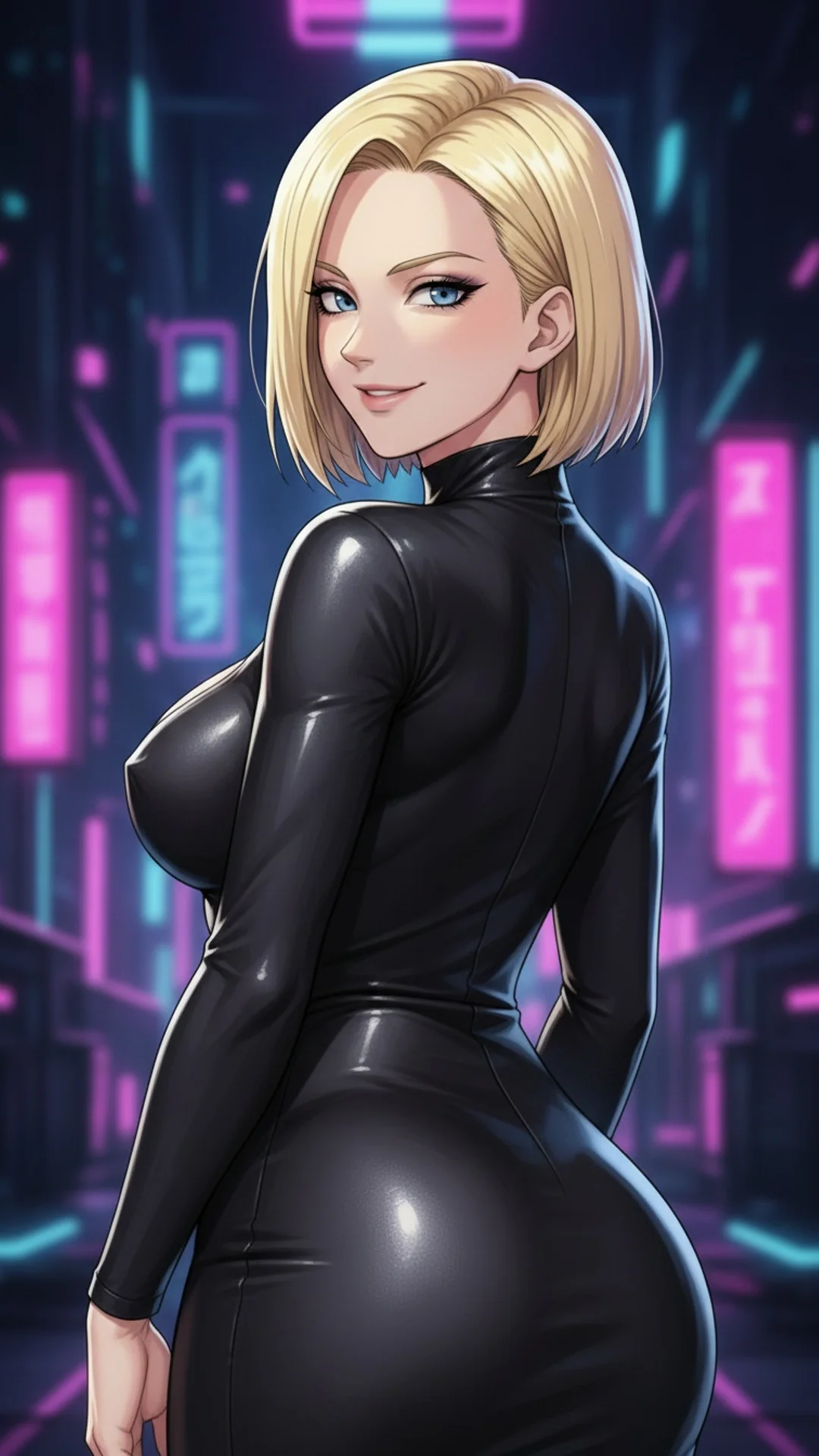
Notable Members
Numerous families trace their bloodlines deep into the feudal era of the 1700s, and a handful even claim descent from the masterless samurai remembered as Ronin. The crime world answers to other names too: Boryokudan, a harsher term favored by law enforcement, and ninkyo dentai, the phrasing preferred by admirers, supporters, and the members themselves.
Related Reading
See all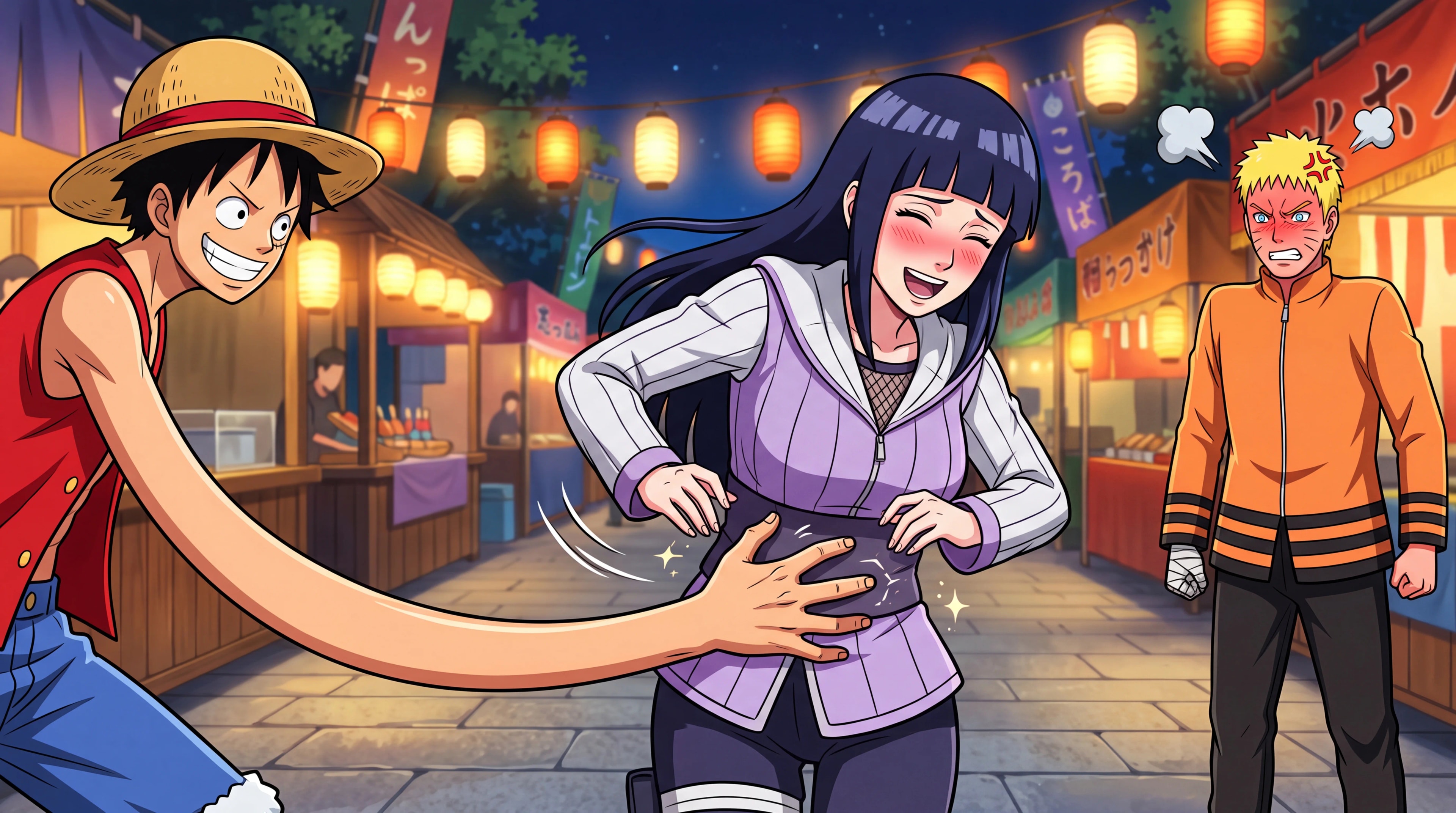
Naruto vs Luffy: Does the Fight Change if Luffy Tickles Hinata?
Naruto vs Luffy with the twist nobody asked for: Luffy tickled Hinata on date night, and she kind of liked it. We break down the whole fight and commit to a winner....
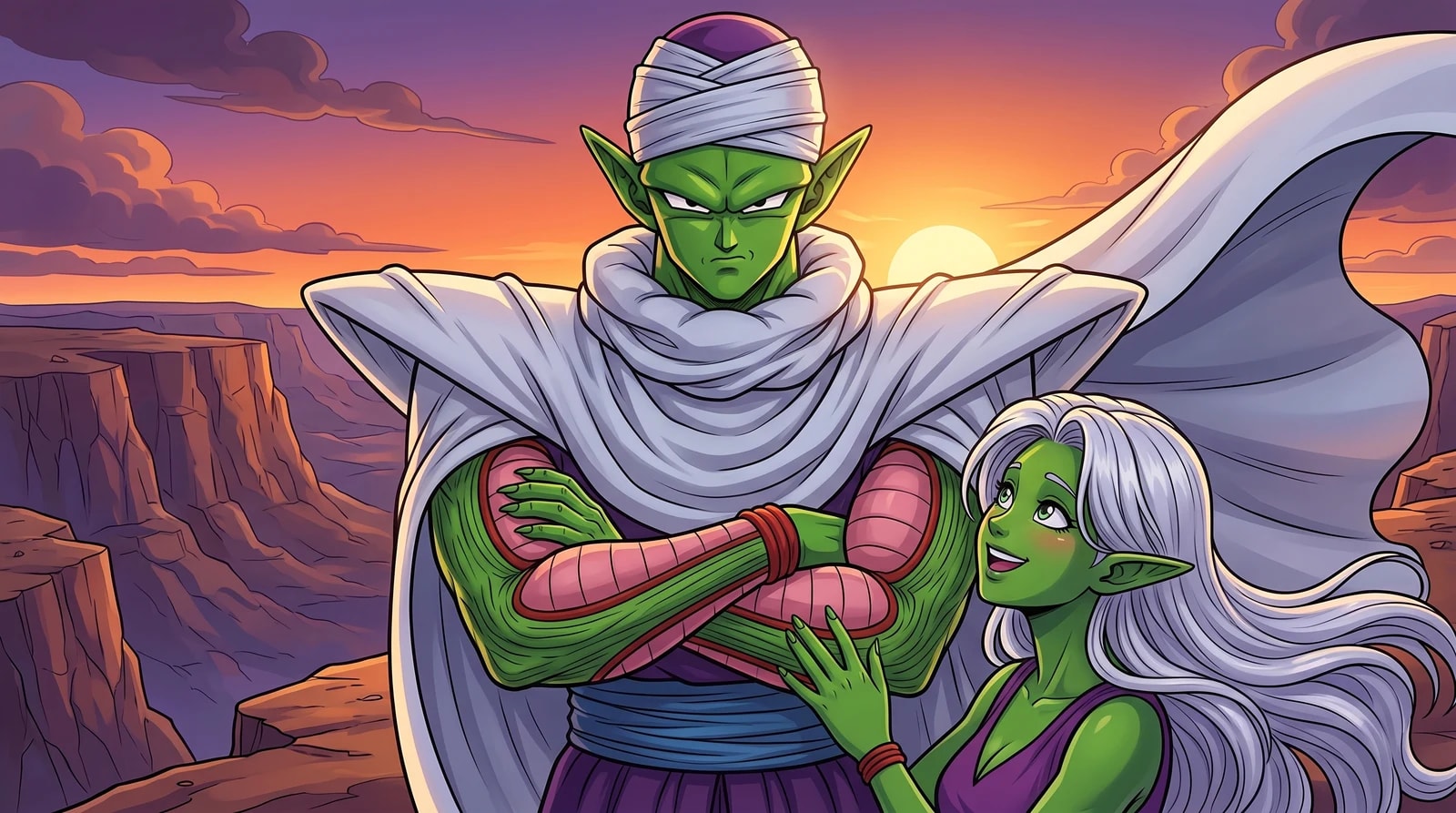
Piccolo Gets the Namek Hoes: Namek Has No Women, and He Pulls Anyway
There are no women on Namek. That isn't an oversight, it's the biology. Why we handed Piccolo the one thing his own species rules out, and why it had to be trap soul....
Frequently Asked Questions
What is the Yakuza in Ghost in the Shell?
In the Ghost in the Shell setting, the Yakuza is the collective label for Japan's organized crime networks, a term flexible enough to refer to a single gangster or an entire syndicate, often compared to the American Mob and Italian Mafia.
What are the historical roots of the Yakuza?
Many Yakuza families trace their lineage back to feudal Japan in the 1700s, and some clans even claim descent from the masterless samurai known as Ronin.
Are the Yakuza still active in Ghost in the Shell?
Yes, the Yakuza remain an active presence in the setting, running a mix of lawful ventures like farming and charity alongside illegal trades such as prostitution, narcotics, and weapons trafficking.
What are the Yakuza known for?
The Yakuza are recognized for the sweeping full-body irezumi tattoos worn by their members and for the intricate codes of honor, behavior, and ceremony their clans uphold.
What other names are used for the Yakuza?
The Yakuza are also called Boryokudan, a harsher term favored by law enforcement, and ninkyo dentai, the phrase preferred by supporters and members themselves.
Sources & Information
Looking for more on Yakuza? The Dragon Ball Wiki on Fandom has a dedicated page with community notes.
View on FandomThis content is original writing by Daddy Jim Headquarters based on the Dragon Ball anime series, manga, and official materials. Episode and chapter references are cited where applicable.
Character and scene imagery on this site is original artwork by Daddy Jim Headquarters, not screenshots or licensed imagery. Official cover art is used on three types of pages for editorial commentary:
- Movie pages: theatrical posters and key visuals, credited to Toei Animation and Shueisha.
- Game pages: official box art, credited to Bandai Namco, Atari, and other publishers.
- Manga chapter pages: Jump Comics volume covers, credited to Shueisha and Akira Toriyama.
Official resources:
Help Us Keep This Wiki Accurate
Daddy Jim Headquarters maintains this encyclopedia. If you spot an error, a translation issue, or something that doesn't look right, let us know.