Fully prosthetic
ItemBeing fully prosthetic means a person's flesh has been traded out entirely for machinery, cyberbrain included, leaving only the Ghost behind as proof of a once-human origin. Stand Alone Complex leans on the idea heavily, using its full-cyborg cast to probe what selfhood means in a wired age.
Overview
A person counts as fully prosthetic once every part of the original body, brain and all, has given way to synthetic hardware. Nothing organic remains except awareness itself, the thread of consciousness the series calls a Ghost. People in this state go by full-cyborgs, or simply fulls.
Function
The concept came into focus across the opening two seasons of Stand Alone Complex, where it anchors a running meditation on identity, communication, and where technology leaves the individual. Writers hang big questions on it, weighing idealism against materialism, and many of the show's most important figures are drawn as full-cyborgs precisely because that condition sharpens who they are.

Notable Users
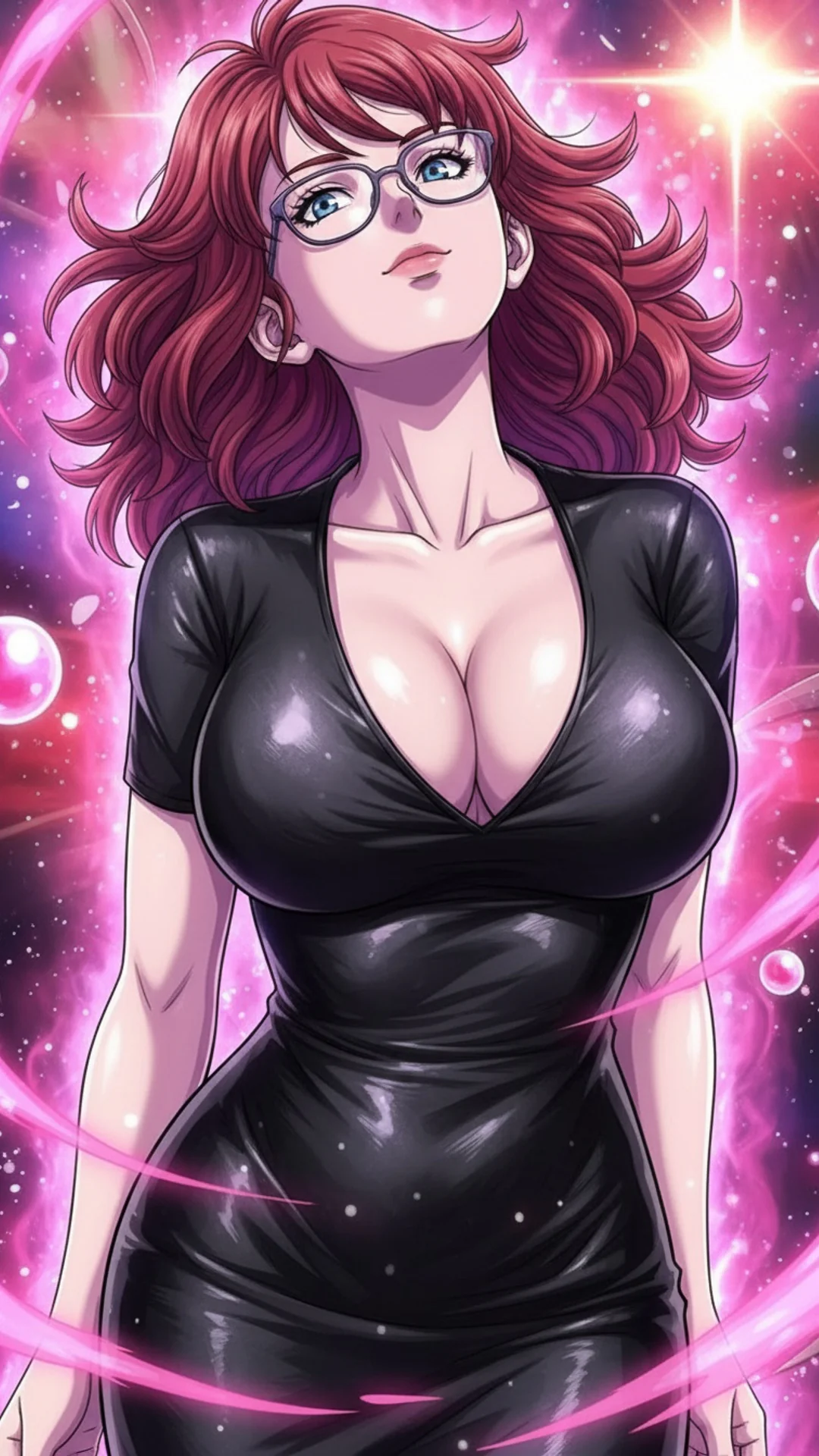
Motoko Kusanagi, who leads the cast, is the clearest example. Takeshi Kago, a smaller-scale antagonist, goes as far as inhabiting the shell of an armored vehicle. The elusive hacker and meme-maker known as the Laughing Man, tied to the figure of Aoi, is thought to belong to the same category and drives the first season from the shadows. Hideo Kuze, a onetime peacekeeping soldier turned rebel against the UN and its power brokers, moves from villain to ally across the second season, while Philip Kukushkin, a Russian engineer, narrowly survives an attempt on his life by a fellow full-cyborg from his own country.
Related Reading
See all
Naruto vs Luffy: Does the Fight Change if Luffy Tickles Hinata?
Naruto vs Luffy with the twist nobody asked for: Luffy tickled Hinata on date night, and she kind of liked it. We break down the whole fight and commit to a winner....
Piccolo Gets the Namek Hoes: Namek Has No Women, and He Pulls Anyway
There are no women on Namek. That isn't an oversight, it's the biology. Why we handed Piccolo the one thing his own species rules out, and why it had to be trap soul....
Frequently Asked Questions
What does it mean to be fully prosthetic in Ghost in the Shell?
Being fully prosthetic means every part of a person's original body, including the brain, has been replaced by synthetic hardware, leaving only the Ghost, or consciousness, as proof of a once-human origin.
What are full-cyborgs also called in Ghost in the Shell?
People who are fully prosthetic are also called full-cyborgs, or simply fulls.
Who is the most well known fully prosthetic character?
Motoko Kusanagi, who leads the cast of Stand Alone Complex, is the clearest example of a fully prosthetic character, or full-cyborg.
Which characters in Stand Alone Complex are full-cyborgs?
Full-cyborgs in Stand Alone Complex include Motoko Kusanagi, the antagonist Takeshi Kago, the hacker known as the Laughing Man, the former soldier Hideo Kuze, and the Russian engineer Philip Kukushkin.
Why does Stand Alone Complex focus on fully prosthetic characters?
Stand Alone Complex uses full-cyborg characters to anchor a running meditation on identity, communication, and where technology leaves the individual, weighing idealism against materialism through figures whose condition sharpens who they are.
Sources & Information
Looking for more on Fully prosthetic? The Dragon Ball Wiki on Fandom has a dedicated page with community notes.
View on FandomThis content is original writing by Daddy Jim Headquarters based on the Dragon Ball anime series, manga, and official materials. Episode and chapter references are cited where applicable.
Character and scene imagery on this site is original artwork by Daddy Jim Headquarters, not screenshots or licensed imagery. Official cover art is used on three types of pages for editorial commentary:
- Movie pages: theatrical posters and key visuals, credited to Toei Animation and Shueisha.
- Game pages: official box art, credited to Bandai Namco, Atari, and other publishers.
- Manga chapter pages: Jump Comics volume covers, credited to Shueisha and Akira Toriyama.
Official resources:
Help Us Keep This Wiki Accurate
Daddy Jim Headquarters maintains this encyclopedia. If you spot an error, a translation issue, or something that doesn't look right, let us know.