Mecha
ItemMecha saturate the world of Ghost in the Shell, swinging between hero and villain roles while carrying Masamune Shirow's philosophical themes. They range from spider-legged think tanks to armored suits and cyborg walkers, and most of the recurring designs come from one invented manufacturer, Kenbishi Industries.
Overview
Machines of every build crowd the world of Ghost in the Shell, and the hardware seldom just decorates a scene. It trades off between protagonist and antagonist duty while serving as a vehicle for Masamune Shirow's ideas and foreshadowing. Across the series he applies the umbrella slang think tank to any AI-driven robotic weapons platform, and most such units, together with gear like the Jigabachi gunships, issue from an invented firm named Kenbishi Industries. Their typical silhouette leans arachnid: four to six legs, a set of front manipulators, and a body built in segments.

Function
The compact think tanks form one closely related family. From the manga comes the Fuchikoma, a four-legged machine that can roll on wheels or balance on its two arms, seats a single rider, and backs up operatives on its own through built-in intelligence, though copyright trouble kept it off screen until a PlayStation title finally animated it. Stand Alone Complex puts the Tachikoma front and center, upgrading it with keener AI, active camouflage, paired manipulator arms, and a grenade launcher, while the green hybrid Uchikoma turns up later across 2nd GIG and Solid State Society. The heavier tanks run larger and deadlier: the six-legged T08A2 of the 1995 film, the scorpion-shaped HAW206 that headlines an early SAC episode, the stilt-tracked EW-205, and a jackhammer-snouted construction mecha that menaces Motoko in Human-Error Processor and Solid State Society. Separate from the tanks sit the arm suits, among them the four-armed GSDF Type 24 and the thickly plated, camouflage-fitted MSDF Type 303 that laughs off small-arms fire.


Notable Users
Several of the frames house living cyborgs. The Jameson-type debuts in the manga as an unremarkable four-legged, two-armed box; inside sits the cyberbrain, together with the spinal cord, of the man heading Hanka Precision Instruments, and later versions recur through the anime and the Tachikomatic Days shorts. Section 9's first mechanical hurdle in the manga is an illegally altered Type 2033 security cyborg, and Solid State Society introduces biped security cyborgs sporting bare human heads over horse-like hind legs. On the non-combat side, Motoko keeps a troop of small named decoy drones, Conan, Max, Rocky, Musashi and the others, that serve her much as the Tachikoma do; she also fields robotic bees in Human-Error Processor and pursues remotely operated inspection submarines in Man/Machine Interface. Finally, the wasp-named ATH-29 Jigabachi and its self-directing Jigabachi AV cousin are attack helicopters whose tails mount a Gatling gun, with missile launchers rounding out the armament, patrolling both seasons of Stand Alone Complex.
Related Reading
See all
Naruto vs Luffy: Does the Fight Change if Luffy Tickles Hinata?
Naruto vs Luffy with the twist nobody asked for: Luffy tickled Hinata on date night, and she kind of liked it. We break down the whole fight and commit to a winner....
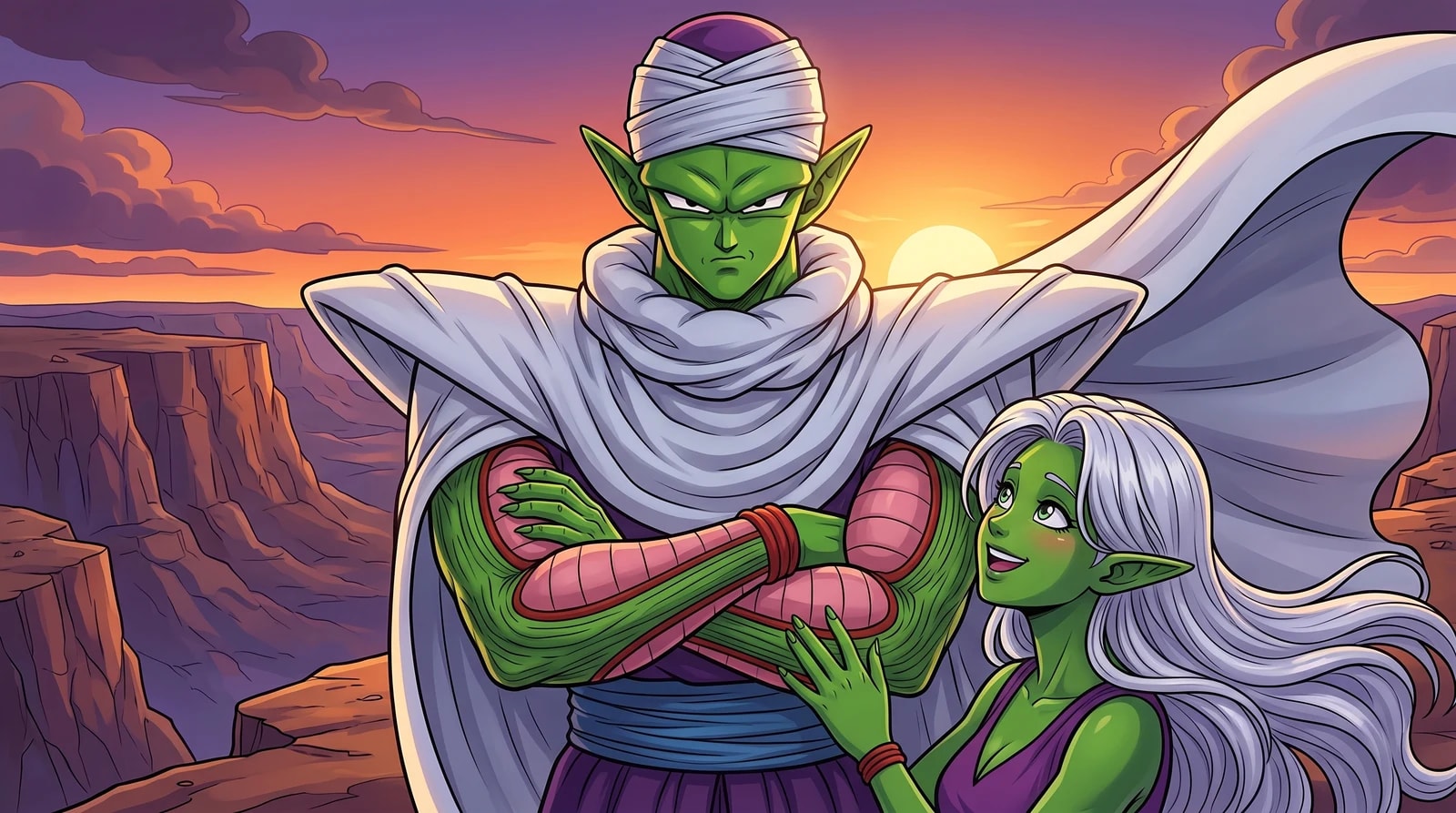
Piccolo Gets the Namek Hoes: Namek Has No Women, and He Pulls Anyway
There are no women on Namek. That isn't an oversight, it's the biology. Why we handed Piccolo the one thing his own species rules out, and why it had to be trap soul....


Frequently Asked Questions
Is Ghost in the Shell a mecha?
Mecha such as walker tanks, armored suits, and cyborg machines appear throughout Ghost in the Shell, but the franchise is generally classified as cyberpunk rather than a traditional mecha series. Machines like the Tachikoma serve as recurring vehicles for the story's ideas rather than the show's core focus.
What are the robots called in Ghost in the Shell?
In Ghost in the Shell, AI-driven robotic weapons platforms are commonly called think tanks, an umbrella term applied across the series. Most of these machines, along with other hardware like the Jigabachi gunships, come from the fictional manufacturer Kenbishi Industries.
What is the most iconic mecha in Ghost in the Shell?
The Tachikoma, a spider-legged think tank introduced in Stand Alone Complex, stands out as one of the most recognizable mecha in Ghost in the Shell. It rolls on wheeled legs and mounts active camouflage, paired manipulator arms, and a grenade launcher.
What company builds most of the mecha in Ghost in the Shell?
Most of the recurring mecha designs in Ghost in the Shell, including the compact think tanks and Jigabachi gunships, come from the invented manufacturer Kenbishi Industries. Their typical build follows an arachnid layout with four to six legs, front manipulators, and a segmented body.
Are any mecha in Ghost in the Shell piloted by living cyborgs?
Yes, several Ghost in the Shell mecha house living cyborgs, such as the Jameson-type frame that carries the cyberbrain and spinal cord of the head of Hanka Precision Instruments. Solid State Society also introduces biped security cyborgs with bare human heads set atop horse-like hind legs.
Sources & Information
Looking for more on Mecha? The Dragon Ball Wiki on Fandom has a dedicated page with community notes.
View on FandomThis content is original writing by Daddy Jim Headquarters based on the Dragon Ball anime series, manga, and official materials. Episode and chapter references are cited where applicable.
Character and scene imagery on this site is original artwork by Daddy Jim Headquarters, not screenshots or licensed imagery. Official cover art is used on three types of pages for editorial commentary:
- Movie pages: theatrical posters and key visuals, credited to Toei Animation and Shueisha.
- Game pages: official box art, credited to Bandai Namco, Atari, and other publishers.
- Manga chapter pages: Jump Comics volume covers, credited to Shueisha and Akira Toriyama.
Official resources:
Help Us Keep This Wiki Accurate
Daddy Jim Headquarters maintains this encyclopedia. If you spot an error, a translation issue, or something that doesn't look right, let us know.