MicroMachined Rice
ItemMicroMachined Rice, or MM-rice, is grain engineered with micromachine technology to yield far more than ordinary crops. Cheap, hardy, and productive, it eased the world's hunger problem, though the patents behind it sparked bitter disputes and even terrorism.
Overview
MicroMachined Rice, usually shortened to MM-rice, puts micromachine technology, better known for building cyberbrains and prosthetic bodies, to work on farming instead. The approach proved inexpensive and reliable, turning genuinely high-yield crops into reality and taking pressure off the global food supply.
Function
People first recoiled at the thought of machines inside their food, yet the grain caught on quickly in Japan, where farmland is scarce, and wartime demand for calories pushed its refinement forward with government backing. The standout strain, Rikuu-132, is prized as a versatile, heavy-yielding rice that endures short sunlight, little water, and cold snaps that would ruin lesser crops. Its spread is widely credited with solving the world's hunger crisis.


Notable Users
Rikuu-132 originated in the Tohoka Autonomous Region, developed by a scientist named Yazawa. After his death the Japanese government, acting on orders from the Minister of Agriculture, Forestry, and Fisheries, moved to claim patent rights over the strain, a grab the region's residents rejected outright. They deny Japan any authority over them but found no traction with a UN that will not acknowledge their status, and some of the more militant among them turned to terrorism to force the issue. Meanwhile rising patent fees, worries over improperly distributed produce, and calls to loosen or copyleft the technology have kept the politics of MM agriculture contentious.
Related Reading
See all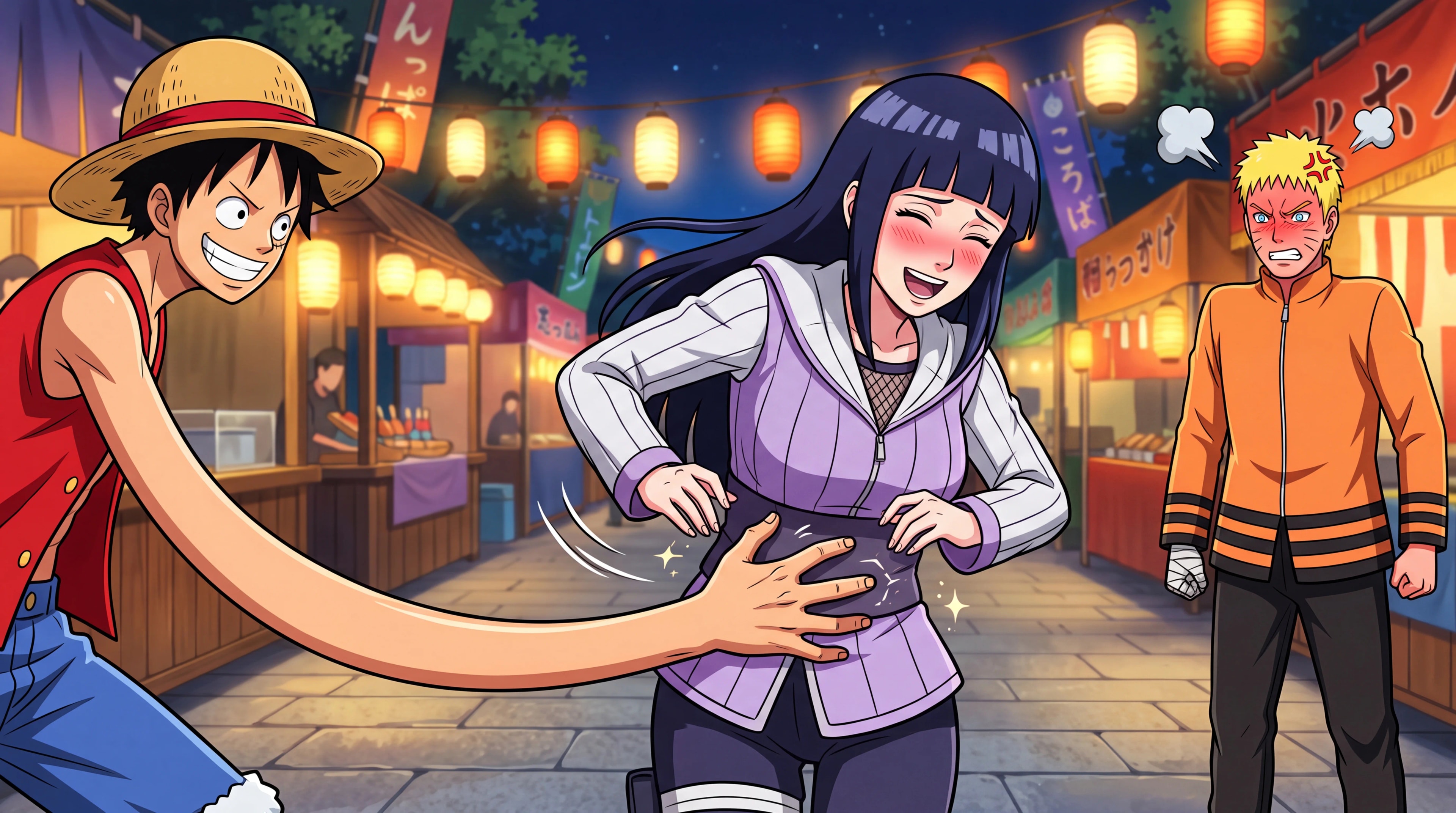
Naruto vs Luffy: Does the Fight Change if Luffy Tickles Hinata?
Naruto vs Luffy with the twist nobody asked for: Luffy tickled Hinata on date night, and she kind of liked it. We break down the whole fight and commit to a winner....
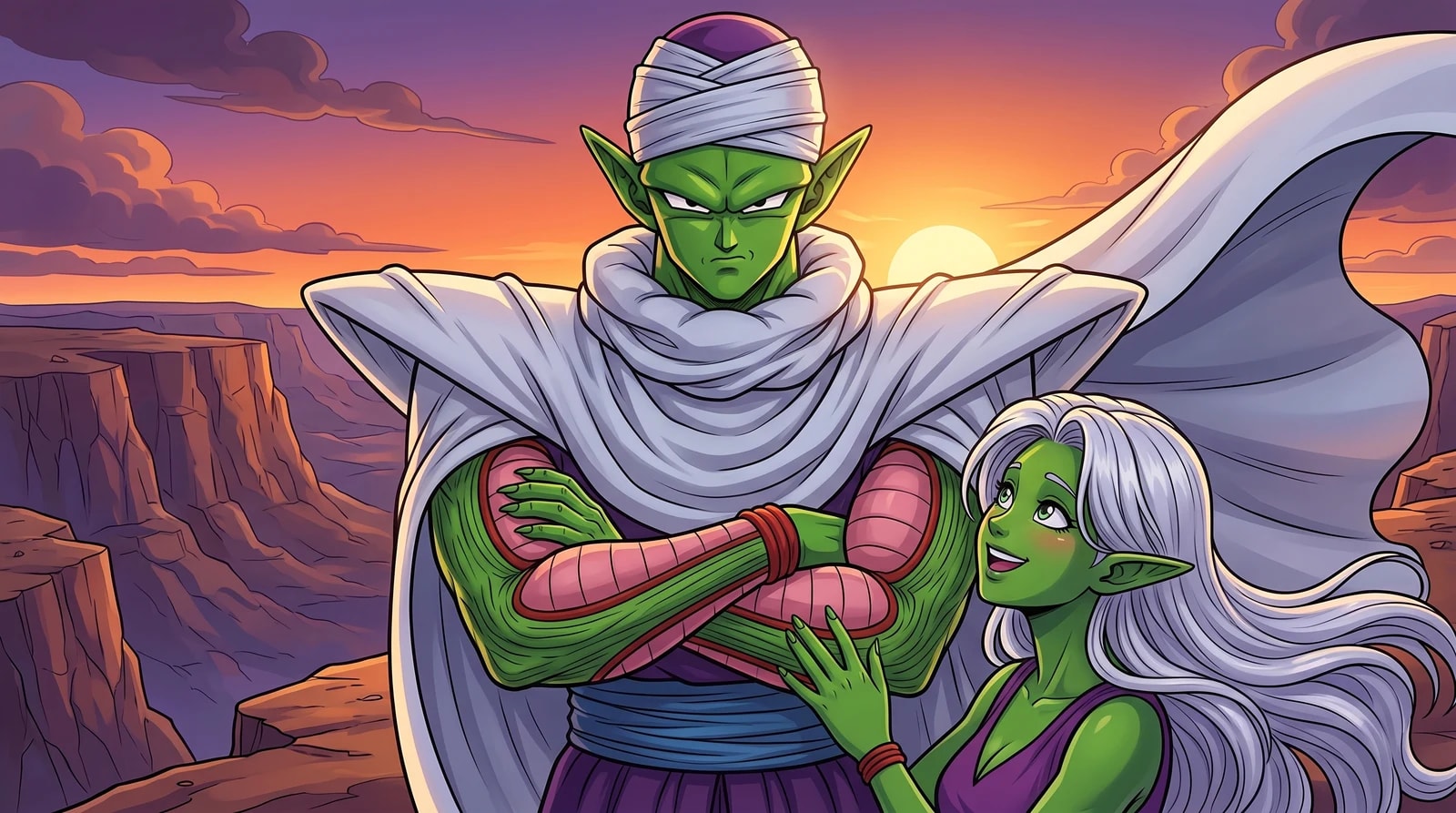
Piccolo Gets the Namek Hoes: Namek Has No Women, and He Pulls Anyway
There are no women on Namek. That isn't an oversight, it's the biology. Why we handed Piccolo the one thing his own species rules out, and why it had to be trap soul....
Frequently Asked Questions
What is MicroMachined Rice in Ghost in the Shell?
MicroMachined Rice, or MM-rice, is grain engineered with micromachine technology to produce far higher yields than ordinary crops. It is cheap and hardy, and its spread is credited with easing the world's hunger crisis in the Ghost in the Shell setting.
What is Rikuu-132?
Rikuu-132 is the standout strain of MicroMachined Rice, prized for its versatility and heavy yield even under short sunlight, little water, and cold snaps that would ruin ordinary crops. It originated in the Tohoka Autonomous Region, developed by a scientist named Yazawa.
Why is MicroMachined Rice controversial?
After Rikuu-132's creator Yazawa died, the Japanese government moved to claim patent rights over the strain, a decision the Tohoka Autonomous Region's residents rejected. The dispute, combined with rising patent fees and calls to loosen the technology, pushed some of the region's more militant residents toward terrorism.
How does MicroMachined Rice relate to micromachine technology?
MicroMachined Rice applies micromachine technology, more commonly used to build cyberbrains and prosthetic bodies, to farming instead. This adaptation made genuinely high-yield crops possible and proved cheap and reliable compared to older methods.
Where did MicroMachined Rice first catch on?
MicroMachined Rice caught on quickly in Japan, where farmland is scarce, and wartime demand for calories pushed government-backed refinement of the technology. Although people initially recoiled at the idea of machines in their food, the crop's reliability won them over.
Sources & Information
Looking for more on MicroMachined Rice? The Dragon Ball Wiki on Fandom has a dedicated page with community notes.
View on FandomThis content is original writing by Daddy Jim Headquarters based on the Dragon Ball anime series, manga, and official materials. Episode and chapter references are cited where applicable.
Character and scene imagery on this site is original artwork by Daddy Jim Headquarters, not screenshots or licensed imagery. Official cover art is used on three types of pages for editorial commentary:
- Movie pages: theatrical posters and key visuals, credited to Toei Animation and Shueisha.
- Game pages: official box art, credited to Bandai Namco, Atari, and other publishers.
- Manga chapter pages: Jump Comics volume covers, credited to Shueisha and Akira Toriyama.
Official resources:
Help Us Keep This Wiki Accurate
Daddy Jim Headquarters maintains this encyclopedia. If you spot an error, a translation issue, or something that doesn't look right, let us know.