Technology
ItemGhost in the Shell plays out in a future transformed by breakthroughs spanning prosthetics and bionics, engineered biology, robotics, machine intelligence, and the cybernetics that fuse mind to hardware. The whole setting boils down most easily to cyberpunk, a world where flesh and circuitry blur at nearly every turn.
Overview
The series rests on a thick layer of speculative science, covering rebuilt and augmented bodies, reshaped biology, and machines that think for themselves. Instead of handling each discipline separately, it folds them into a single cyberpunk world, one where enhancement is routine and the boundary between person and machine has all but disappeared.

Function
A few core systems anchor the technology. The Cyberbrain is a human brain strengthened with electronic parts wired physically into it, an enhancement so routine that most people carry at least this baseline, though it stays off-limits to children whose brains are still maturing. Servicing those cyborg brains falls to skilled technicians called Psymechs. Among the machines, the Tachikoma stands out, a spider-type multi-legged combat vehicle guided by its own AI that doubles as both a transport and a weapons platform across the manga and the Stand Alone Complex continuity. Past these, a wide assortment of mecha fills the world, some serving as military hardware and the rest filling civilian roles.


Notable Users
These systems run through the entire society of the setting rather than belonging to one group alone. Ordinary citizens depend on cyberbrain augmentation as a matter of course, while specialists such as Psymechs keep the equipment in order. Top-tier outfits like Public Security Section 9 wield the most sophisticated examples, from AI walker tanks to varied mecha, bringing the technology's cutting edge into the field.
Related Reading
See all
Naruto vs Luffy: Does the Fight Change if Luffy Tickles Hinata?
Naruto vs Luffy with the twist nobody asked for: Luffy tickled Hinata on date night, and she kind of liked it. We break down the whole fight and commit to a winner....
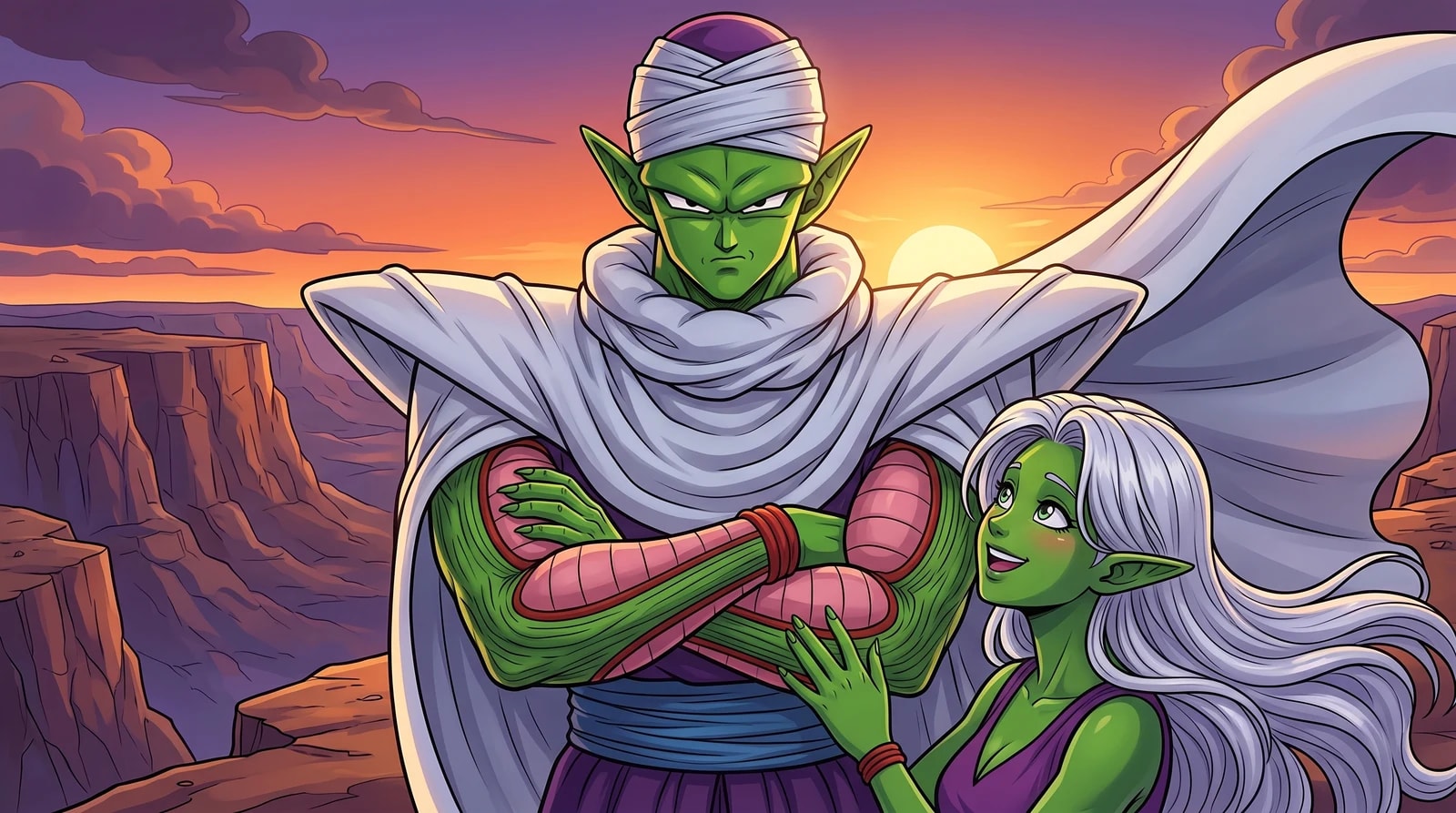
Piccolo Gets the Namek Hoes: Namek Has No Women, and He Pulls Anyway
There are no women on Namek. That isn't an oversight, it's the biology. Why we handed Piccolo the one thing his own species rules out, and why it had to be trap soul....

Frequently Asked Questions
What technology is used in Ghost in the Shell 1995?
Ghost in the Shell's technology centers on cyberbrains, human brains wired directly to electronic parts, along with full prosthetic bodies and self-directed machines like the AI walker tank the Tachikoma. These core technologies run through the franchise's continuity, including the original 1995 film.
What is a Cyberbrain in the Ghost in the Shell technology system?
A Cyberbrain is a human brain strengthened with electronic parts wired physically into it, an enhancement so routine that most people carry at least this baseline. It remains off-limits to children whose brains are still maturing.
Who maintains cyberbrains in the Ghost in the Shell world?
Skilled technicians called Psymechs service and maintain cyborg brains throughout the Ghost in the Shell setting. They combine the duties of a doctor and a cyborg engineer to keep the technology in working order.
What genre best describes Ghost in the Shell's technology-driven setting?
Ghost in the Shell's blend of rebuilt bodies, reshaped biology, and self-directed machines folds most easily into the cyberpunk genre. Enhancement is routine in this world, and the line between person and machine has all but disappeared.
Which organizations use the most advanced technology in Ghost in the Shell?
Top-tier outfits like Public Security Section 9 wield the most sophisticated technology in Ghost in the Shell, from AI walker tanks like the Tachikoma to a wide range of other mecha. Ordinary citizens, by contrast, mostly rely on standard cyberbrain augmentation.
Sources & Information
Looking for more on Technology? The Dragon Ball Wiki on Fandom has a dedicated page with community notes.
View on FandomThis content is original writing by Daddy Jim Headquarters based on the Dragon Ball anime series, manga, and official materials. Episode and chapter references are cited where applicable.
Character and scene imagery on this site is original artwork by Daddy Jim Headquarters, not screenshots or licensed imagery. Official cover art is used on three types of pages for editorial commentary:
- Movie pages: theatrical posters and key visuals, credited to Toei Animation and Shueisha.
- Game pages: official box art, credited to Bandai Namco, Atari, and other publishers.
- Manga chapter pages: Jump Comics volume covers, credited to Shueisha and Akira Toriyama.
Official resources:
Help Us Keep This Wiki Accurate
Daddy Jim Headquarters maintains this encyclopedia. If you spot an error, a translation issue, or something that doesn't look right, let us know.