Ghost in the Shell: S.A.C. Solid State Society
MovieA 2006 television feature in the Stand Alone Complex line, directed by Kenji Kamiyama. Set in 2034, it follows a reshaped Section 9 under Togusa as the team unravels a wave of suicides and child abductions tied to an elusive hacker known as the Puppeteer.
Overview
Solid State Society is a 2006 television anime film belonging to the Stand Alone Complex branch of the franchise, itself rooted in Masamune Shirow's manga. Production I.G made it, Kenji Kamiyama directed, and Yoko Kanno scored the roughly 105-minute picture. To lend it a theatrical polish, it debuted on Japan's satellite pay-per-view before rolling out to broadcast and home video.

Plot
The year is 2034, two years on from the events of 2nd GIG. Major Kusanagi has walked away from Public Security Section 9, leaving Togusa to run a field team that has grown to some twenty operatives. The unit is drawn into a cluster of suicides among former agents of the disbanded Siak Republic, and one name keeps surfacing: Kugutsu Mawashi, rendered as the Puppeteer. Their digging exposes a micromachine virus revenge scheme and, beneath it, a far larger horror. Thousands of kidnapped children have been reassigned to bedridden Noble Rot elderly wired into the national healthcare network, part of a conspiracy spanning more than twenty thousand unreported abductions.
Batou crosses paths with the Major during his own inquiry, and she warns him to keep clear of the Solid State Society, leaving him wondering whether she herself is the Puppeteer. In truth she has been chasing the abduction network alone since leaving the unit, and she quietly sets Togusa up as bait to draw the culprit out. The thread finally points to a system designer, Takaaki Koshiki, who claims authorship of the whole apparatus and then shoots himself, only to hack the Major from inside his failing cyberbrain. Presenting himself as a kind of vanishing mediator born from a collective consciousness, he leaves the Puppeteer's real identity unresolved. The film closes on the Major echoing the series' signature reflection on how vast and boundless the net has become.



Reception
The feature premiered on the Japanese satellite platform SKY PerfecTV on September 1, 2006, later airing on the Animax network and arriving on DVD that November. Bandai Entertainment and Manga Entertainment handled the American release in July 2007, and the Sci Fi Channel used it to launch its Ani-Monday block that June, choosing to broadcast the original footage with its nudity blurred. Yoko Kanno's soundtrack opens with "player" by Origa featuring Heartsdales and closes with her "date of rebirth." The production carried a budget of roughly 360 million yen, about 3.2 million US dollars.
Related Reading
See all
Naruto vs Luffy: Does the Fight Change if Luffy Tickles Hinata?
Naruto vs Luffy with the twist nobody asked for: Luffy tickled Hinata on date night, and she kind of liked it. We break down the whole fight and commit to a winner....
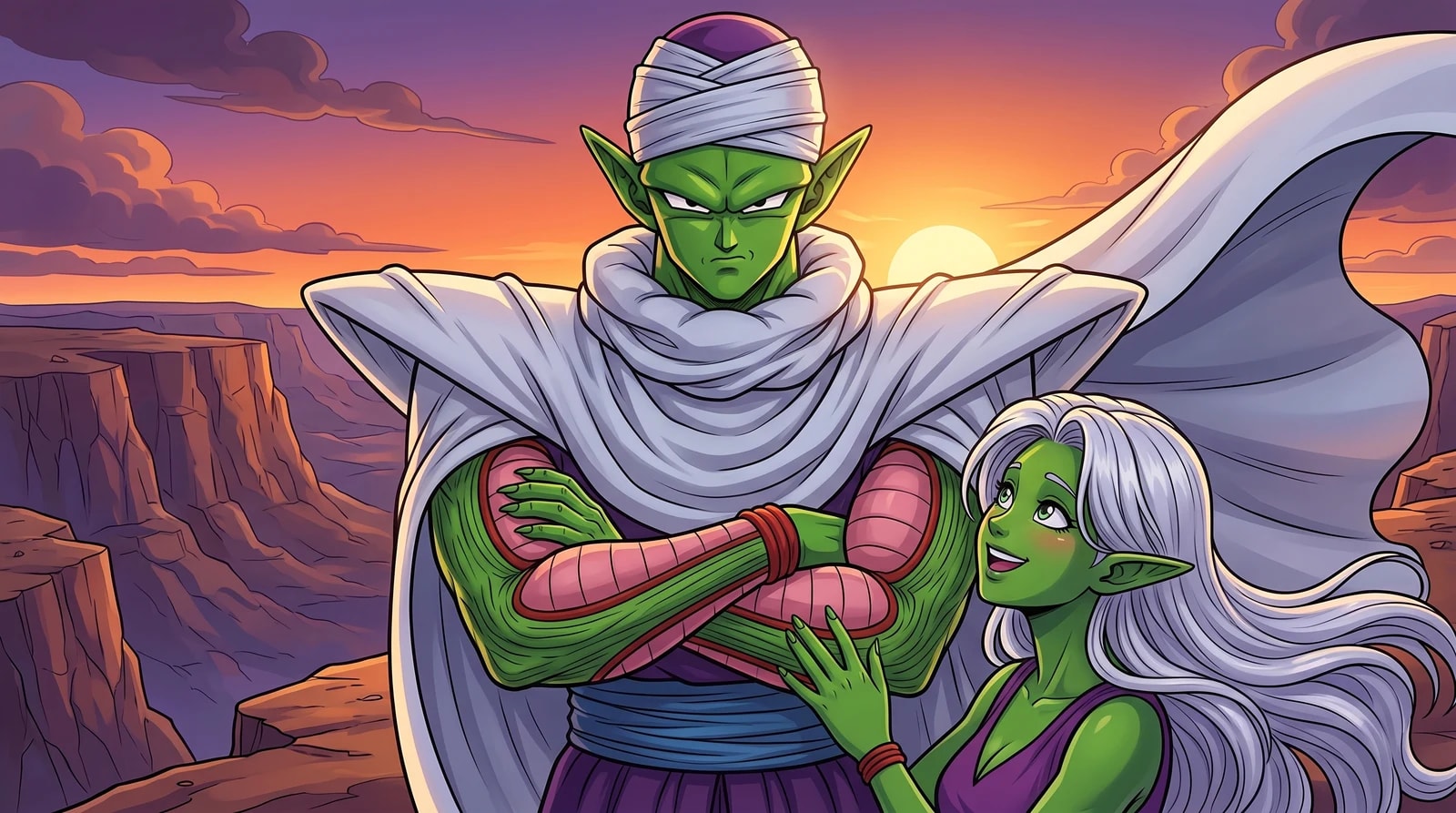
Piccolo Gets the Namek Hoes: Namek Has No Women, and He Pulls Anyway
There are no women on Namek. That isn't an oversight, it's the biology. Why we handed Piccolo the one thing his own species rules out, and why it had to be trap soul....

Frequently Asked Questions
What is Ghost in the Shell: S.A.C. Solid State Society about?
Solid State Society is set in 2034, two years after the events of 2nd GIG, and follows Togusa leading a Section 9 field team investigating suicides and child abductions tied to a hacker known as the Puppeteer.
Who directed Solid State Society?
Solid State Society was directed by Kenji Kamiyama, with music by Yoko Kanno and animation by Production I.G.
Why has Major Kusanagi left Section 9 in Solid State Society?
In Solid State Society, Major Kusanagi has walked away from Public Security Section 9, and she is secretly chasing the child abduction network alone, later using Togusa as bait to draw out the culprit.
Who is the Puppeteer in Solid State Society?
The Puppeteer's true identity in Solid State Society is left unresolved. System designer Takaaki Koshiki claims authorship of the abduction scheme before shooting himself and hacking the Major from his failing cyberbrain.
When was Solid State Society released?
Solid State Society premiered on the Japanese satellite platform SKY PerfecTV on September 1, 2006, and reached the United States and Canada on July 3, 2007.
Sources & Information
Looking for more on Ghost in the Shell: S.A.C. Solid State Society? The Dragon Ball Wiki on Fandom has a dedicated page with community notes.
View on FandomThis content is original writing by Daddy Jim Headquarters based on the Dragon Ball anime series, manga, and official materials. Episode and chapter references are cited where applicable.
Character and scene imagery on this site is original artwork by Daddy Jim Headquarters, not screenshots or licensed imagery. Official cover art is used on three types of pages for editorial commentary:
- Movie pages: theatrical posters and key visuals, credited to Toei Animation and Shueisha.
- Game pages: official box art, credited to Bandai Namco, Atari, and other publishers.
- Manga chapter pages: Jump Comics volume covers, credited to Shueisha and Akira Toriyama.
Official resources:
Help Us Keep This Wiki Accurate
Daddy Jim Headquarters maintains this encyclopedia. If you spot an error, a translation issue, or something that doesn't look right, let us know.