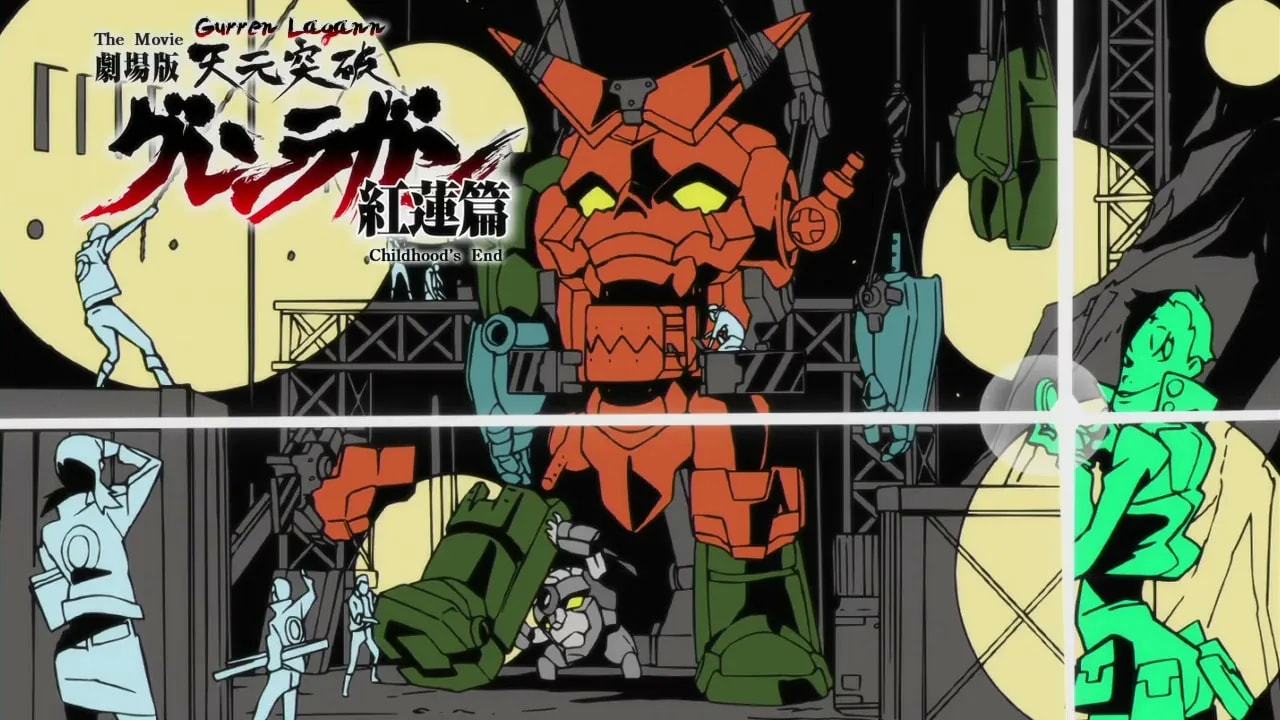
Gurren Lagann The Movie: Childhood's End
MovieChildhood's End, or Gurren-hen, is the first Gurren Lagann feature film, compressing the anime's opening half into a theatrical retelling. It follows Simon and Kamina from the depths of Giha Village into the war against the Beastmen, through Kamina's death and Simon's rebirth as leader of Team Dai-Gurren.
Overview
Gurren Lagann The Movie: Childhood's End, released in Japan as Gekijōban Tengen Toppa Gurren Lagann: Gurren-hen (the Crimson Lotus Chapter), is the first film in the Tengen Toppa Gurren Lagann series. It reworks episodes 1 through 11 of the television anime into a single feature, folding in material from episodes 12 through 14 to tighten the story. A prologue built from Parallel Works episode 8, narrated in turns by the Anti-Spiral and Lordgenome, recounts how the Spiral races fell and how the Spiral King and his Beastmen rose before the title card appears.
Plot
Simon, a digger from the underground village of Giha, unearths a small drill-shaped key and a buried mecha head. Alongside his sworn brother Kamina and Yoko Littner, a rifle-toting girl from the neighboring pit of Littner, he pilots the machine, dubbed Lagann, and drills the group up to the surface. There they steal a Beastman Gunman that is refitted into Gurren, and Kamina discovers that Lagann can fuse with it to form Gurren Lagann. Repeated victories over the Beastman commander Viral inspire other humans to hijack Gunmen of their own, and the swelling rebellion christens itself Team Dai-Gurren.
During the operation to capture the walking fortress Dai-Gunzan, General Thymilph runs Kamina through. Refusing to fall, Kamina combines with Simon one final time and wipes out the general with a Giga Drill Break before dying with the words 'Later, buddy'. Simon spirals into despair until, in the depths of a ravine, he opens a discarded box holding Nia, a gentle girl who proves to be the daughter of Spiral King Lordgenome, thrown away by her own father.
The three surviving Supreme Generals, Adiane, Cytomander, and Guame, join Viral's new Dai-Gun in a coordinated strike meant to execute Nia before a worldwide broadcast and crush the rebellion's spirit. Scaling Cytomander's Gunman bare-handed to reach her, Simon rediscovers his resolve, proclaims himself Simon the Digger rather than a stand-in for his brother, and annihilates Cytomander with a Giga Drill Break. Yoko defeats Adiane in a duel on the burning deck, and the whole team channels its firepower into a single drill that pierces all four combined Dai-Guns, destroying Guame and Adiane. Viral alone crawls from the wreckage, swearing vengeance. At Kamina's grave, Simon accepts leadership of Team Dai-Gurren and welcomes Nia as its newest member, while in Teppelin, Lordgenome calmly notes that the boy has yet to learn true fear.



Reception
The Japanese DVD edition packaged the film with Otoko Do-ahou! Gurren Lagann, the middle chapter of the Otoko Series of shorts. The English title borrows from Arthur C. Clarke's famous novel, a book the creators of Evangelion acknowledged as an influence, while Gurren-hen doubles as wordplay on the name Kamina gave his Gunman.
Rather than replaying the television episodes outright, the film restages them as mirrored reflections. Attentive viewers can spot a young Guinble Kite among the crowds watching the Do-Ten-Kai-Zan fall, and the animals surrounding the young Lordgenome in the prologue, a turtle, a bird, a scorpion, and a small gorilla, appear to prefigure the Four Supreme Generals, with Pikachu and Mew hidden among them. The official DVD subtitles also misprint a line of the closing song Continuous World, repeating 'your everything' where Shoko Nakagawa sings 'my everything'.
Related Reading
See all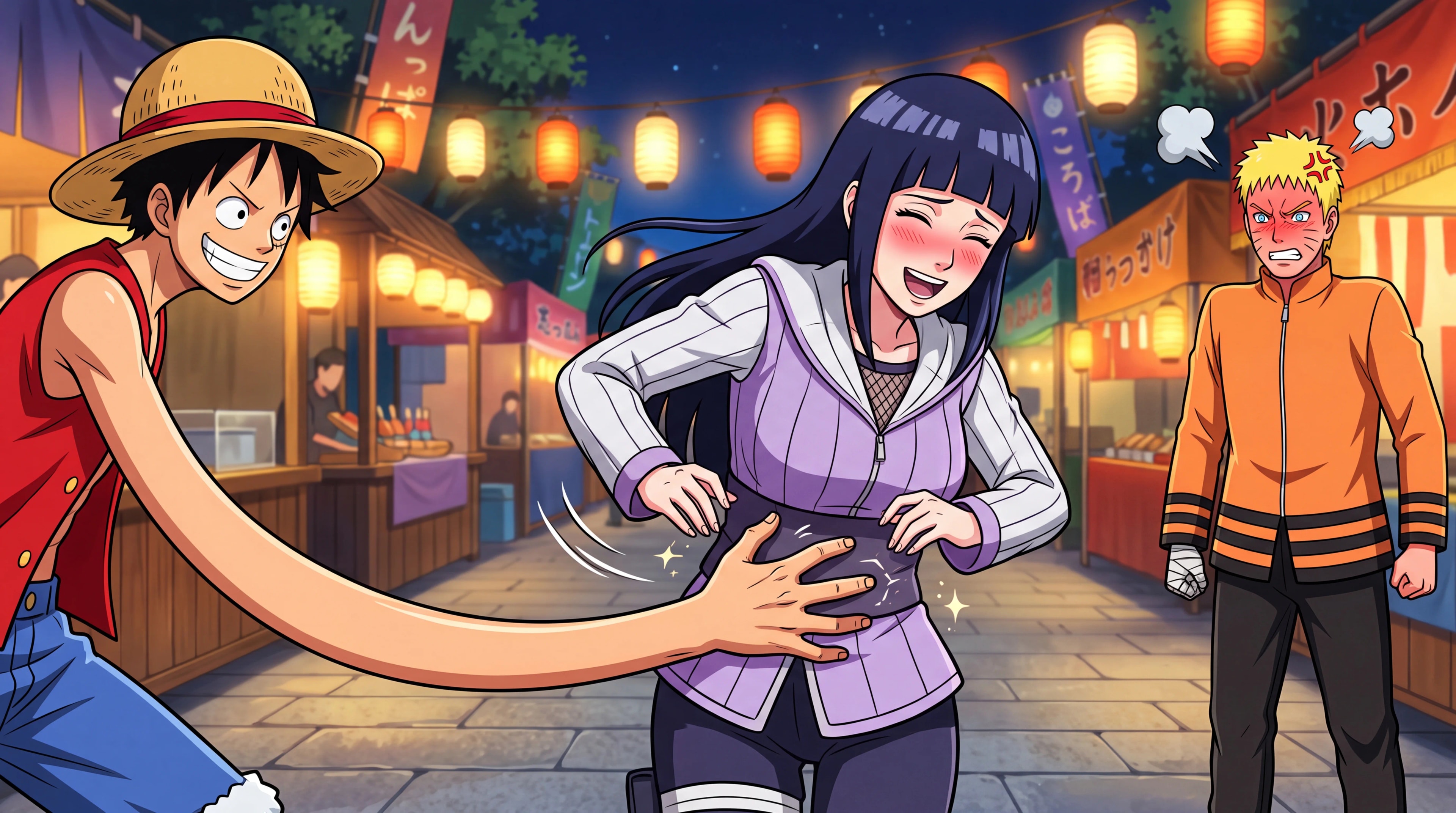
Naruto vs Luffy: Does the Fight Change if Luffy Tickles Hinata?
Naruto vs Luffy with the twist nobody asked for: Luffy tickled Hinata on date night, and she kind of liked it. We break down the whole fight and commit to a winner....
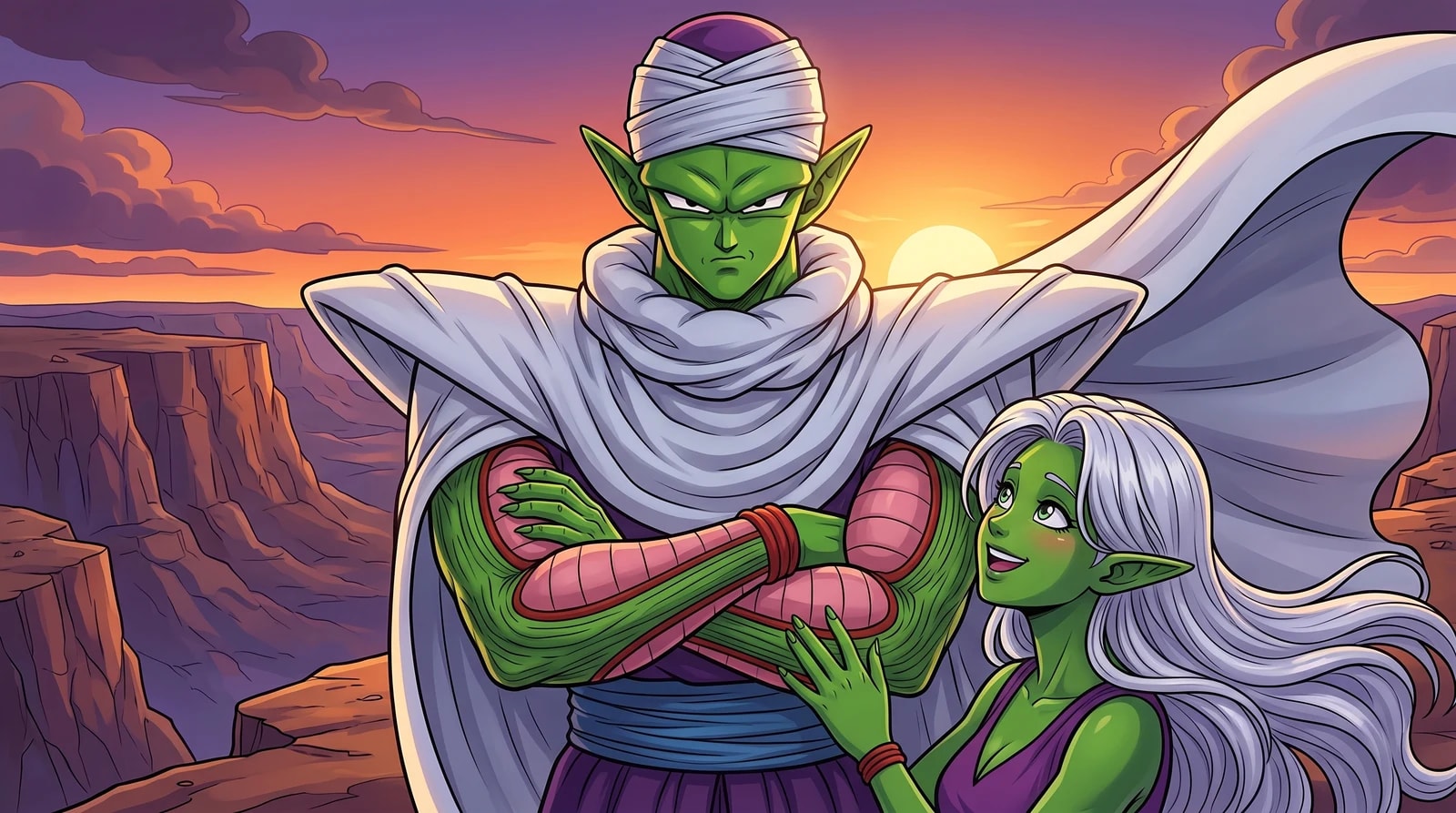
Piccolo Gets the Namek Hoes: Namek Has No Women, and He Pulls Anyway
There are no women on Namek. That isn't an oversight, it's the biology. Why we handed Piccolo the one thing his own species rules out, and why it had to be trap soul....
Frequently Asked Questions
Is the Gurren Lagann movie just a recap?
Gurren Lagann The Movie: Childhood's End is not a straightforward recap. Rather than replaying the television episodes outright, it restages the story as mirrored reflections, compressing episodes 1 through 11 into a single feature and folding in elements from episodes 12 through 14.
Is Gurren Lagann the movie Childhood's End canon?
Childhood's End is an official theatrical adaptation of the Tengen Toppa Gurren Lagann television series rather than a strict episode for episode recap. It reworks the first arc into a mirrored retelling, so it stands as part of the franchise while restaging certain scenes differently from the TV version.
What part of the TV series does Childhood's End adapt?
Gurren Lagann The Movie: Childhood's End adapts episodes 1 through 11 of the television anime, with additional material folded in from episodes 12 through 14. It covers Simon and Kamina's journey from Giha Village through the war against the Beastmen and Kamina's death.
What happens to Kamina in Gurren Lagann: Childhood's End?
During the assault on the walking fortress Dai-Gunzan, General Thymilph runs Kamina through. Kamina combines with Simon one last time to destroy Thymilph with a Giga Drill Break before dying with the words 'Later, buddy.'
How is Nia Teppelin introduced in the film?
Nia Teppelin appears after Kamina's death, when a grief stricken Simon opens a discarded box in a ravine and finds her inside. She turns out to be the daughter of Spiral King Lordgenome, who had thrown her away.
Sources & Information
Looking for more on Gurren Lagann The Movie: Childhood's End? The Dragon Ball Wiki on Fandom has a dedicated page with community notes.
View on FandomThis content is original writing by Daddy Jim Headquarters based on the Dragon Ball anime series, manga, and official materials. Episode and chapter references are cited where applicable.
Character and scene imagery on this site is original artwork by Daddy Jim Headquarters, not screenshots or licensed imagery. Official cover art is used on three types of pages for editorial commentary:
- Movie pages: theatrical posters and key visuals, credited to Toei Animation and Shueisha.
- Game pages: official box art, credited to Bandai Namco, Atari, and other publishers.
- Manga chapter pages: Jump Comics volume covers, credited to Shueisha and Akira Toriyama.
Official resources:
Help Us Keep This Wiki Accurate
Daddy Jim Headquarters maintains this encyclopedia. If you spot an error, a translation issue, or something that doesn't look right, let us know.