
Bleach GC: Tasogare ni Mamieru Shinigami is a 2005 GameCube fighting game developed by Polygon Magic and published by Sega. It stages 3D arena duels across a large Bleach roster, with battlefields drawn from familiar Soul Society settings.
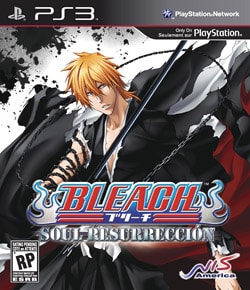
Bleach: Soul Resurreccion is a 2011 PlayStation 3 hack and slash game known in Japan as Bleach: Soul Ignition. Developed by Racjin, it lets players fight as 21 characters drawn mostly from the Arrancar arc using melee combos and ignition mode super attacks.
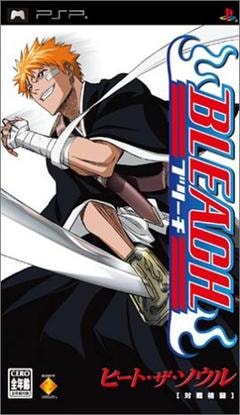
Bleach: Heat the Soul is a 2005 PlayStation Portable fighting game by Eighting and Sony Computer Entertainment. As the debut of the long-running Heat the Soul line, it recreates the opening Bleach arc through fast 3D duels and character-specific special moves.
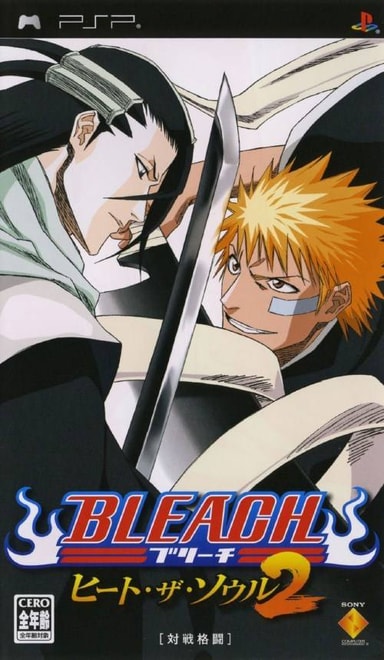
Bleach: Heat the Soul 2 is a 2005 PlayStation Portable fighting game from Eighting and Sony Computer Entertainment. The second Heat the Soul entry widens the cast and carries its story through the Soul Society rescue arcs with per-character campaigns.

Bleach Advance: Kurenai ni Somaru Soul Society is a 2005 Game Boy Advance fighting game from Alpha Unit and Sega. It retells the early Bleach saga in side-view duels, letting Ichigo and his allies grow stronger as they push into Soul Society to save Rukia.
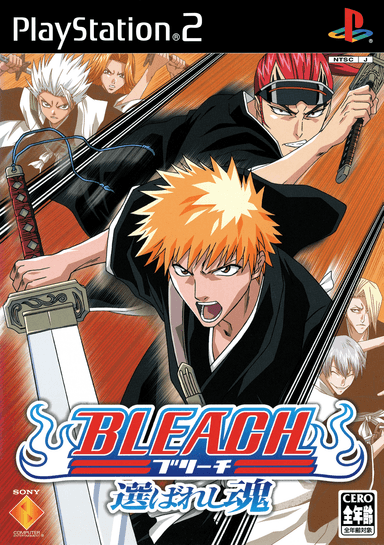
Bleach: Erabareshi Tamashii is a 2005 PlayStation 2 action title from Aspect and Sony Computer Entertainment. It sends players through mission-based battles against Hollows and Soul Reapers, pairing off characters from the series in an original standalone storyline.
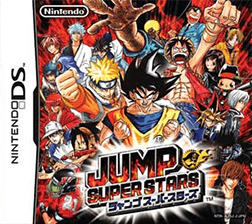
Jump Super Stars is a 2005 Nintendo DS crossover fighter by Ganbarion and Nintendo, celebrating Weekly Shonen Jump. It gathers characters from many series, Bleach among them, into touch-screen deck battles and became one of Japan's best sellers that year.
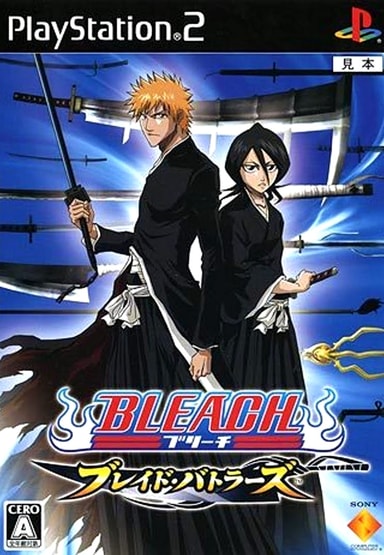
Bleach: Blade Battlers is a Japan-exclusive 3D arena fighter for the PlayStation 2 and the first game in the Blade Battlers line. Characters from the anime clash in open free-for-all bouts that support up to four combatants at once.
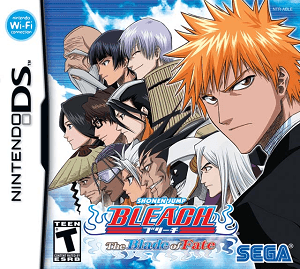
Bleach: The Blade of Fate is a 2D fighting game for the Nintendo DS, released in Japan as Bleach DS: Souten ni Kakeru Unmei. It uses a two-plane arena, touch-screen special cards, and online play, and it earns strong reviews.
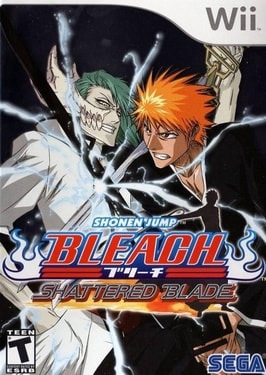
Bleach: Shattered Blade is a 3D fighting game for the Wii where players swing swords using the Wii Remote's motion controls. It carries the anime's cast into a motion-driven brawler and introduces an original arrancar villain to the fight.
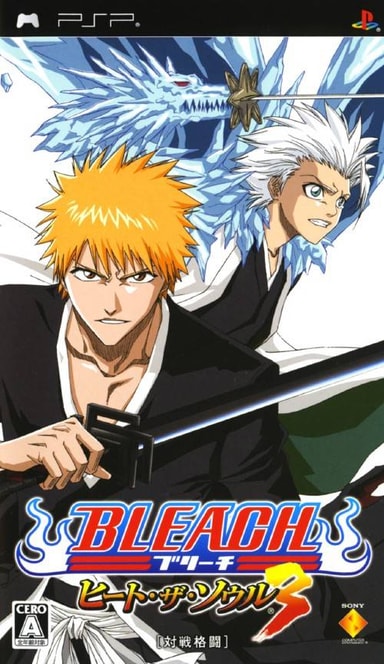
Bleach: Heat the Soul 3 is the third entry in the PSP Heat the Soul line, a Japan-exclusive 3D cel-shaded fighter. Its roster grows past thirty fighters, and it folds in a board-game journey mode and a multi-hero battle mode.
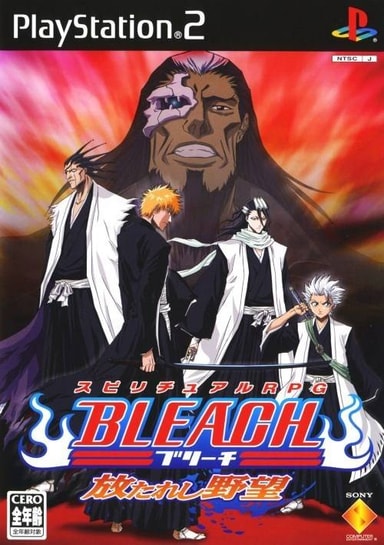
Bleach: Hanatareshi Yabou is a Japan-only action RPG for the PlayStation 2 and the franchise's first adventure-style role-playing outing. It runs an original side story set apart from the manga's timeline, complete with new faces to meet.
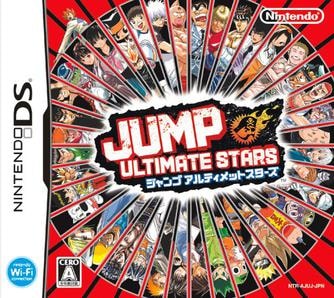
Jump Ultimate Stars is a Japan-only 2D crossover fighter for the Nintendo DS and the sequel to Jump Super Stars. It packs 305 characters drawn from 41 Weekly Shonen Jump manga, Bleach among them, onto a manga-panel deck system.
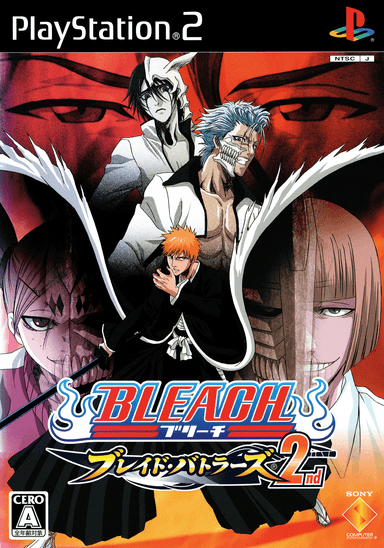
Bleach: Blade Battlers 2nd is a 2007 arena fighting game for the PlayStation 2, developed by Racjin and released only in Japan. It expands the original with 36 playable characters and reworked transformation and special attack systems.
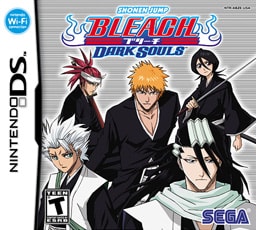
Bleach: Dark Souls is a 2007 Nintendo DS fighting game from Treasure and Sega. A sequel to Blade of Fate, it grows the roster to 44 fighters and a four-card Reifu system, and it later reaches North America and Europe in 2008 and 2009.
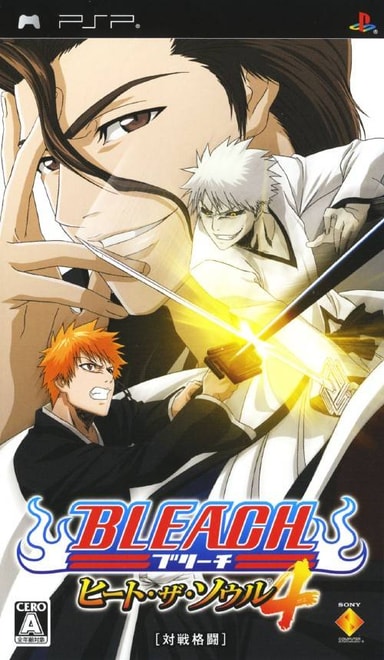
Bleach: Heat the Soul 4 is a 2007 PlayStation Portable fighting game by Eighting, published by Sony and released only in Japan. It grows the roster to 51 characters and covers the anime from the Arrancar arc into Hueco Mundo.
Bleach: The 3rd Phantom is a 2008 Nintendo DS tactical role-playing game by Tom Create and Sega. It trades the series' fighting roots for grid combat and an original story by Tite Kubo, later reaching North America in 2009.
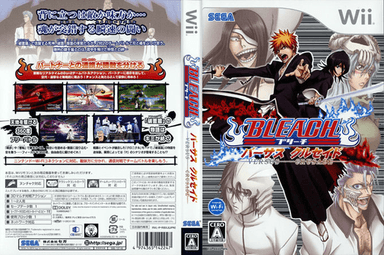
Bleach: Versus Crusade is a 2008 motion-controlled fighting game for the Wii, developed by Treasure and published by Sega in Japan. It pits characters from the anime against one another in one-on-one duels driven by Wii Remote and Nunchuk gestures.
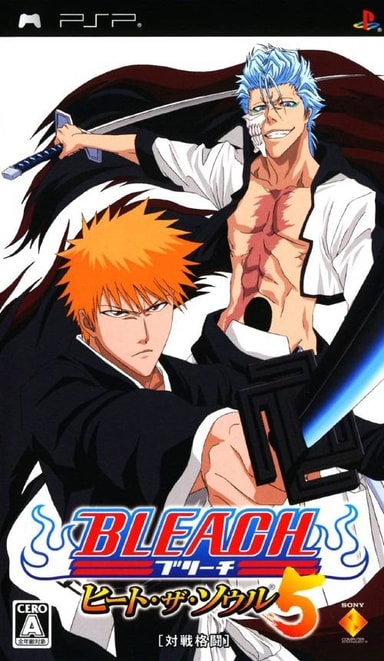
Bleach: Heat the Soul 5 is a 2008 PlayStation Portable fighter from Eighting and Sony, exclusive to Japan. Its headline addition is a Tag Action system for two-character teams, and its story runs from Hueco Mundo to the Grimmjow and Ichigo clash.
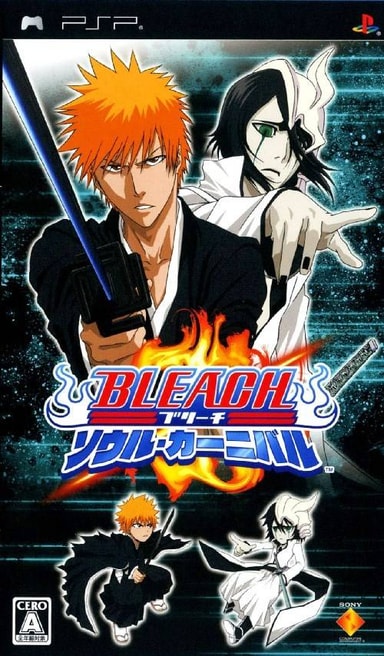
Bleach: Soul Carnival is a 2008 PlayStation Portable action game developed by Racjin and published by Sony, released only in Japan. It swaps the fighting format for side-scrolling action rendered in a chibi, super-deformed art style.
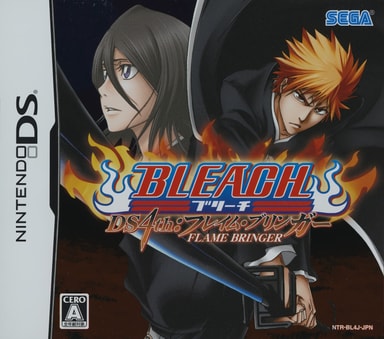
Bleach DS 4th: Flame Bringer is a 2009 action game for the Nintendo DS, developed by Dimps and published by Sega. Unlike the earlier Treasure-made DS fighters, it is a side-scrolling beat 'em up built around an original Bleach storyline.
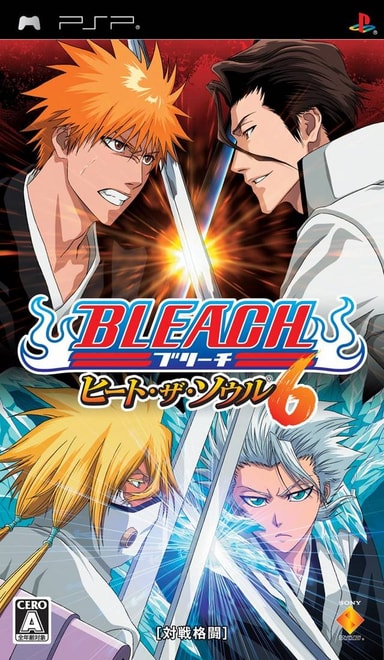
Bleach: Heat the Soul 6 is a 2009 fighting game for the PlayStation Portable, developed by Eighting and published by Sony Computer Entertainment in Japan. It is the sixth entry in the long-running Heat the Soul series of arena fighters.
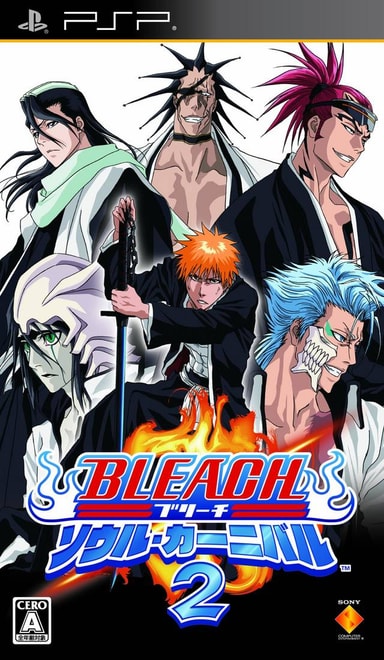
Bleach: Soul Carnival 2 is a 2009 action game for the PlayStation Portable, developed by Racjin and published by Sony Computer Entertainment. It is the sequel to the original Soul Carnival and blends brisk combat with light role-playing progression.
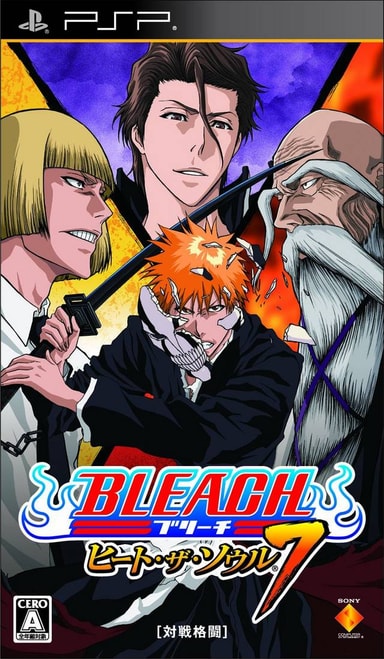
Bleach: Heat the Soul 7 is a 2010 fighting game for the PlayStation Portable, developed by Eighting and published by Sony Computer Entertainment. It is the seventh and final entry in the Heat the Soul series of Bleach arena fighters.

A Japan-exclusive mobile social game built around collectible Bleach character cards. Players sign up through the GREE platform and assemble decks for streamlined one-on-one duels drawn from the anime and manga.
A crossover arena fighter celebrating Weekly Shonen Jump, pitting characters from dozens of manga series, Bleach among them, against one another in team brawls staged across arenas themed to their home worlds.

A free-to-play action RPG that distills Bleach into fast real-time brawls. Players collect and level hundreds of characters, gear them up, and fight through story, cooperative, and player-versus-player modes.

A Japan-exclusive mobile role-playing game set in the Bleach world. Players lead parties of Soul Reapers through turn-based battles rendered in 3D, collecting and strengthening characters pulled from the series.
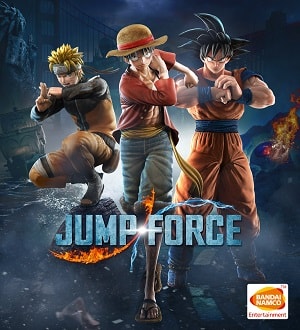
A crossover fighting game marking Weekly Shonen Jump's 50th anniversary, uniting heroes and villains from many manga, including Bleach's Ichigo Kurosaki, in team battles that fuse real-world backdrops with anime worlds.

An officially licensed mobile RPG that adapts Bleach through strategic turn-based battles. Players collect franchise characters, build squads, and follow Ichigo Kurosaki's story while battling Hollows across story and competitive modes.

Bleach: Soul Rising is a free-to-play mobile action game based on the Bleach anime. First appearing in China and later operated in Japan by Koramgame, it puts players into real-time 3D battles as Soul Reapers and other characters from the series.

Bleach Soul Puzzle is a free-to-play match-three mobile game from KLab, billed as the first puzzle title built on the Bleach TV anime. Players clear colored pieces to trigger character attacks while collecting chibi versions of the cast.
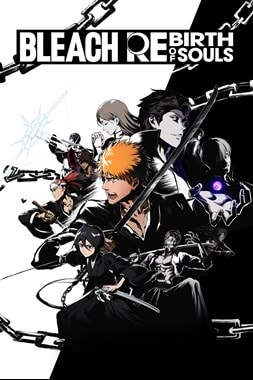
Bleach: Rebirth of Souls is a 3D arena fighting game from developer Tamsoft and publisher Bandai Namco. It launches worldwide in March 2025, adapting the anime's early story arcs with a large roster of Soul Reapers and Arrancar.
Sources & Information
This content is original writing by Daddy Jim Headquarters based on the Bleach anime series, manga, and official materials. Episode and chapter references are cited where applicable.
Character and scene imagery on this site is original artwork by Daddy Jim Headquarters, not screenshots or licensed imagery. Official cover art is used on three types of pages for editorial commentary:
- Movie pages: theatrical posters and key visuals, credited to Studio Pierrot and the production committee.
- Game pages: official box art for the Bleach console and mobile games, credited to Bandai Namco and other publishers.
- Manga chapter pages: Jump Comics volume covers, credited to Shueisha and Tite Kubo.
Official resources:

Help Us Keep This Wiki Accurate
Daddy Jim Headquarters maintains this encyclopedia. If you spot an error, a translation issue, or something that doesn't look right, let us know.