Shigeo Kiyama
Voice ActorBorn in Osaka in 1973, Shigeo Kiyama works in Japan as both an on-screen actor and a voice actor, with credits that include the One Piece franchise though his specific character has not been documented.
One Piece Role
Kiyama's connection to One Piece is noted among his broader voice acting work, though the character he portrays in the series has not been confirmed in publicly available reference material. His inclusion reflects supporting or guest work of the kind common among Japanese actors who take on secondary roles in long-running anime productions.

Related Reading
See all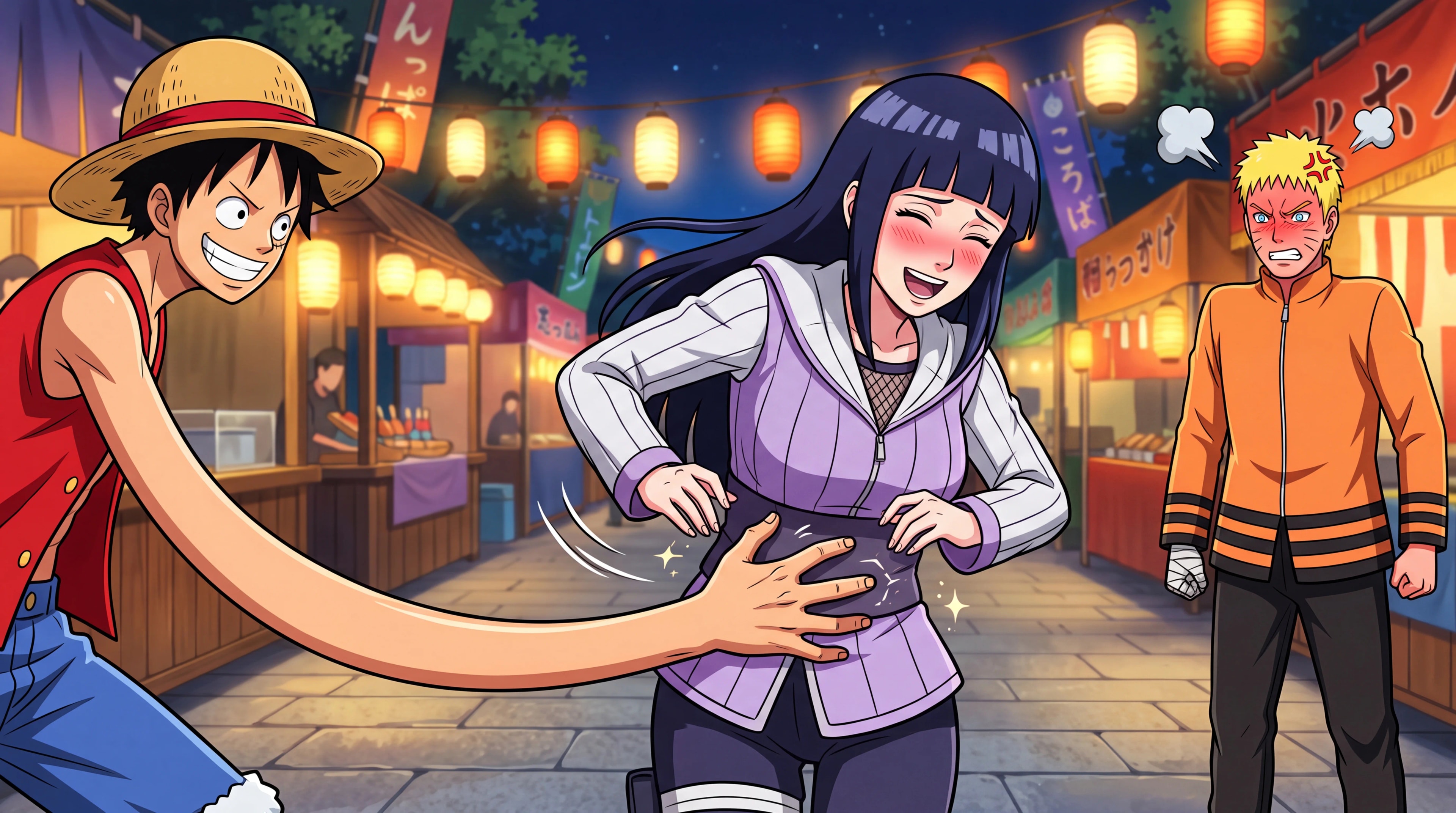
Naruto vs Luffy: Does the Fight Change if Luffy Tickles Hinata?
Naruto vs Luffy with the twist nobody asked for: Luffy tickled Hinata on date night, and she kind of liked it. We break down the whole fight and commit to a winner....

The Most Popular Women of One Piece: A Fan's Journey Through Anime's Greatest Female Characters...
When I first decided to commit to watching One Piece seriously, I knew I was embarking on one of anime's longest and most beloved series. With over 100...
Frequently Asked Questions
Where was Shigeo Kiyama born?
Shigeo Kiyama was born in Osaka in 1973, and he has worked in Japan as both an on-screen actor and a voice actor.
When did Shigeo Kiyama begin his acting career?
Kiyama has been active in the industry since 1997, working continuously as both an actor and voice actor for nearly three decades.
Does Shigeo Kiyama work in both live-action and voice acting?
Yes, Kiyama works in Japan as both an on-screen actor and a voice actor, a dual path common among Japanese performers who take supporting roles across film, television, and anime.
What is Shigeo Kiyama's connection to One Piece?
Kiyama's connection to One Piece is noted among his broader voice acting work, though the specific character he portrays in the series has not been confirmed in publicly available reference material.
Who is Shigeo Kiyama?
Shigeo Kiyama is a Japanese actor and voice actor born in Osaka in 1973, active in the industry since 1997. His credits include a connection to the One Piece franchise from Toei Animation.
Sources & Information
This content is original writing by Daddy Jim Headquarters based on the One Piece anime series, manga, and official materials. Episode and chapter references are cited where applicable.
Rights holders
- Created byEiichiro Oda
- Published byShueisha
- Animated byToei Animation
All rights belong to their respective owners.
Character and scene imagery on this site is original artwork by Daddy Jim Headquarters, not screenshots or licensed imagery. Official cover art is used on three types of pages for editorial commentary:
- Movie pages: theatrical posters and key visuals, credited to Toei Animation and Toei Company.
- Game pages: official box art for the One Piece console and mobile games, credited to Bandai Namco.
- Manga chapter pages: Jump Comics volume covers, credited to Shueisha and Eiichiro Oda.
Official resources:
Help Us Keep This Wiki Accurate
Daddy Jim Headquarters maintains this encyclopedia. If you spot an error, a translation issue, or something that doesn't look right, let us know.