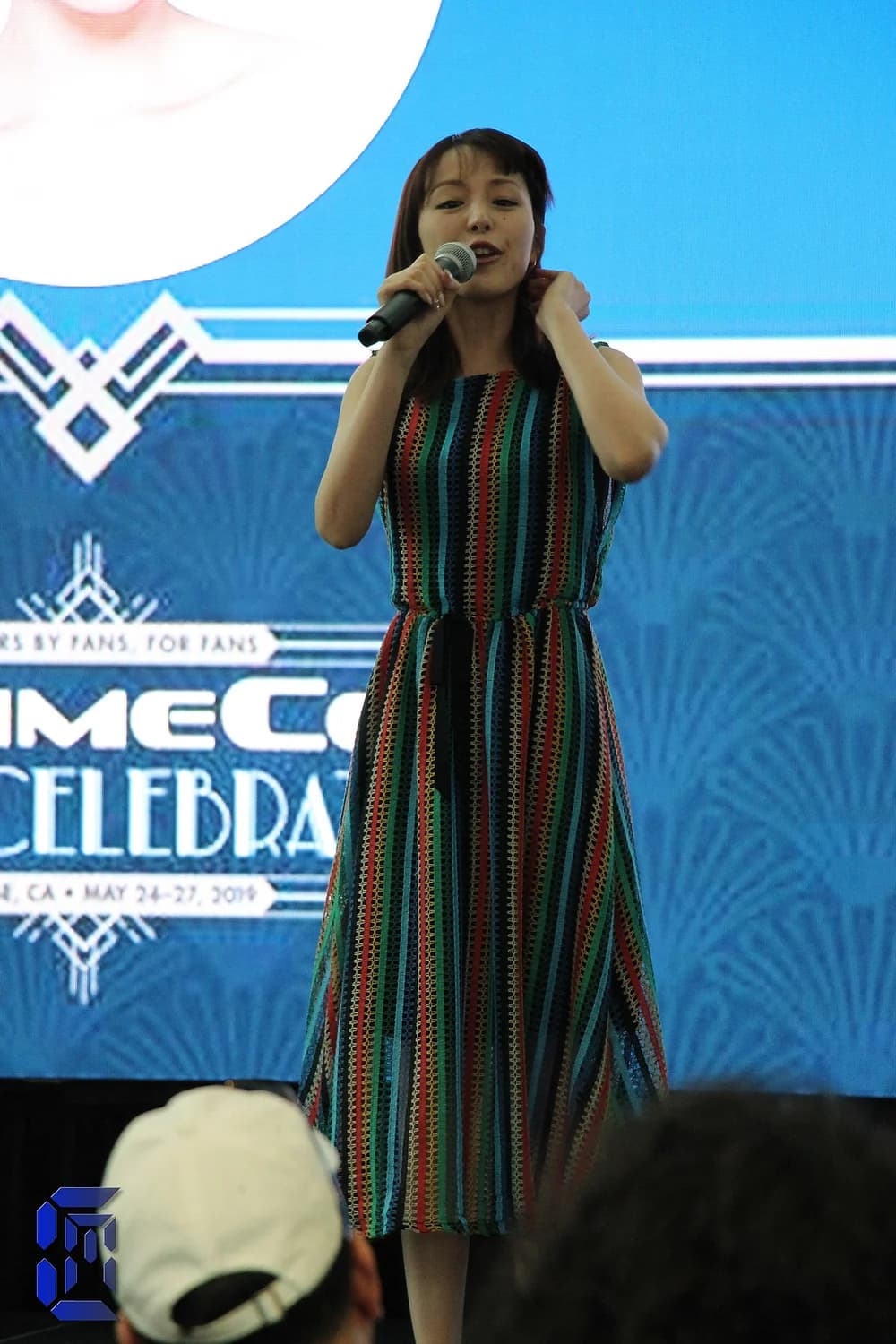
Aya Hirano
Voice ActorAya Hirano is a Japanese actress known also as a singer, who provided the Japanese-language voice for Dark Rukia and Homura in the Bleach franchise, animated by Studio Pierrot.

Bleach Role
In the Japanese version of Bleach, Hirano lends her voice to Dark Rukia and Homura, characters within the franchise's broader continuity. The role sits alongside a voice-acting career built largely on iconic anime leads.


Career and Notable Roles
Hirano first appeared in commercials as a child, then made her anime debut in Angel Tales in 2001. She skyrocketed to fame headlining the Haruhi Suzumiya franchise from 2006, earning several seiyu awards, and went on to voice Fairy Tail's Lucy Heartfilia, Lucky Star's Konata Izumi, and Death Note's Misa Amane. Beyond voice work, she has pursued a singing career under Universal Sigma and moved into television and stage acting in the 2010s.



Frequently Asked Questions
Does Aya Hirano still voice act?
Per available records Hirano remains active in voice acting since 1998, though she has increasingly pursued singing under Universal Sigma and moved into television and stage acting during the 2010s.
Who does Aya Hirano voice in Bleach?
Hirano voices Dark Rukia and Homura in the Japanese version of the Bleach franchise. The roles sit alongside a voice acting career built largely on iconic anime leads.
What is Aya Hirano best known for?
Hirano skyrocketed to fame headlining The Melancholy of Haruhi Suzumiya franchise starting in 2006, earning several seiyu awards for the role. It remains the signature credit of her career.
What other anime characters has Aya Hirano voiced?
Hirano has voiced Lucy Heartfilia in Fairy Tail, Konata Izumi in Lucky Star, and Misa Amane in Death Note. These roles came after her Haruhi Suzumiya breakthrough.
When did Aya Hirano begin her acting career?
Hirano first appeared in commercials as a child before making her anime debut in Angel Tales in 2001. Her career has spanned voice acting, singing, and stage work since.
Sources & Information
This content is original writing by Daddy Jim Anime based on the Bleach anime series, manga, and official materials. Episode and chapter references are cited where applicable.
Rights holders
- Created byTite Kubo
- Published byShueisha
- Animated byStudio Pierrot
All rights belong to their respective owners.
Character and scene imagery on this site is original artwork by Daddy Jim Anime, not screenshots or licensed imagery. Official cover art is used on three types of pages for editorial commentary:
- Movie pages: theatrical posters and key visuals, credited to Studio Pierrot and the production committee.
- Game pages: official box art for the Bleach console and mobile games, credited to Bandai Namco and other publishers.
- Manga chapter pages: Jump Comics volume covers, credited to Shueisha and Tite Kubo.
- Licensed imagery: Photographs of real people, including creators, voice actors and production staff, are used under licence from the rights holder or the applicable stock provider, or under the terms of a public licence permitting editorial use. Each such image is reproduced in its licensed form and remains the property of its owner.
- Exceptions: Limited exceptions to the practices described above may apply to individual entries. Where an exception applies, it is noted on the entry itself alongside the applicable attribution. Rights holders may contact us regarding any attribution and it will be reviewed promptly.
Official resources:
Help Us Keep This Wiki Accurate
Daddy Jim Anime maintains this encyclopedia. If you spot an error, a translation issue, or something that doesn't look right, let us know.