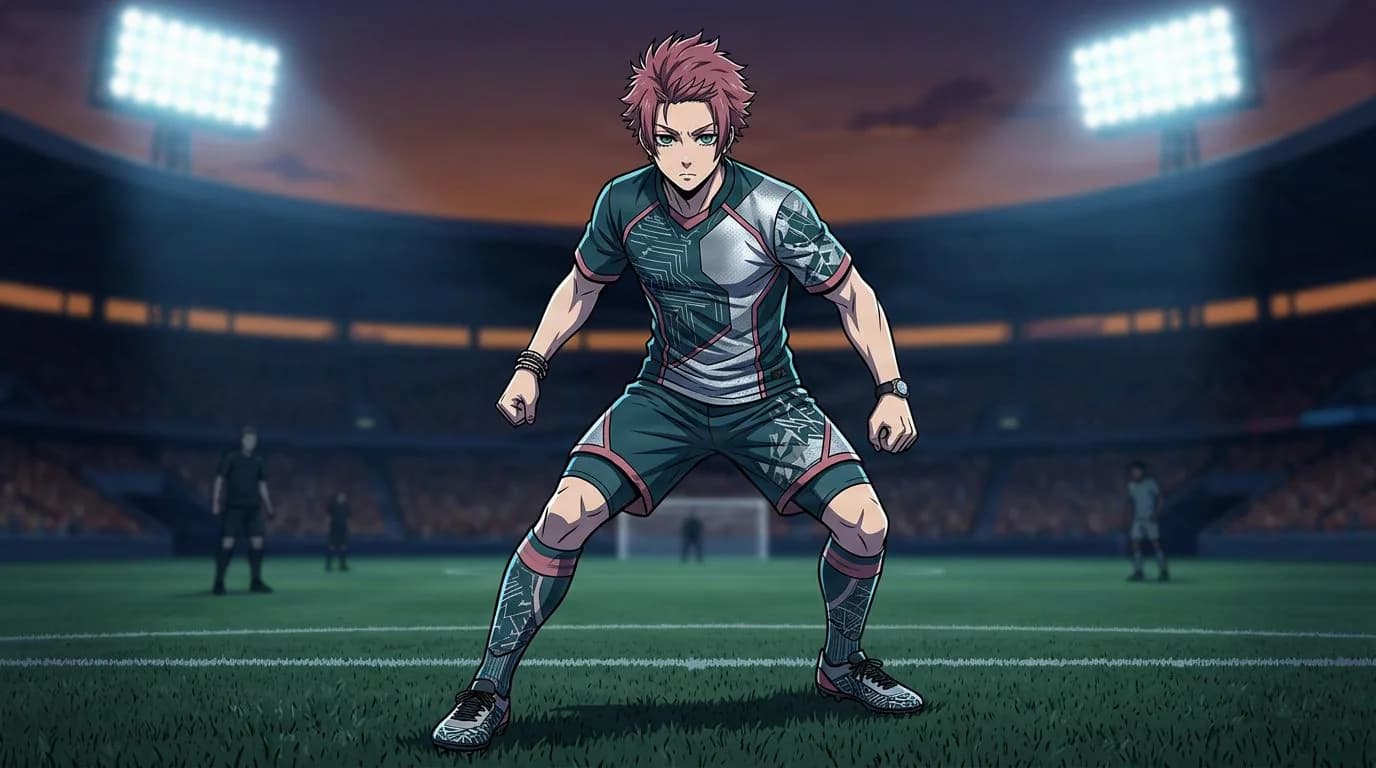
Sae Itoshi
CharacterSae Itoshi is Japan's most gifted footballer, a cold-blooded playmaker admired across the professional world and the older brother of Rin Itoshi. A member of the New Generation World XI, he sets aside his contempt for domestic football when Blue Lock catches his interest.
Also Known As
Appearance
Sae is tall and lean, topped with reddish-brown hair that the anime renders in a softer maroon. His narrow teal eyes are framed by the same long lower lashes that mark his brother Rin. For the national representative fixture he dons Japan U-20's white number 10 jersey with a black undershirt and black gloves.

Personality
From childhood Sae has been chilly, curt, and intensely serious, caring about almost nothing beyond becoming the finest midfielder alive and refusing to spend time on anything that fails to advance that aim. He can be haughty and dismissive, talking down to people older than himself and those holding authority over him, and while his own play carries an egoist streak, he is disciplined enough to hold his position and avoid needlessly upstaging teammates. His pride runs deepest in his scorn for Japanese football; he claims he would sooner die, or play in Europe among mere college students, than turn out for the J-League, and he laments having been born in the wrong country at all.
Difficult as he is, Sae is not unworkable. On a whim he stays in Japan once Blue Lock intrigues him and even suits up for the Japan U-20 against the Blue Lock Eleven, but the moment his curiosity is satisfied he thinks nothing of walking away from anyone he deems beneath him. He accepts his job as the team's key passer, feeding the forwards chance after chance and shooting himself only once they repeatedly failed. He is also capable of conceding error, telling Rin afterward that he had misjudged Japan and that the country could indeed produce a striker worth respecting in Isagi. Flashbacks reveal a gentler boy who once doted on his little brother, even taking the blame when Rin broke his toys.
Related Reading
See all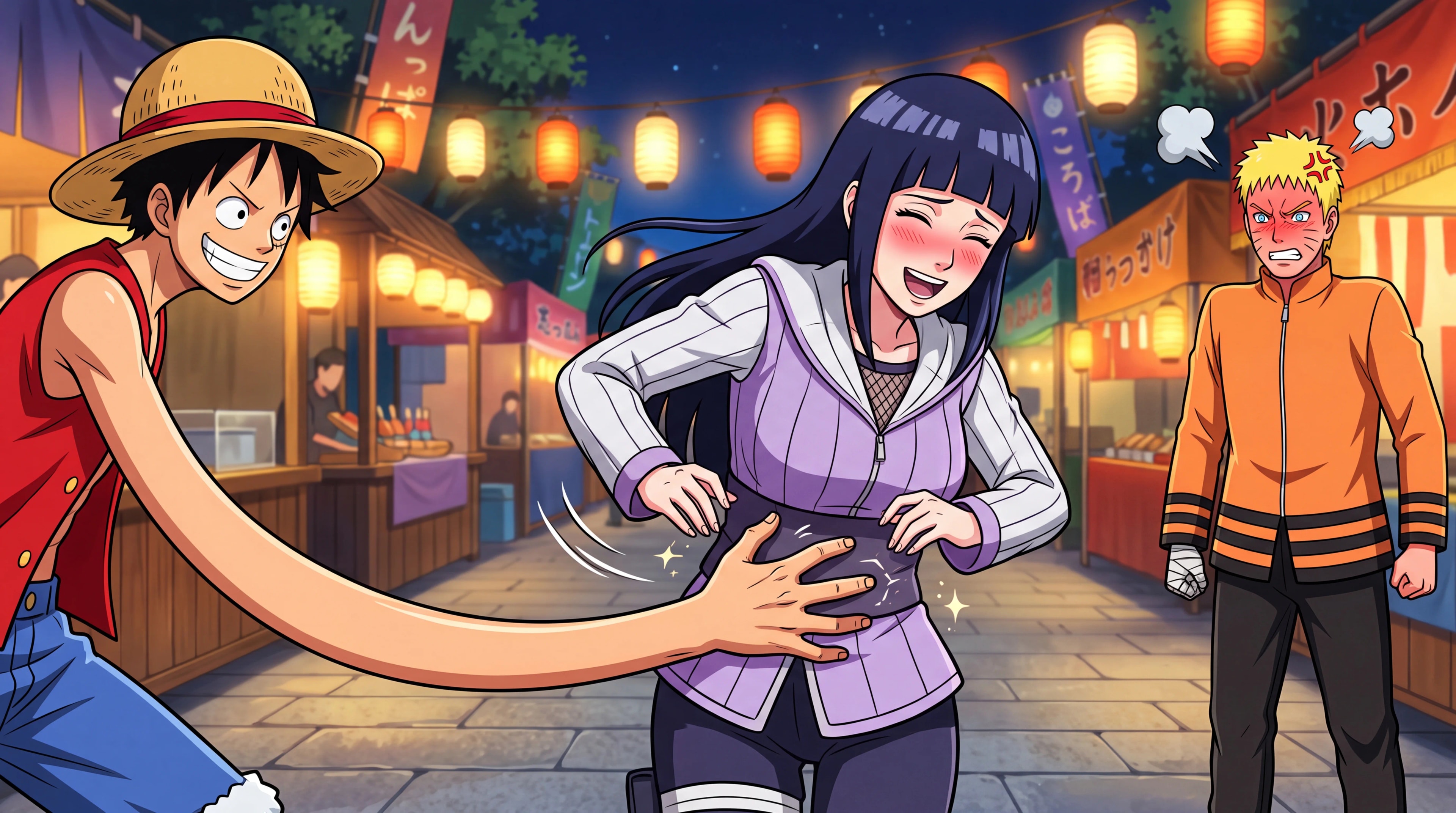
Naruto vs Luffy: Does the Fight Change if Luffy Tickles Hinata?
Naruto vs Luffy with the twist nobody asked for: Luffy tickled Hinata on date night, and she kind of liked it. We break down the whole fight and commit to a winner....
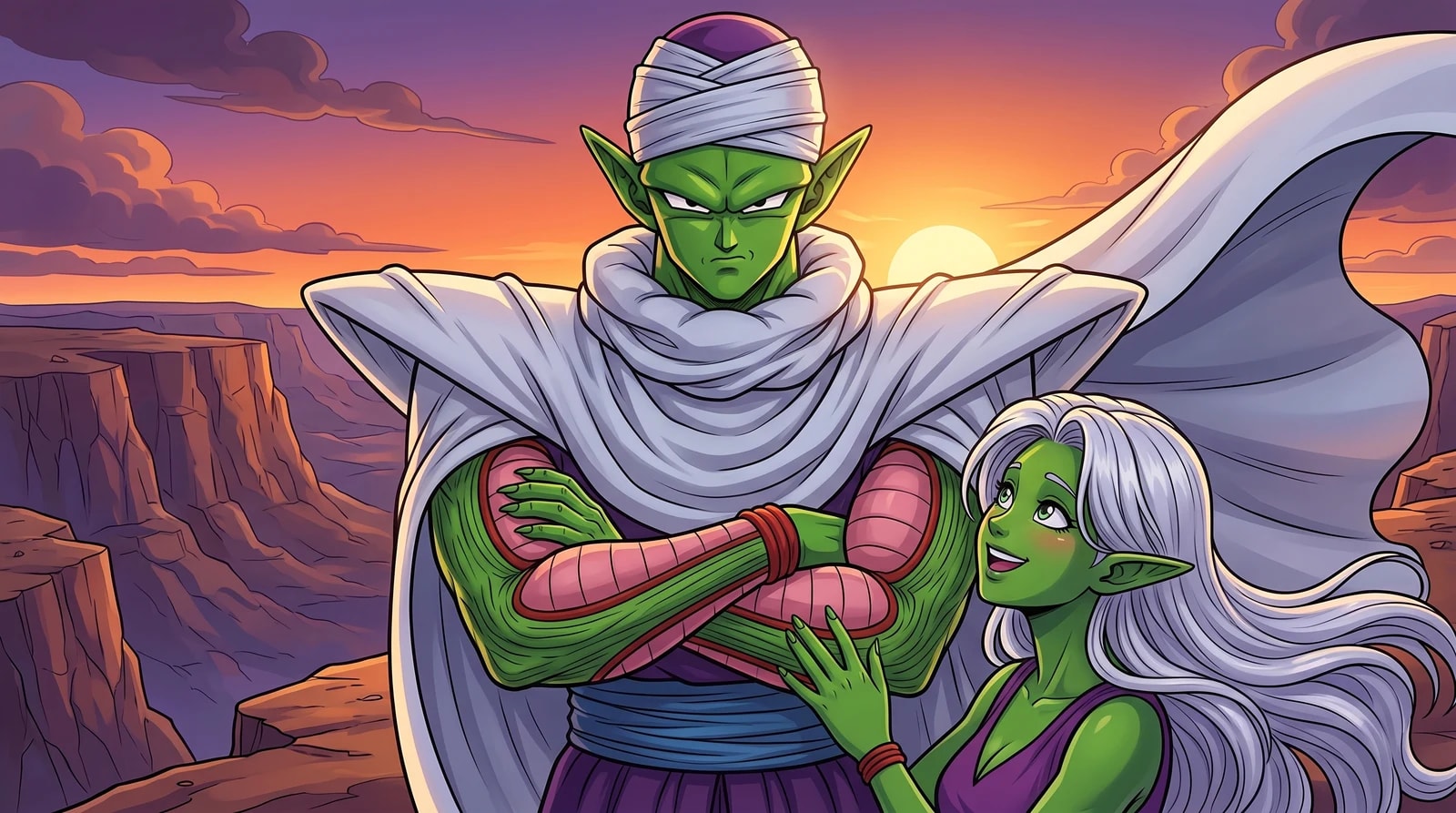
Namek Has No Women, and Piccolo Pulls Anyway
There are no women on Namek. That isn't an oversight, it's the biology. Why we handed Piccolo the one thing his own species rules out, and why it had to be trap soul....
Abilities
Sae operates as a playmaker who orchestrates his side's attack, threading calculated passes and dribbles to plug defensive gaps and steer play toward the most decisive point, aiming to dismantle opponents cleanly and, as he puts it, beautifully. He has already made his name in Europe with Re Al's second team, earning a place among the New Generation World XI. His kicking borders on flawless: he governs the power, angle, speed, and precision of every strike, producing passes that arrive easy to receive yet nearly impossible to cut out, from long driven balls and delicate lobs to the trivela struck with the outside of the foot, a byline line-drive shot, and an ultra-fast set-piece pass that skirts a shot.
When he chooses to run rather than distribute, Sae counters defenders by reading their rhythm and flowing past them, wielding hyperspeed scissors, double touches, Marseille turns, and a repertoire of nutmegs, along with a shoulder block that reverses his balance to slip a tackle. He has repeatedly bested Rin one on one and nutmegged him at will. Underpinning it all are extraordinary reflexes that let him weigh every variable on the pitch in an instant and deliver the ball to whoever holds the best scoring angle, a quality that lets him operate on the same wavelength as Shido. In the closing minutes against the Blue Lock Eleven he entered Flow, his dribbling sharpening enough to slip past both Nagi and Barou.
Frequently Asked Questions
Did Itoshi Sae join Blue Lock?
Sae Itoshi did not join Blue Lock as a program participant. He stays in Japan on a whim once Blue Lock catches his interest and suits up for Japan U-20 against the Blue Lock Eleven.
Why is Sae Itoshi so cold?
Sae Itoshi is cold and dismissive because from childhood he has cared about almost nothing beyond becoming the finest midfielder alive, refusing to spend time on anything that does not advance that goal.
What is Sae Itoshi's relationship to Rin Itoshi?
Sae Itoshi is the older brother of Rin Itoshi, and the two developed into fierce on-field rivals despite Sae once doting on his younger brother as a child.
What is Sae Itoshi's playing style in Blue Lock?
Sae Itoshi plays as a playmaker who threads calculated passes and dribbles to dismantle opposing defenses, backed by near-flawless kicking technique and blistering reflexes.
What team does Sae Itoshi play for?
Sae Itoshi plays for Re Al's youth team in Europe and is a member of the New Generation World XI, while also suiting up for Japan U-20.
Sources & Information
Looking for more on Sae Itoshi? The Blue Lock Wiki on Fandom has a dedicated page with community notes.
View on FandomThis content is original writing by Daddy Jim Headquarters based on the Blue Lock anime series, manga, and official materials. Episode and chapter references are cited where applicable.
Rights holders
- Created byMuneyuki Kaneshiro and Yusuke Nomura
- Published byKodansha
- Animated by8bit
All rights belong to their respective owners.
Character and scene imagery on this site is original artwork by Daddy Jim Headquarters, not screenshots or licensed imagery. Official cover art is used on three types of pages for editorial commentary:
- Movie pages: theatrical key visuals for Blue Lock: Episode Nagi, credited to Eight Bit and the production committee.
- Game pages: official artwork for Blue Lock: Project World Champion, credited to Kodansha and Rudel.
- Manga chapter pages: Kodansha Comics volume covers, credited to Kodansha, Muneyuki Kaneshiro, and Yusuke Nomura.
Official resources:
Help Us Keep This Wiki Accurate
Daddy Jim Headquarters maintains this encyclopedia. If you spot an error, a translation issue, or something that doesn't look right, let us know.