20th Century Boy
Character20th Century Boy is the Stand of Magent Magent in Steel Ball Run, an armored, beetle-like guardian with no offensive punch and a single overwhelming trait: while its user kneels and holds still, it renders him utterly untouchable by any attack.
Overview
20th Century Boy belongs to Magent Magent and features in Steel Ball Run as a hollow suit of beetle-shaped armor, built from a headpiece, broad shoulder pads trailing branching straps, and a back shell. It carries no meaningful attack, ranking Null in both destructive force and range, but trades away almost everything else for a peerless defense and pure survivability. The Stand is also flexible enough to change shape, and the colored manga renders it in purple and cyan.

Mechanics
The Stand's signature power is a flawless defense. The moment Magent activates it and drops to his knees, every incoming threat is turned aside. Araki described the mechanism as belts that stretch out like grounding wires, channeling the force of any strike harmlessly into the earth. This shields him from Stand blows, thrown Steel Balls, bullets, and explosions alike, and even keeps him safe from hazards such as drowning. It first stops Gyro Zeppeli's Steel Balls and later deflects a bullet already breaking the skin of its user's face.
The catch lies in how the guard is raised. Magent has to expose himself or hold perfectly rigid to invoke it, so the defense breeds its own weakness. Opponents can bait him into lowering his guard for a sneak attack he cannot react to in time, or take advantage of his forced stillness to bind him in a hopeless situation.

Related Reading
See all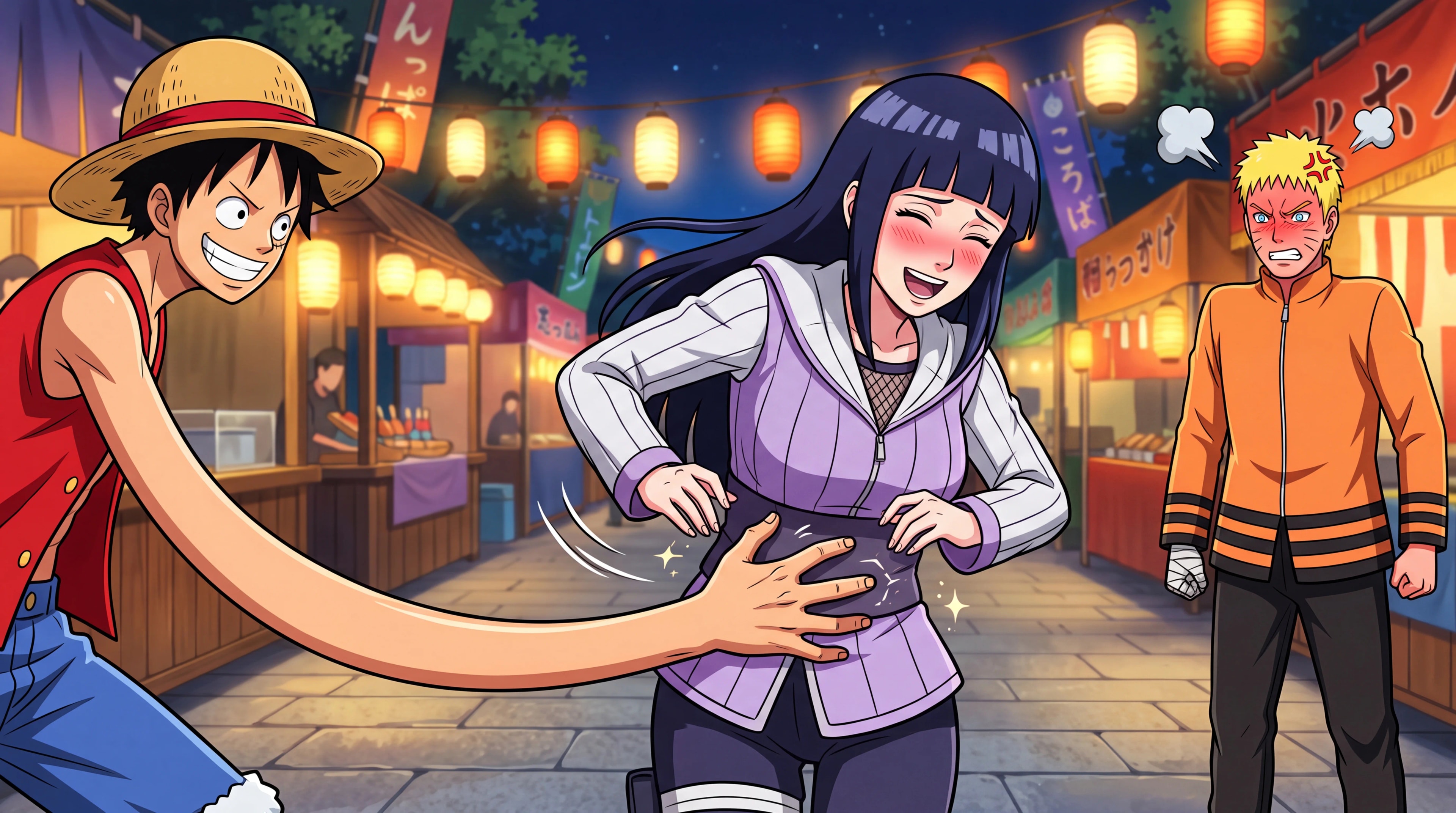
Naruto vs Luffy: Does the Fight Change if Luffy Tickles Hinata?
Naruto vs Luffy with the twist nobody asked for: Luffy tickled Hinata on date night, and she kind of liked it. We break down the whole fight and commit to a winner....
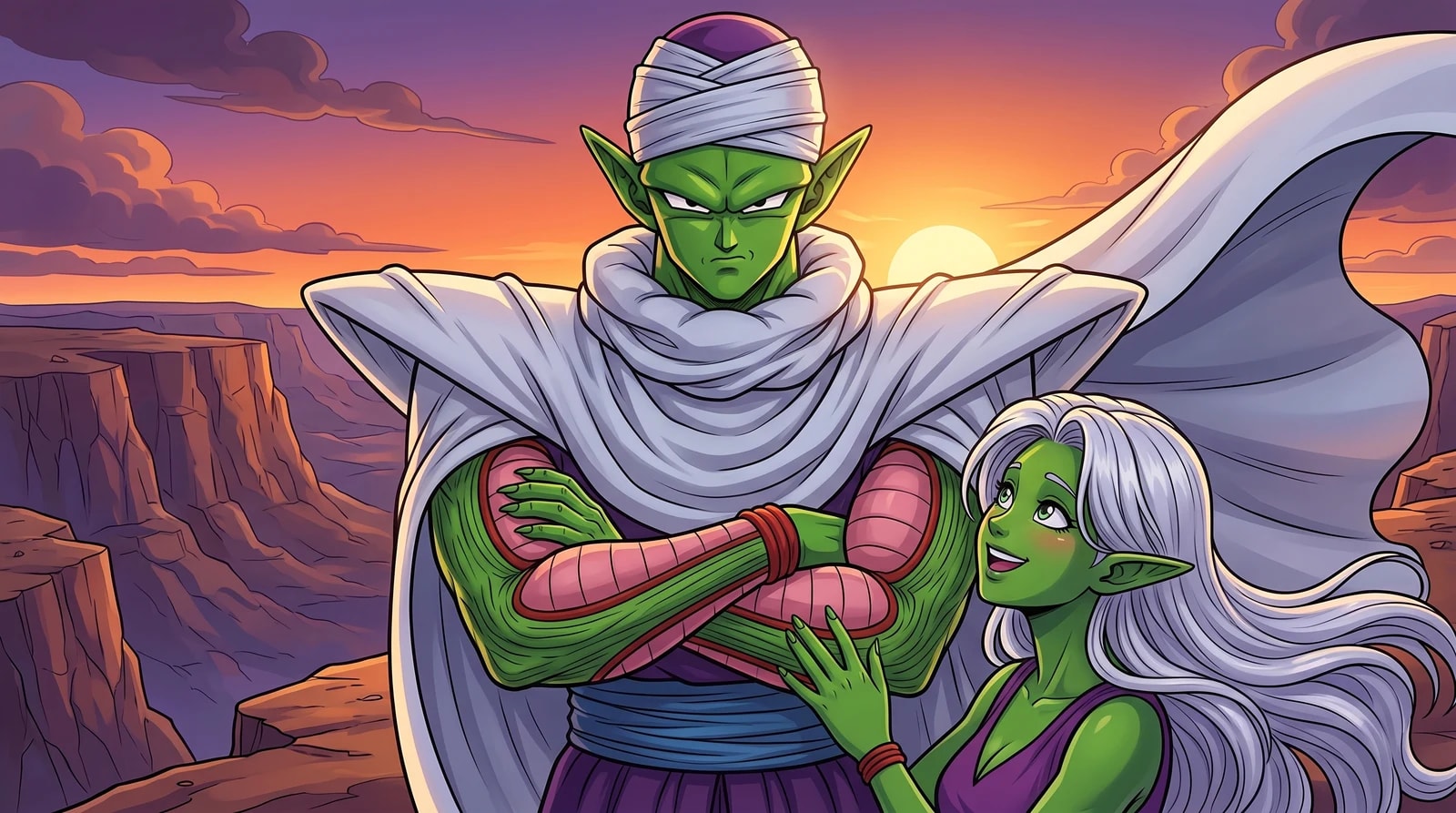
Piccolo Gets the Namek Hoes: Namek Has No Women, and He Pulls Anyway
There are no women on Namek. That isn't an oversight, it's the biology. Why we handed Piccolo the one thing his own species rules out, and why it had to be trap soul....

Frequently Asked Questions
What does the Stand 20th Century Boy do in JoJo's Bizarre Adventure?
20th Century Boy is Magent Magent's Stand from Steel Ball Run. When Magent kneels down and activates it, it renders him untouchable, deflecting Stand attacks, thrown Steel Balls, bullets, and explosions by channeling the force harmlessly into the ground.
What is the weakness of 20th Century Boy?
20th Century Boy only protects Magent Magent while he exposes himself or holds perfectly still to trigger it. Because he must stay rigid to keep the defense up, opponents can bait him into lowering his guard or exploit his forced stillness.
Who uses the Stand 20th Century Boy?
20th Century Boy belongs to Magent Magent, a character in Steel Ball Run. He is its only known user.
What does 20th Century Boy look like?
20th Century Boy takes the form of a hollow, beetle-shaped suit of armor made up of a headpiece, broad shoulder pads with branching straps, and a back shell. It can also change shape and appears in purple and cyan in the colored manga.
Where does the name 20th Century Boy come from?
20th Century Boy is named after the T. Rex song of the same title, and it mirrors its user Magent Magent's fondness for modern twentieth-century devices like airplanes that he imagines would make his work easier.
Sources & Information
Looking for more on 20th Century Boy? The Dragon Ball Wiki on Fandom has a dedicated page with community notes.
View on FandomThis content is original writing by Daddy Jim Headquarters based on the Dragon Ball anime series, manga, and official materials. Episode and chapter references are cited where applicable.
Character and scene imagery on this site is original artwork by Daddy Jim Headquarters, not screenshots or licensed imagery. Official cover art is used on three types of pages for editorial commentary:
- Movie pages: theatrical posters and key visuals, credited to Toei Animation and Shueisha.
- Game pages: official box art, credited to Bandai Namco, Atari, and other publishers.
- Manga chapter pages: Jump Comics volume covers, credited to Shueisha and Akira Toriyama.
Official resources:
Help Us Keep This Wiki Accurate
Daddy Jim Headquarters maintains this encyclopedia. If you spot an error, a translation issue, or something that doesn't look right, let us know.