Tarkus
CharacterTarkus, the Dark Knight, was a fearsome sixteenth-century British warrior put to death after his side lost a war. Raised from the grave as a zombie by Dio Brando, he serves his new master with brutal devotion and hurls his monstrous strength against Jonathan Joestar and his companions in Phantom Blood.
Appearance
Tarkus looms as a giant, thickly muscled zombie encased in heavy metal armor: a chestplate flanked by twin shoulder guards, plating over both legs, and a hanging loincloth. Crowning his medium-length hair sits a crested helmet fitted with horns.
Personality
In life Tarkus was a mighty knight devoted to his queen, yet unlike his comrade Bruford he carried no real sense of honor. His temper flares readily, and he pours that fury straight into violence. Dio's corruption twists him further, leading him to brand Bruford a disgrace to their order and to smash his old friend's armor without a shred of hesitation. Casting off human reason for undead savagery, he revels in dragging enemies into a Chain Neck Deathmatch and forcing them to fight to the end, willing or not.


History
Raised in the sixteenth century as part of the Tudor line, Tarkus was taken in as Mary Stuart's knight after losing his family to earlier wars and trained his body toward that single duty, growing devoted to her. Alongside Bruford he became one of only five in history to clear the grueling Challenge of the 77 Rings. When Mary was jailed by her rival Queen Elizabeth, the two knights battled the crown's forces until they surrendered in exchange for Mary's promised freedom, only to learn at their execution that she had already been killed. Enraged at the deception, Tarkus damned Elizabeth with his final breath, and legend holds that his neck stiffened with rage until several axes snapped against it before the blade finally took his head.
Centuries later, Dio takes up residence in Windknight's Lot and resurrects both knights as zombie enforcers to loose their hatred on the world. Summoned to destroy Jonathan, Zeppeli, and Speedwagon, Tarkus fights the latter two while Bruford duels Jonathan, then desecrates Bruford's remains after his defeat and gives chase, even crashing the group's Ripple-made glider. His raw power lets him lift and pulverize boulders with a single finger and rip bodies apart with his chain, and inside the Chamber of the Two-Headed Dragon he ensnares Zeppeli, tearing him apart while snapping Jonathan's neck. With his last strength Zeppeli passes all his Ripple into Jonathan, who breaks free and ends Tarkus with a Ripple-charged double punch to the face.
Related Reading
See all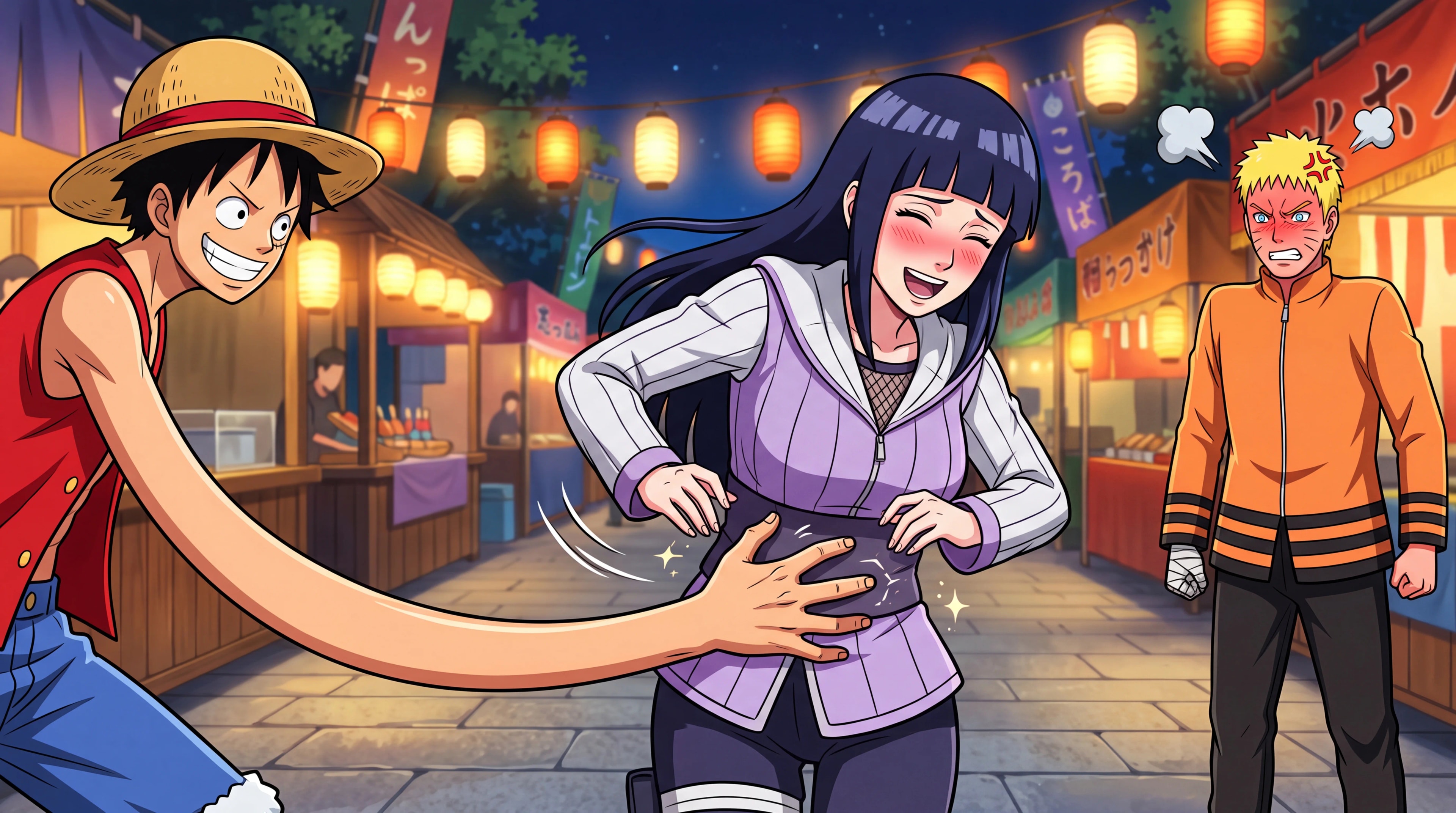
Naruto vs Luffy: Does the Fight Change if Luffy Tickles Hinata?
Naruto vs Luffy with the twist nobody asked for: Luffy tickled Hinata on date night, and she kind of liked it. We break down the whole fight and commit to a winner....
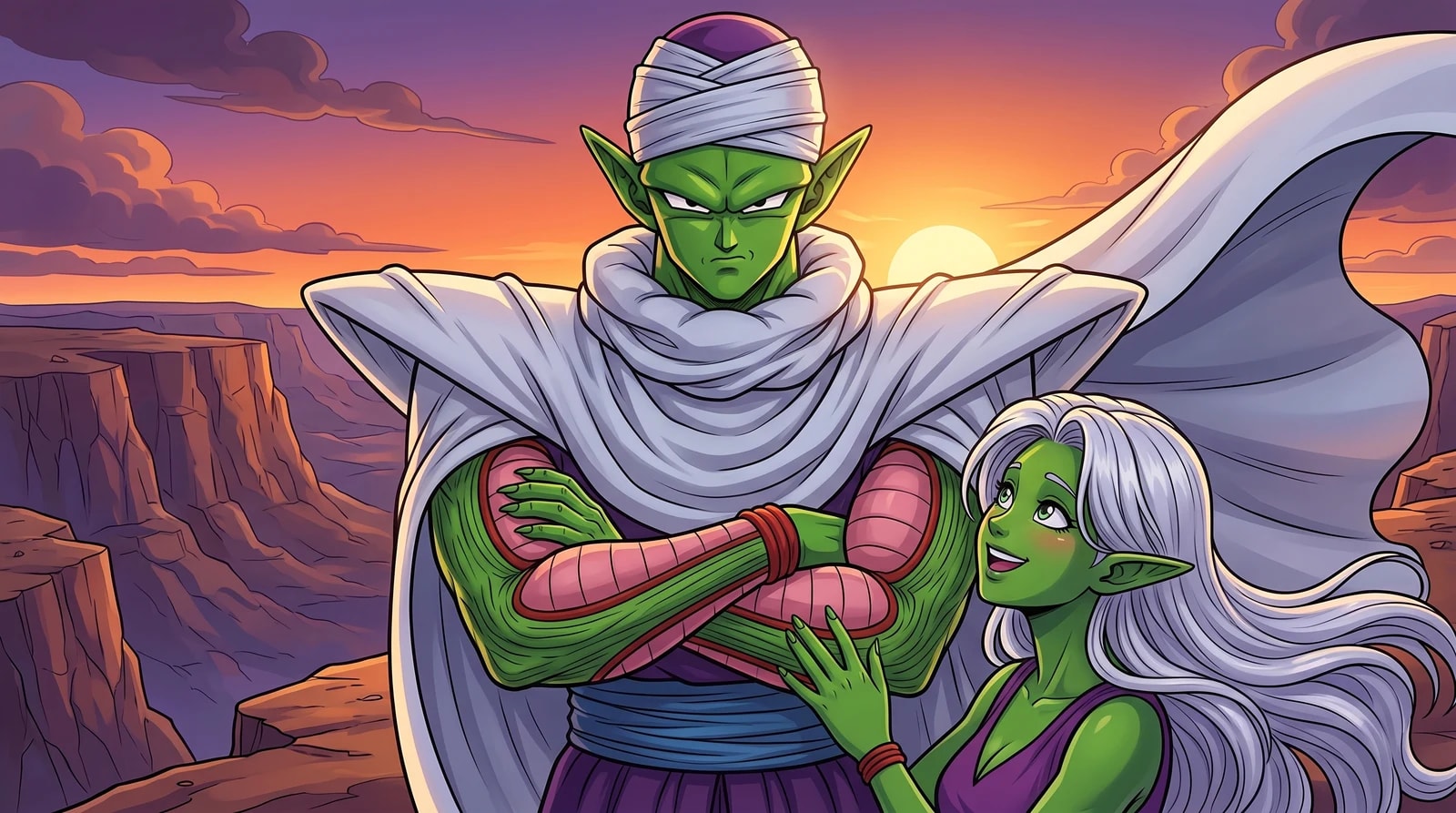
Piccolo Gets the Namek Hoes: Namek Has No Women, and He Pulls Anyway
There are no women on Namek. That isn't an oversight, it's the biology. Why we handed Piccolo the one thing his own species rules out, and why it had to be trap soul....
Frequently Asked Questions
Who is Tarkus in JoJo's Bizarre Adventure?
Tarkus, known as the Dark Knight, was a fearsome sixteenth-century British warrior executed after his side lost a war, later raised as a zombie by Dio Brando to serve him in Phantom Blood.
What is Tarkus's connection to Bruford?
Tarkus and Bruford were comrades in life, both knights who cleared the grueling Challenge of the 77 Rings together, but after Dio revives Tarkus as a zombie he turns on his old friend, branding him a disgrace and smashing his armor without hesitation.
How did Tarkus die the first time?
Tarkus was executed in 1565 after Queen Mary Stuart, whom he served, was killed despite a promised pardon. Enraged at the betrayal, he cursed Queen Elizabeth as he was beheaded.
What are Tarkus's abilities as a zombie?
As a zombie under Dio Brando, Tarkus can pulverize boulders with a single finger, tear bodies apart with his chain, and trap enemies in his Chain Neck Deathmatch, a forced fight to the death.
How does Tarkus die for good?
After Zeppeli passes his remaining Ripple energy into Jonathan Joestar, Jonathan breaks free of Tarkus's grip and finishes him with a Ripple-charged double punch to the face.
Sources & Information
Looking for more on Tarkus? The Dragon Ball Wiki on Fandom has a dedicated page with community notes.
View on FandomThis content is original writing by Daddy Jim Headquarters based on the Dragon Ball anime series, manga, and official materials. Episode and chapter references are cited where applicable.
Character and scene imagery on this site is original artwork by Daddy Jim Headquarters, not screenshots or licensed imagery. Official cover art is used on three types of pages for editorial commentary:
- Movie pages: theatrical posters and key visuals, credited to Toei Animation and Shueisha.
- Game pages: official box art, credited to Bandai Namco, Atari, and other publishers.
- Manga chapter pages: Jump Comics volume covers, credited to Shueisha and Akira Toriyama.
Official resources:
Help Us Keep This Wiki Accurate
Daddy Jim Headquarters maintains this encyclopedia. If you spot an error, a translation issue, or something that doesn't look right, let us know.