My Hero Academia: Heroes: Rising
MovieThe second animated feature strands Class 1-A on a quiet island with no teachers and no backup, then drops a dying villain who can hoard eight Quirks on their doorstep. Its climax hands One For All from Izuku Midoriya to Katsuki Bakugo, an idea Kohei Horikoshi salvaged from a discarded ending for the manga.
Overview
Bones produced the second My Hero Academia feature, and the first film's crew returned across the board: direction by Kenji Nagasaki, a script from Yosuke Kuroda, character designs by Yoshihiko Umakoshi, a score by Yuki Hayashi, and Kohei Horikoshi supervising while contributing designs of his own. Toho handled the 104-minute picture, which Weekly Shonen Jump announced in its seventeenth 2019 issue. Japanese screens got it that December 20, with North America and Britain following on February 26.
Planning began the very day Two Heroes opened, and Horikoshi involved himself far more heavily this time, shaping the outline and fussing over script details alongside Ryosuke Yoritomi, then editing the manga. The premise grew from a wish to see all of Class 1-A gang up on one overwhelming enemy, and it was Horikoshi who proposed the finale in which Izuku and Katsuki wield One For All together, a beat lifted from the ending he had once planned for the series. Wanting to outdo a first film he considered the franchise's peak, he pushed the antagonists past Wolfram's crew, designing Nine to linger after the credits and Chimera to break the habit of human-shaped villains.
Rather than slot into the anime's timeline, the story sits alongside the manga just past the Meta Liberation Army Arc, the moment Horikoshi judged right for the handoff given how One For All had evolved. That freedom let elements surface before the anime caught up, Hawks among them. Sumika performed the theme "Higher Ground", Makayla Phillips sang the insert "Might+U", and Japanese premiere audiences received Volume Rising, whose original Horikoshi chapter explains how Nine obtained his All For One Quirk.
Plot
A winter chase opens the film: pro heroes pursue a League of Villains truck hauling a life support tank, only for Endeavor's flames to melt the fleeing villains into sludge, exposing them as Twice's doubles, and for the tank to turn up empty. Its occupant, Nine, has already slipped into the woods to rejoin Chimera, Mummy, and Slice, telling them the experiment worked.
Class 1-A, meanwhile, runs Nabu Island as its own agency under the Hero Work Recommendation Project, fielding calls about dead tractor batteries and missing pets while Katsuki refuses to take any of them. Izuku befriends Katsuma Shimano, a boy who idolizes heroes despite a Quirk unsuited to fighting, and runs afoul of his protective sister Mahoro. Far away, Nine takes their father's Cell Activation Quirk and seizes up when it rejects him: it works only on type A blood and he is type B. Since Quirks run in bloodlines, he turns to the son.
The villains ram a ferry into the harbor and cut the island's communications. Nine's scan confirms Katsuma is compatible, and his stolen arsenal flattens Izuku and then Katsuki before his degenerating cells force a retreat. Katsuma heals both boys himself, working until he nearly collapses. Refusing to surrender him, the class moves every resident into a cave beneath Mount Shiroyama and plans to bleed Nine dry, since his illness caps how long he can hold his Quirks. Momo's cannons split the villains up, Fumikage's berserk Dark Shadow buries Slice, and Shoto freezes Chimera from the inside out, but Nine doses himself with his life support system and levels everything still standing.
Out of options, Izuku hands Katsuki One For All. The two tear the firestorm apart and finish Nine with Explosion combined with a full-power St. Louis Smash, dropping him into the ocean as the borrowed power gutters out. Toshinori later finds the embers still burning inside Izuku, the Quirk having refused to leave a boy willing to give it up for strangers. Tomura Shigaraki reaches the dying Nine first, promises to inherit the world he wanted, and decays him. Katsuki wakes with no memory of ever holding One For All.
Reception
Japan accounted for roughly $15.1 million and American and Canadian screens for $13.5 million, adding up to about $28.7 million worldwide; Box Office Mojo lists $29,187,012.
Its Japanese opening placed third on ¥422 million, some $3.86 million, over three days. It held third in week two, slid to fourth and then seventh, left the top ten in its fifth weekend, briefly resurfaced at ninth, and passed the first film's gross by its ninth.
Day one in America brought $2.47 million across 1,275 theaters, enough to top the chart. The opening weekend reached $5.1 million for a five-day tally of $8.5 million and fourth place. Among anime films sold in the United States, it sits fourteenth.
Related Reading
See all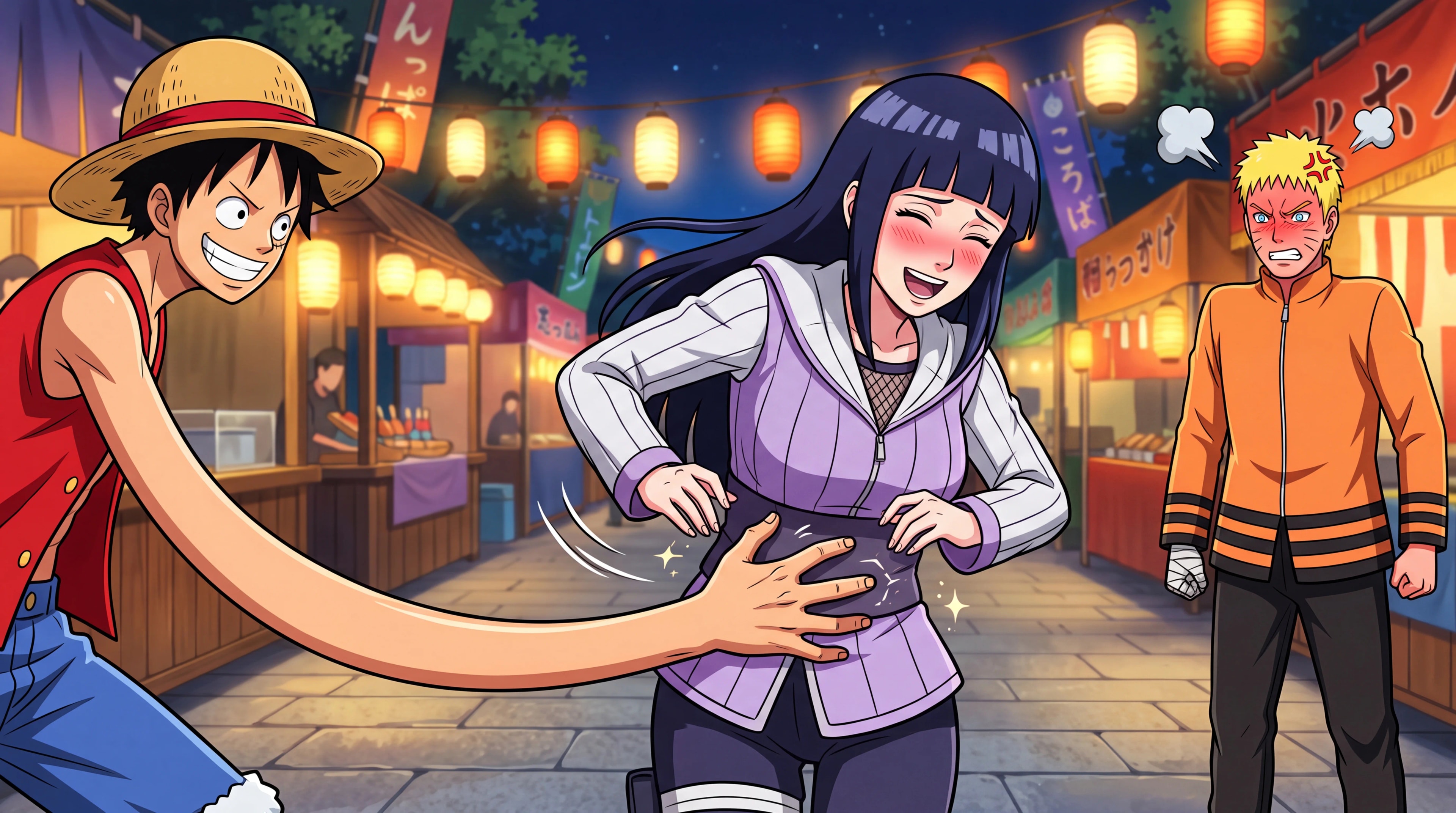
Naruto vs Luffy: Does the Fight Change if Luffy Tickles Hinata?
Naruto vs Luffy with the twist nobody asked for: Luffy tickled Hinata on date night, and she kind of liked it. We break down the whole fight and commit to a winner....
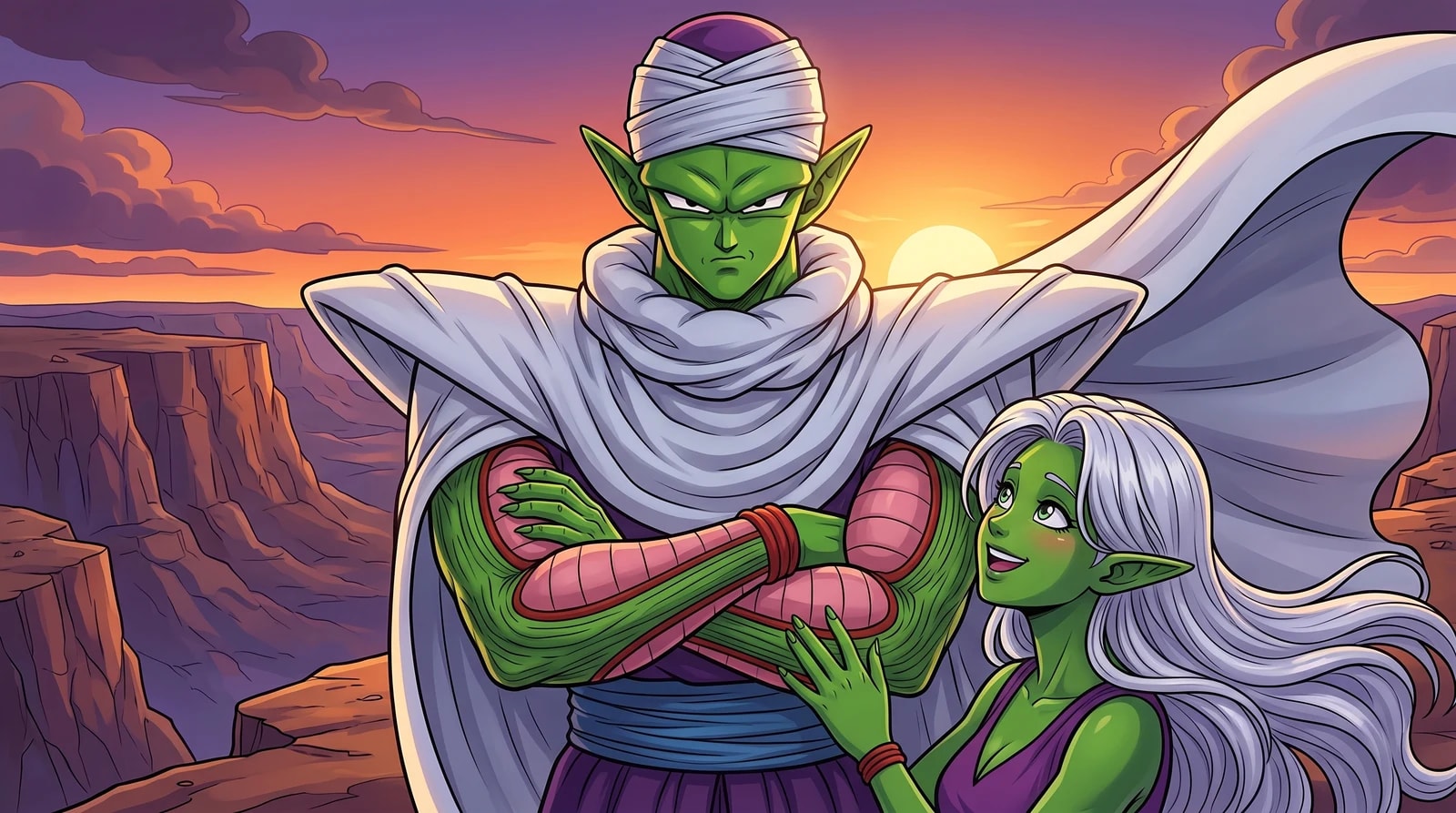
Piccolo Gets the Namek Hoes: Namek Has No Women, and He Pulls Anyway
There are no women on Namek. That isn't an oversight, it's the biology. Why we handed Piccolo the one thing his own species rules out, and why it had to be trap soul....
Frequently Asked Questions
Where does My Hero Academia: Heroes: Rising fit in the timeline?
My Hero Academia: Heroes: Rising does not slot into the anime's episode order. Instead, the story sits alongside the manga just past the Meta Liberation Army Arc, the point Kohei Horikoshi judged right for One For All's handoff.
What is My Hero Academia: Heroes: Rising about?
My Hero Academia: Heroes: Rising follows Class 1-A running Nabu Island as its own hero agency when the villain Nine, who can hoard up to eight Quirks, attacks in search of a blood donor compatible with his failing Cell Activation Quirk. The class defends the island and its residents, including the boy Nine is hunting, Katsuma Shimano.
Who is the main villain in My Hero Academia: Heroes: Rising?
The main villain in My Hero Academia: Heroes: Rising is Nine, a dying villain with the stolen ability to hoard up to eight Quirks at once. He targets the boy Katsuma Shimano because his blood type is compatible with Nine's inherited Cell Activation Quirk.
Who ends up with One For All in My Hero Academia: Heroes: Rising?
In the climax of My Hero Academia: Heroes: Rising, Izuku Midoriya hands One For All to Katsuki Bakugo so the two can finish off Nine together. The idea came from an ending Kohei Horikoshi had once planned for the manga's finale.
How much did My Hero Academia: Heroes: Rising make at the box office?
My Hero Academia: Heroes: Rising earned about $28.7 million worldwide, with roughly $15.1 million from Japan and $13.5 million from the United States and Canada. Box Office Mojo lists the total as $29,187,012.
Sources & Information
Looking for more on My Hero Academia: Heroes: Rising? The Dragon Ball Wiki on Fandom has a dedicated page with community notes.
View on FandomThis content is original writing by Daddy Jim Headquarters based on the Dragon Ball anime series, manga, and official materials. Episode and chapter references are cited where applicable.
Character and scene imagery on this site is original artwork by Daddy Jim Headquarters, not screenshots or licensed imagery. Official cover art is used on three types of pages for editorial commentary:
- Movie pages: theatrical posters and key visuals, credited to Toei Animation and Shueisha.
- Game pages: official box art, credited to Bandai Namco, Atari, and other publishers.
- Manga chapter pages: Jump Comics volume covers, credited to Shueisha and Akira Toriyama.
Official resources:
Help Us Keep This Wiki Accurate
Daddy Jim Headquarters maintains this encyclopedia. If you spot an error, a translation issue, or something that doesn't look right, let us know.