Tsubaki (Novel)
CharacterTsubaki is a young boy from Nazawaka City in the novel ZORO. After fire claimed the town's paper workshop where his parents worked, his grief and rage drove him to ask Roronoa Zoro to assassinate the village headman.
Appearance
Zoro pegs Tsubaki as a child of under ten years, slight in build with short, pale hair. While tending a townswoman's garden he turned out in a white top, black trousers, and a bandana.

Personality
Beyond his years in some ways, Tsubaki earns money by working for a local woman, yet his feelings run to extremes. His loathing of Taketo grew fierce enough that he tried to hire an assassin to kill the headman. He nurses a bitter hatred for Taketo Nazawa, the former village head, over the man's refusal to fund rebuilding the paper workshop, while remaining warm toward Umeno Nazawa, an old acquaintance through their families, who was willing to look past his murder scheme.
Related Reading
See all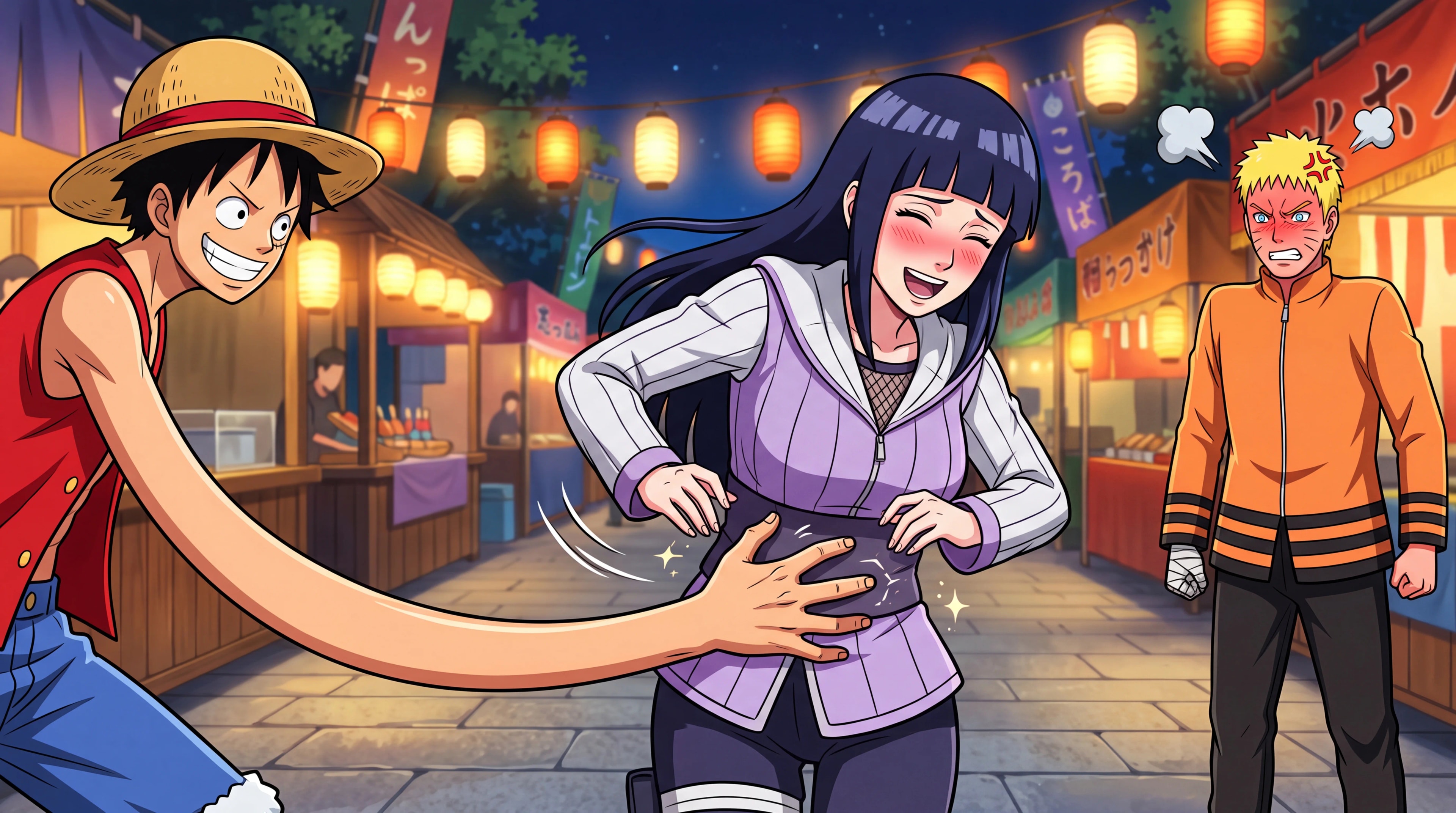
Naruto vs Luffy: Does the Fight Change if Luffy Tickles Hinata?
Naruto vs Luffy with the twist nobody asked for: Luffy tickled Hinata on date night, and she kind of liked it. We break down the whole fight and commit to a winner....

The Most Popular Women of One Piece: A Fan's Journey Through Anime's Greatest Female Characters...
When I first decided to commit to watching One Piece seriously, I knew I was embarking on one of anime's longest and most beloved series. With over 100...
History
While watering a garden, Tsubaki accidentally splashed Zoro, then apologized in a rush; Zoro shrugged it off and poured the rest over his own head for a bath. Two weeks later the boy crept into the headman's estate and set the front gate ablaze, slipping out the back but spotted by Zoro. After another fortnight he found the swordsman outside a Marine base and begged him to kill Taketo, offering his garden savings, but Zoro named a price far higher, so Tsubaki instead promised an heirloom called Mihawk's Chasing Crane. Believing it hidden in the Mihawk Memorial Museum, the two recruited Umeno to sneak in, only to turn up a paper crane Tsubaki himself had folded from Seven-Colored Paper. That clue led Zoro to dig through the Nazawa estate's trash and recover a sheet of the same paper, which proved that Taketo had lied about all of it burning. The trio reasoned he had stolen the production documents and set the fire deliberately, having tried to kill Tsubaki's parents. The Marines closed a rigged investigation declaring Taketo innocent, but Zoro tied Tsubaki's name to a song by the late headman Matsuba Nazawa, leading them back to the museum, where they found a will naming Umeno the rightful head. To stop Taketo finalizing a sale of the paper, Zoro broke the river embankment while Tsubaki warned the townsfolk, and they recovered the blueprints. Six months on, a new paper factory stood in Nazawaka City.
Frequently Asked Questions
Is Tsubaki a girl or boy in the novel ZORO?
In the One Piece novel ZORO, Tsubaki is a boy, a child under ten years old from Nazawaka City with a slight build and short pale hair.
Who is Tsubaki in the novel ZORO?
Tsubaki is a young boy from Nazawaka City in the novel ZORO who asks Roronoa Zoro to assassinate the village headman after fire destroys the paper workshop where his parents worked.
Why does Tsubaki want Taketo Nazawa killed?
Tsubaki hates Taketo Nazawa, the former village headman, for refusing to fund the rebuilding of the paper workshop after a fire destroyed it and killed his parents, a fire it was later revealed Taketo had set deliberately.
How does Tsubaki help expose Taketo Nazawa's crimes?
Tsubaki assists Zoro and Umeno Nazawa by helping search the Mihawk Memorial Museum and the Nazawa estate's trash, uncovering paper evidence that proves Taketo lied about the workshop's records burning and had stolen the production documents.
What happens to Nazawaka City at the end of Tsubaki's story?
After Zoro and Tsubaki expose Taketo Nazawa's crimes and stop him from selling off the paper blueprints, a new paper factory is built in Nazawaka City within six months.
Sources & Information
Looking for more on Tsubaki (Novel)? The One Piece Wiki on Fandom has a dedicated page with community notes.
View on FandomThis content is original writing by Daddy Jim Headquarters based on the One Piece anime series, manga, and official materials. Episode and chapter references are cited where applicable.
Rights holders
- Created byEiichiro Oda
- Published byShueisha
- Animated byToei Animation
All rights belong to their respective owners.
Character and scene imagery on this site is original artwork by Daddy Jim Headquarters, not screenshots or licensed imagery. Official cover art is used on three types of pages for editorial commentary:
- Movie pages: theatrical posters and key visuals, credited to Toei Animation and Toei Company.
- Game pages: official box art for the One Piece console and mobile games, credited to Bandai Namco.
- Manga chapter pages: Jump Comics volume covers, credited to Shueisha and Eiichiro Oda.
Official resources:
Help Us Keep This Wiki Accurate
Daddy Jim Headquarters maintains this encyclopedia. If you spot an error, a translation issue, or something that doesn't look right, let us know.
