Akitarō Daichi
DirectorAkitaro Daichi is a Japanese anime director and producer who contributed storyboard work to episodes of the Toei Animation series One Piece.
One Piece Role
Within the One Piece franchise, Daichi is credited with storyboard work on select episodes rather than serving in an overall directing capacity for the series. This kind of freelance contribution is typical for veteran anime directors who lend episode-level talent to long-running series outside their own productions.
Career and Notable Roles
Daichi has built his career primarily as a director, known for helming Kodomo no Omocha (Kodocha), Jubei-chan: The Ninja Girl, and the 2001 television adaptation of Fruits Basket, in addition to working as a producer and photography director on various other productions.
Frequently Asked Questions
What was Akitaro Daichi's contribution to One Piece?
Within the One Piece franchise, Akitaro Daichi contributed storyboard work to select episodes rather than serving as an overall director. This kind of freelance, episode-level contribution is common for veteran anime directors lending talent to long-running series outside their own productions.
What anime series is Akitaro Daichi known for directing?
Akitaro Daichi is primarily known for directing Kodomo no Omocha, also called Kodocha, one of the signature titles of his career as an anime director.
What other work has Akitaro Daichi directed?
Beyond Kodocha, Daichi directed Jubei-chan: The Ninja Girl, another anime series that helped define his career behind the camera.
Did Akitaro Daichi direct any other well-known TV adaptations?
Daichi also directed the 2001 television adaptation of Fruits Basket, adding a major shojo franchise to his directing credits.
Has Akitaro Daichi worked in production roles beyond directing?
Outside of directing, Daichi has worked as a producer and photography director on various other anime productions, broadening his role in the industry beyond a single job title.
Related Reading
See all
The Most Popular Women of One Piece: A Fan's Journey Through Anime's Greatest Female Characters...
When I first decided to commit to watching One Piece seriously, I knew I was embarking on one of anime's longest and most beloved series. With over 100...
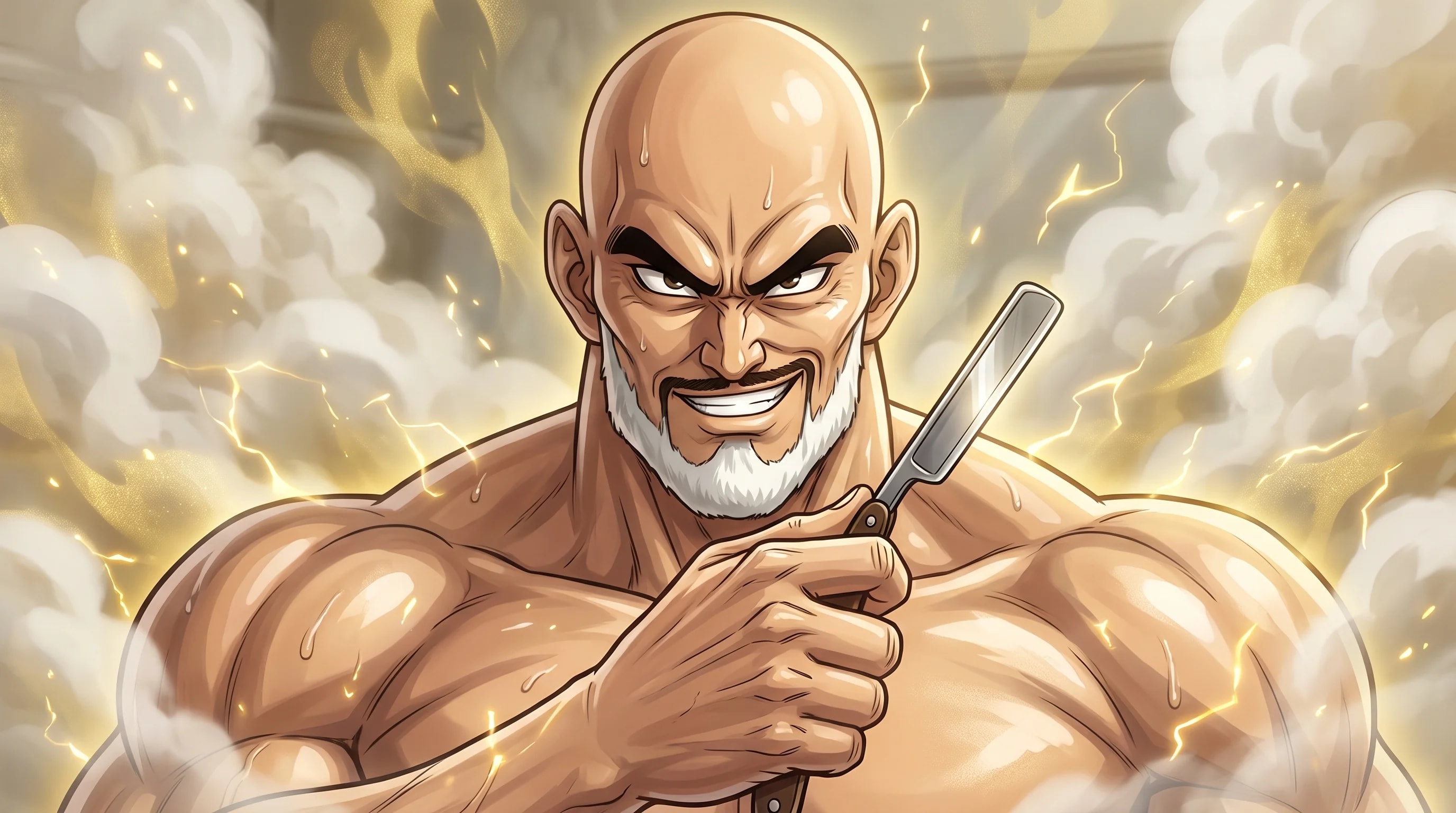
Super Saiyan Pubes: The Song About Where Super Saiyan Hair Actually Goes
The transformation everyone knows, the follow-up question nobody would touch. Why we made a smooth R&B track about the golden glow Dragon Ball never talks about....
Sources & Information
This content is original writing by Daddy Jim Headquarters based on the One Piece anime series, manga, and official materials. Episode and chapter references are cited where applicable.
Character and scene imagery on this site is original artwork by Daddy Jim Headquarters, not screenshots or licensed imagery. Official cover art is used on three types of pages for editorial commentary:
- Movie pages: theatrical posters and key visuals, credited to Toei Animation and Toei Company.
- Game pages: official box art for the One Piece console and mobile games, credited to Bandai Namco.
- Manga chapter pages: Jump Comics volume covers, credited to Shueisha and Eiichiro Oda.
Official resources:
Help Us Keep This Wiki Accurate
Daddy Jim Headquarters maintains this encyclopedia. If you spot an error, a translation issue, or something that doesn't look right, let us know.