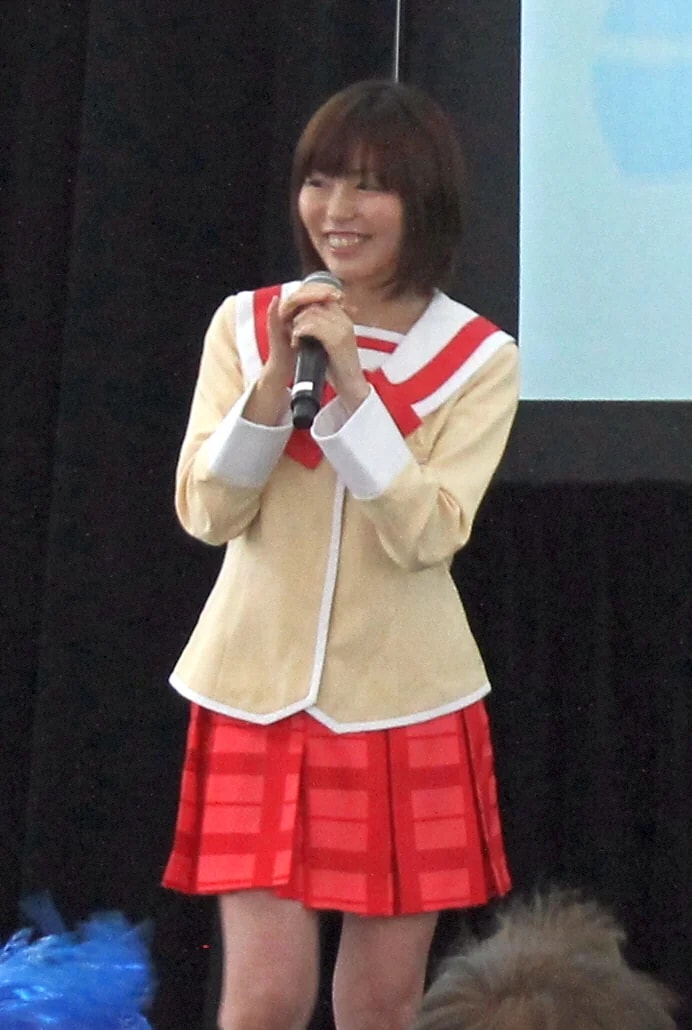
Mai Aizawa
Voice ActorVoice actress and singer Mai Aizawa, who works under Aoni Production, provides the Japanese voices of Ginko and Ageha Woman in the Toei Animation series One Piece.
One Piece Role
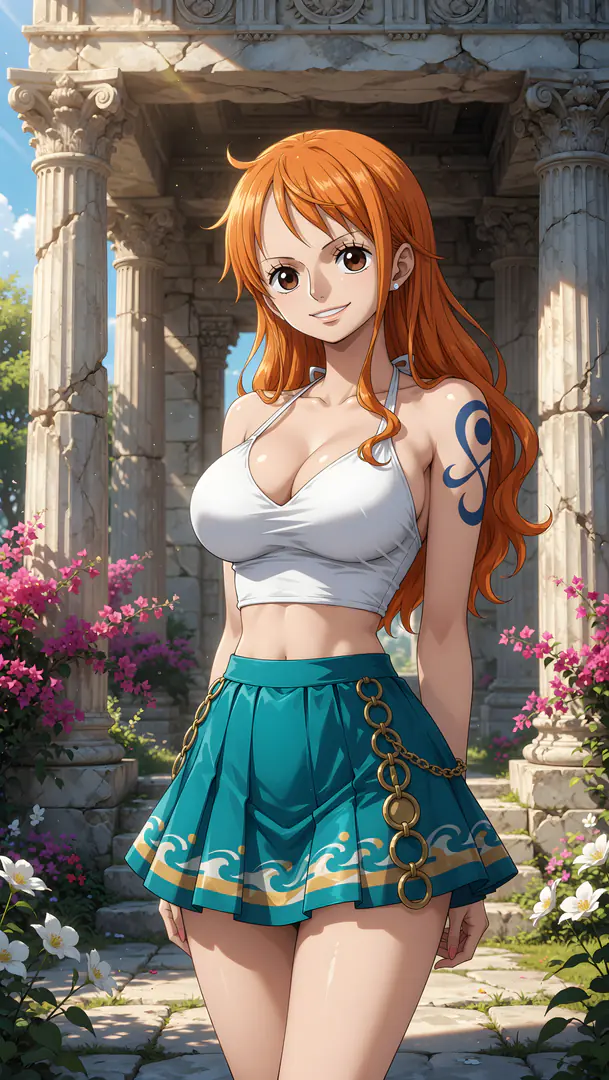
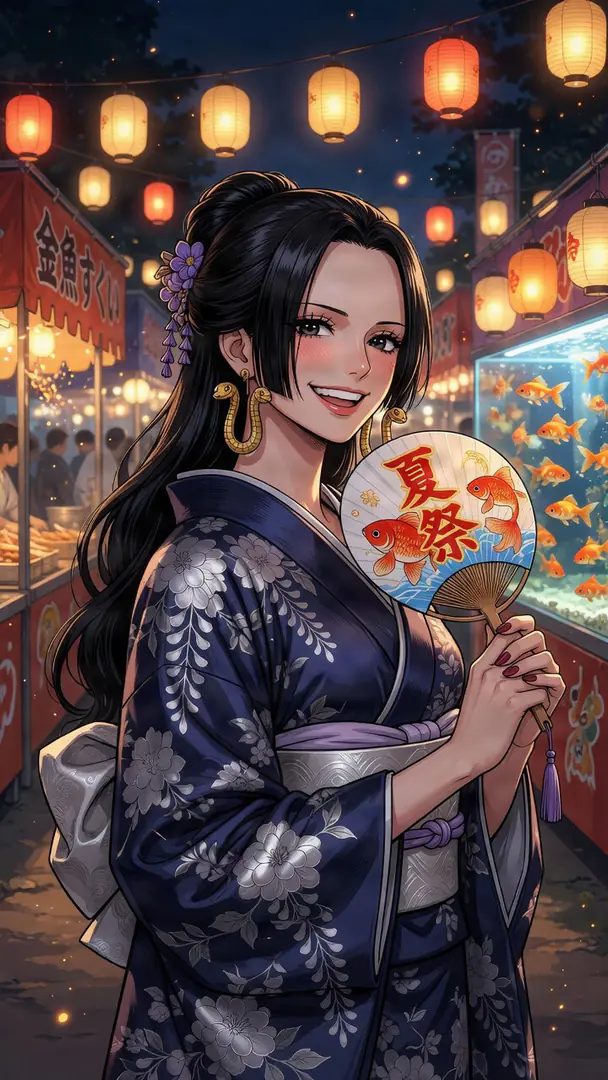
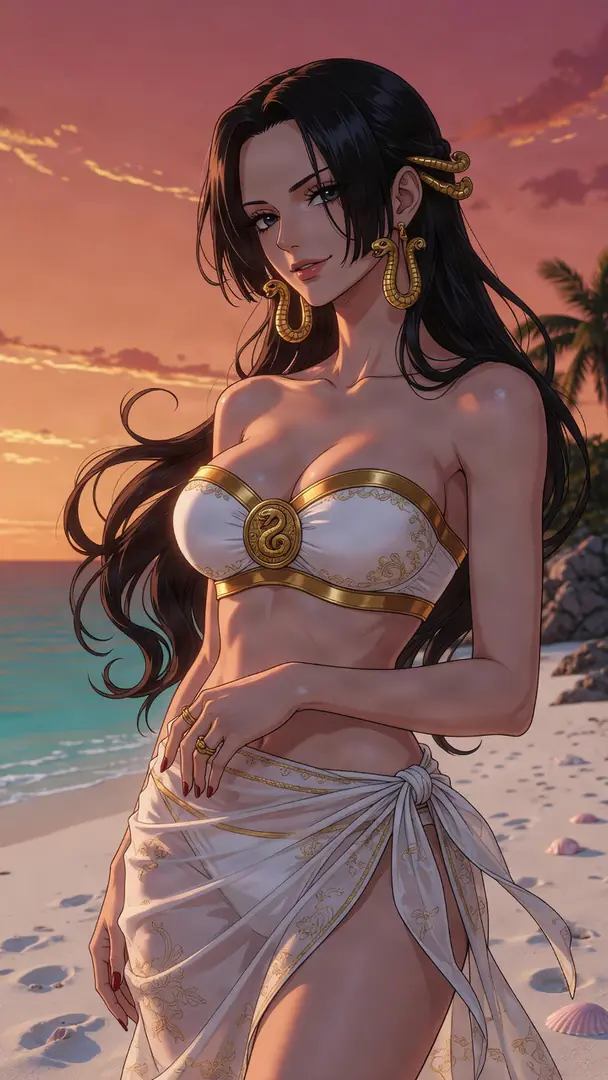
Aizawa voices Ginko and Ageha Woman in the Japanese-language version of One Piece, contributing to the anime's large ensemble of guest and recurring characters. Both roles form part of her broader work as a prolific supporting-cast voice actress in anime.
Career and Notable Roles
Aizawa's other credits include Nichijou's Mio Naganohara, Negima's Natsumi Murakami, and Lucky Star's Ayano, alongside Marie Rose in the Dead or Alive game franchise. She has also recorded music through Aoni Production, releasing an album called Moi with cover art by Ken Akamatsu, and has contributed theme songs to Japanese television programming.
Frequently Asked Questions
Who does Mai Aizawa voice in One Piece?
Mai Aizawa voices Ginko and Ageha Woman in the Japanese language version of One Piece. Both roles contribute to the anime's large ensemble of guest and recurring characters.
What other anime characters has Mai Aizawa voiced?
Aizawa's other anime credits include Mio Naganohara in Nichijou, Natsumi Murakami in Negima, and Ayano in Lucky Star. These supporting roles reflect her broad work across comedic and slice of life anime.
What video game characters has Mai Aizawa voiced?
Mai Aizawa voices Marie Rose in the Dead or Alive game franchise. It is one of her notable credits outside television anime.
Is Mai Aizawa also a singer?
Yes, Mai Aizawa has recorded music through Aoni Production, releasing an album called Moi with cover art by illustrator Ken Akamatsu. She has also contributed theme songs to Japanese television programming.
When did Mai Aizawa start her voice acting career?
Mai Aizawa has worked as a voice actress since 2004. She is affiliated with the talent agency Aoni Production, the same agency behind much of her career.
Related Reading
See all
The Most Popular Women of One Piece: A Fan's Journey Through Anime's Greatest Female Characters...
When I first decided to commit to watching One Piece seriously, I knew I was embarking on one of anime's longest and most beloved series. With over 100...
Super Saiyan Pubes: The Song About Where Super Saiyan Hair Actually Goes
The transformation everyone knows, the follow-up question nobody would touch. Why we made a smooth R&B track about the golden glow Dragon Ball never talks about....
Sources & Information
This content is original writing by Daddy Jim Headquarters based on the One Piece anime series, manga, and official materials. Episode and chapter references are cited where applicable.
Character and scene imagery on this site is original artwork by Daddy Jim Headquarters, not screenshots or licensed imagery. Official cover art is used on three types of pages for editorial commentary:
- Movie pages: theatrical posters and key visuals, credited to Toei Animation and Toei Company.
- Game pages: official box art for the One Piece console and mobile games, credited to Bandai Namco.
- Manga chapter pages: Jump Comics volume covers, credited to Shueisha and Eiichiro Oda.
Official resources:
Help Us Keep This Wiki Accurate
Daddy Jim Headquarters maintains this encyclopedia. If you spot an error, a translation issue, or something that doesn't look right, let us know.