Dead Scream
CharacterDead Scream is Sailor Pluto's grim signature attack, an energy blast drawn from death, darkness, and the underworld. She channels it through the Garnet Rod, and for much of the classic anime it stands as her only means of striking back.
Overview
This technique defines Sailor Pluto across nearly every telling of the franchise. Its power leans on themes of death and the underworld, a fitting match for a guardian named after the Roman ruler of that realm. Through the manga, the anime, Sailor Moon Crystal, and a range of games, the move remains her chief weapon, and in the original anime it was the sole offensive ability she carried until her later upgrade, Chronos Typhoon.
Mechanics
To cast it, Pluto lifts the Garnet Rod overhead while a small whirlwind gathers around her. She names the attack, and the wind draws into the Garnet Orb to form a glowing purple sphere. Turning once with the rod held before her, she fires the pale violet energy at her foe, leaving the target crying out in pain. Oddly, she tends to murmur the words rather than shout them. Much like the related moves of Neptune and Uranus, the blast takes on the shape of the user's own planet, though Pluto's lacks a ring. She can also merge it with Deep Submerge and World Shaking to produce a punishing combined assault.


Notable Users
Sailor Pluto is the only wielder of Dead Scream. In the manga it debuts in Act 19 as an energy blast fired at an enemy. The anime introduces it in episode 112 against the Daimon U-Estern, and it later features in the second and third theatrical films. Within Sailor Moon Crystal she first uses it in her introductory appearance to block Sailor Moon, Sailor Venus, Tuxedo Mask, and the two guardian cats from reaching the Space-Time Door, then again to slay Tellu and shield Sailor Chibi Moon. During Sailor Moon Eternal she pairs it with Sailor Uranus's World Shaking to free the inner guardians from the Amazoness Quartet's vines. Several games also let her cast it, among them Bishoujo Senshi Sailor Moon: Another Story. English adaptations have renamed it, becoming Pluto Deadly Scream in the Cloverway dub while the Viz version keeps the original title.
Related Reading
See all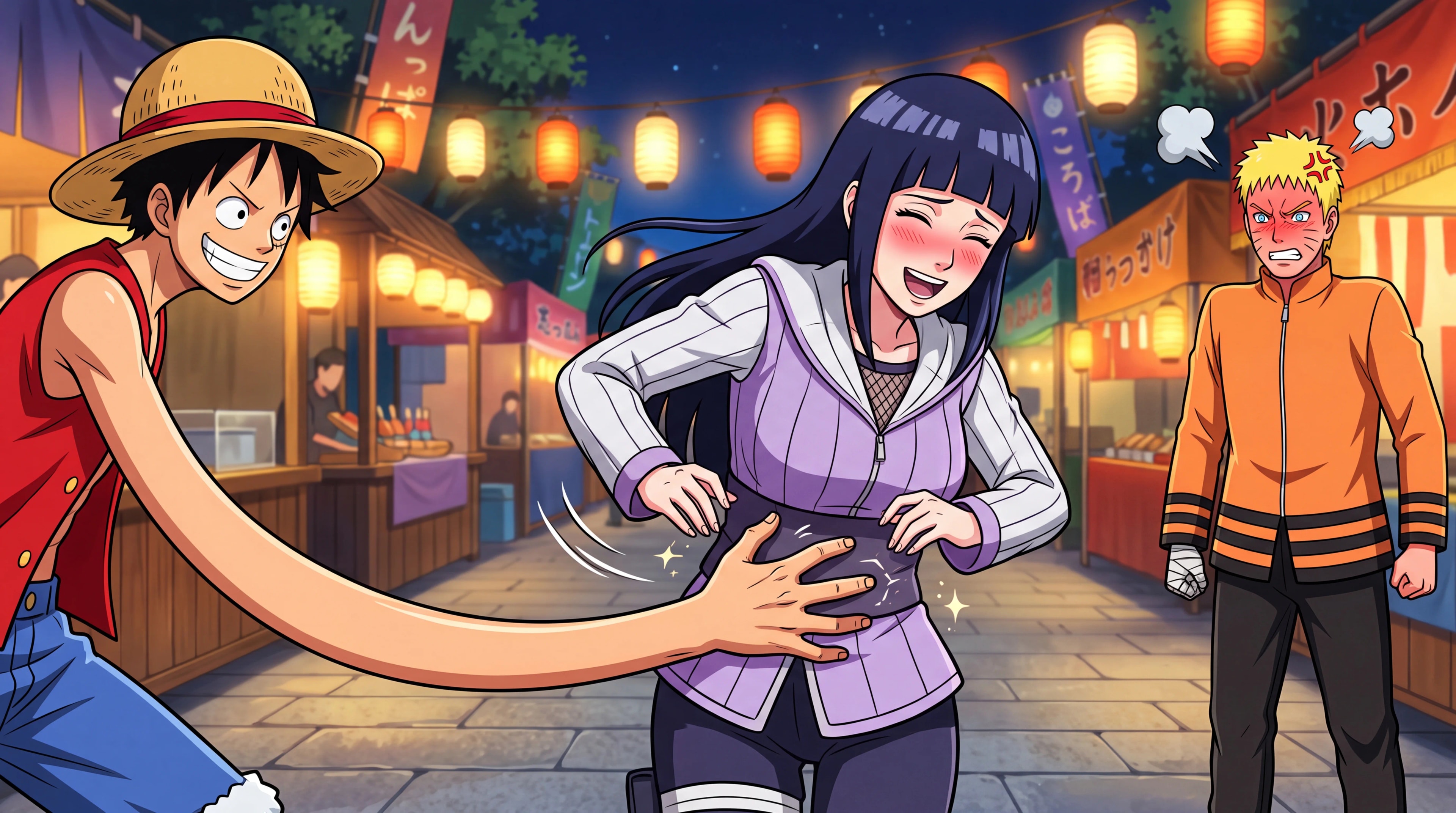
Naruto vs Luffy: Does the Fight Change if Luffy Tickles Hinata?
Naruto vs Luffy with the twist nobody asked for: Luffy tickled Hinata on date night, and she kind of liked it. We break down the whole fight and commit to a winner....
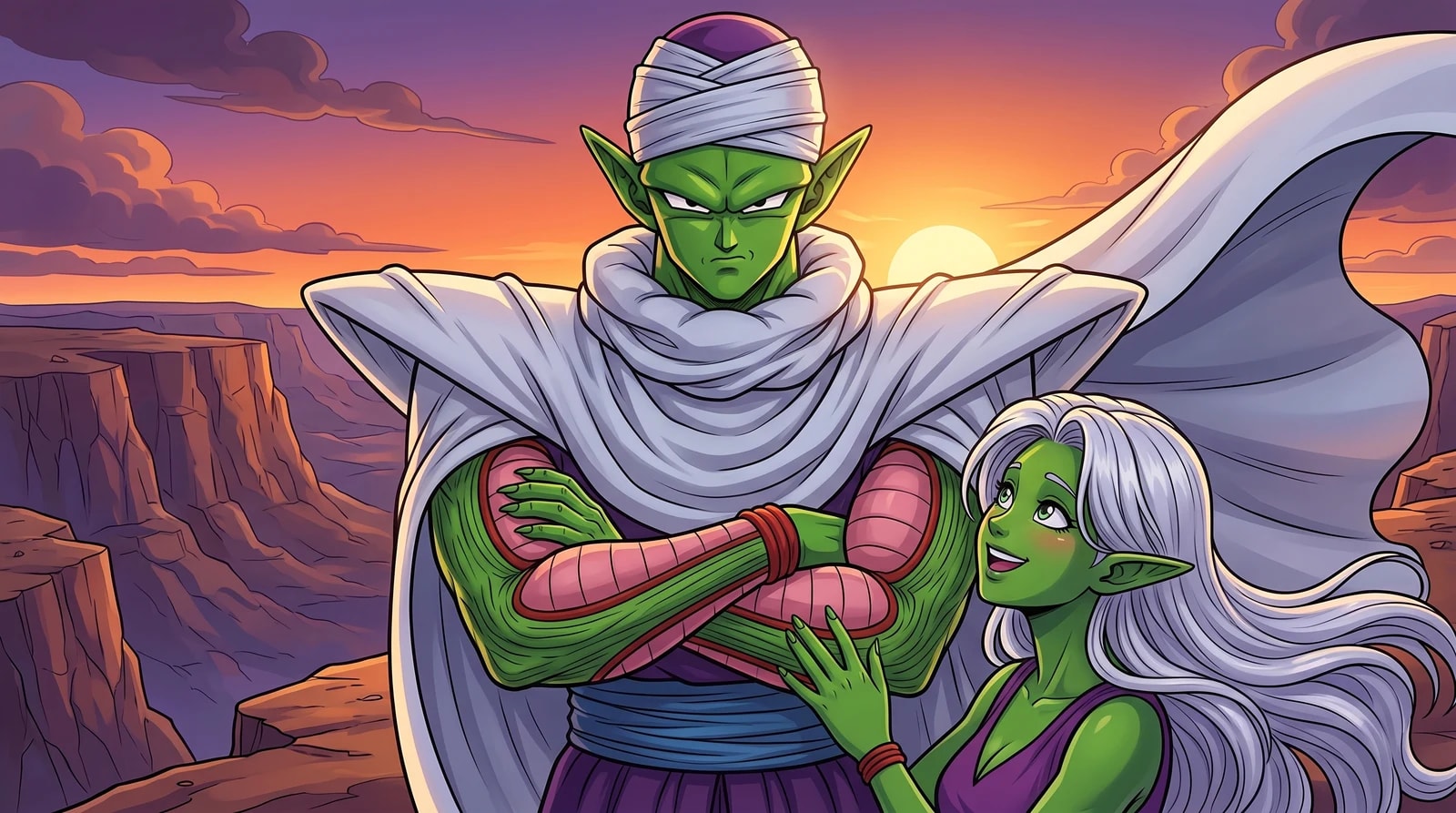
Piccolo Gets the Namek Hoes: Namek Has No Women, and He Pulls Anyway
There are no women on Namek. That isn't an oversight, it's the biology. Why we handed Piccolo the one thing his own species rules out, and why it had to be trap soul....
Frequently Asked Questions
What is Sailor Pluto's attack?
Sailor Pluto's signature attack is Dead Scream, a purple energy blast tied to death, darkness, and the underworld that she fires from the Garnet Rod; for much of the classic anime it was her only means of striking back.
How does Sailor Pluto perform Dead Scream?
To cast Dead Scream, Pluto raises the Garnet Rod overhead as a whirlwind gathers, then turns once and fires a glowing violet sphere of energy at her foe while quietly murmuring the attack's name.
When did Dead Scream first appear?
Dead Scream first appears in Act 19 of the manga and in episode 112 of the classic anime, where Sailor Pluto uses it against the Daimon U-Estern.
Can Dead Scream be combined with other attacks?
Yes, Sailor Pluto can merge Dead Scream with Sailor Neptune's Deep Submerge and Sailor Uranus's World Shaking to unleash a stronger combined assault.
Does Dead Scream have an English dub name?
The Cloverway English dub renamed the attack Pluto Deadly Scream, while the Viz release kept the original title, Dead Scream.
Sources & Information
Looking for more on Dead Scream? The Dragon Ball Wiki on Fandom has a dedicated page with community notes.
View on FandomThis content is original writing by Daddy Jim Headquarters based on the Dragon Ball anime series, manga, and official materials. Episode and chapter references are cited where applicable.
Character and scene imagery on this site is original artwork by Daddy Jim Headquarters, not screenshots or licensed imagery. Official cover art is used on three types of pages for editorial commentary:
- Movie pages: theatrical posters and key visuals, credited to Toei Animation and Shueisha.
- Game pages: official box art, credited to Bandai Namco, Atari, and other publishers.
- Manga chapter pages: Jump Comics volume covers, credited to Shueisha and Akira Toriyama.
Official resources:
Help Us Keep This Wiki Accurate
Daddy Jim Headquarters maintains this encyclopedia. If you spot an error, a translation issue, or something that doesn't look right, let us know.