Jupiter Coconut Cyclone
CharacterJupiter Coconut Cyclone is a lightning-driven strike in Sailor Jupiter's arsenal, turning up across the manga, Crystal, the stage musicals, and several video games. She kneads gathered electricity into a spinning orb and hurls it, unleashing a broad, high-voltage burst on whatever she targets.
Overview
Classed as an electricity-based move, this technique sits among Sailor Jupiter's stronger offensive options and eventually leads into her Jupiter Oak Evolution. It reaches players and readers alike, showing up in the manga, the Crystal continuity, the musicals, and a run of games. Presentation shifts from one medium to the next, but the core idea stays constant: a concentrated charge released as a sweeping electrical blast.

Mechanics
Sailor Jupiter draws lightning through the antenna set into her tiara, then lifts both arms overhead and spins at speed to shape the charge into a blue sphere of electricity. The orb swells before she launches it, and on contact it detonates into a wide, ball-shaped burst that pushes out waves of high-voltage force. An earlier manga version played out more simply, showing her fire energy straight from her palm as wind coiled around her. Fighting-game renditions turn the sphere into a rolling storm of current that erupts wherever it lands.


Notable Users
Sailor Jupiter alone commands the move. Its manga debut comes in Act 27, where she uses the current to wipe out a Daimon. In Crystal she pairs it with Sailor Venus and the Venus Wink Chain Sword to finish another Daimon. On stage it first surfaces in the Sailor Moon S musical to clear away a pair of Death Nightmares, and it also appears in titles such as Another Story and the SuperS game. Although the first television anime never featured the attack, Emi Shinohara voiced Jupiter calling it out in Another Story.
Related Reading
See all
Naruto vs Luffy: Does the Fight Change if Luffy Tickles Hinata?
Naruto vs Luffy with the twist nobody asked for: Luffy tickled Hinata on date night, and she kind of liked it. We break down the whole fight and commit to a winner....
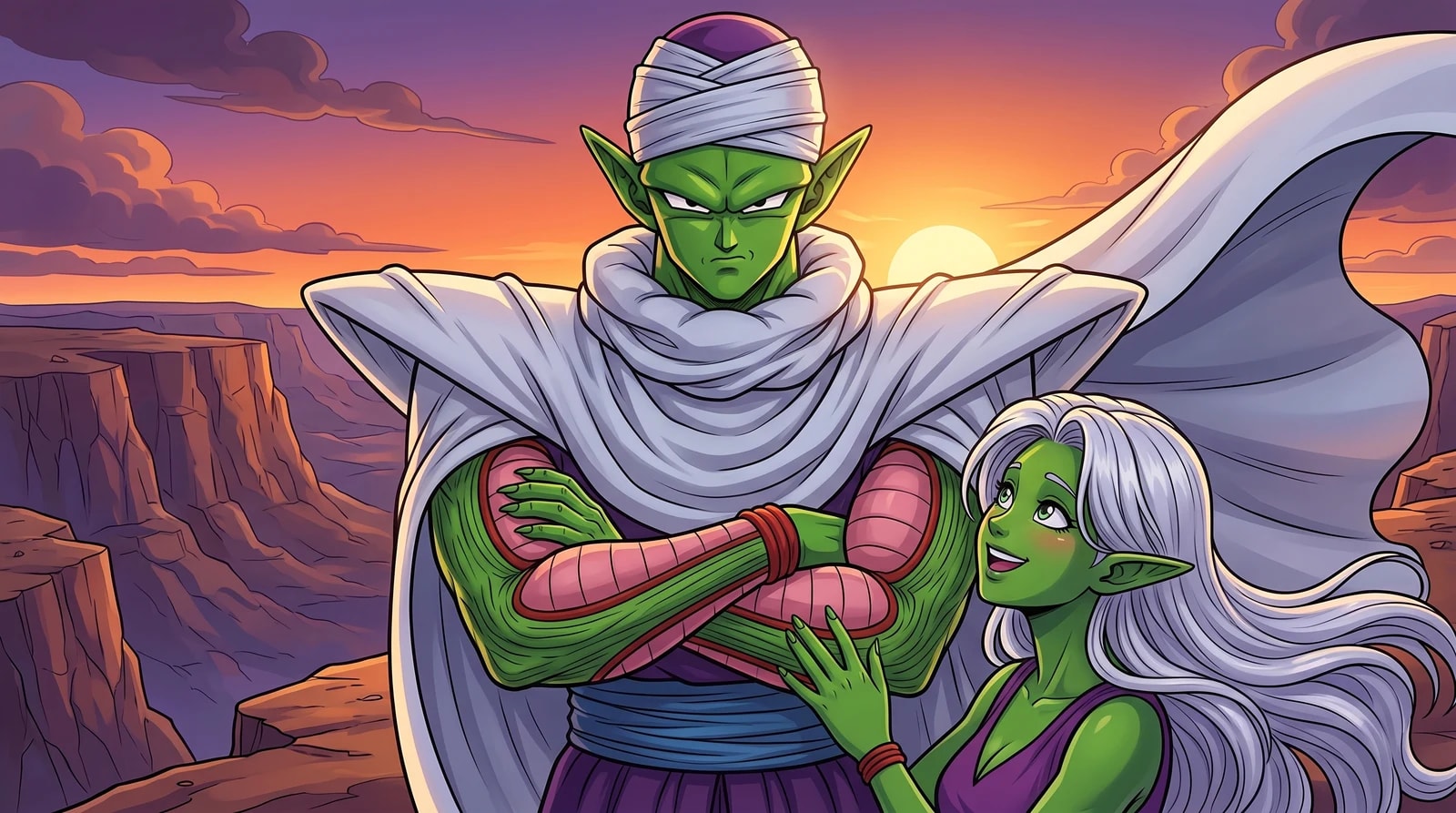
Piccolo Gets the Namek Hoes: Namek Has No Women, and He Pulls Anyway
There are no women on Namek. That isn't an oversight, it's the biology. Why we handed Piccolo the one thing his own species rules out, and why it had to be trap soul....

Frequently Asked Questions
What is Jupiter Coconut Cyclone?
Jupiter Coconut Cyclone is an electricity-based attack used by Sailor Jupiter in the Sailor Moon manga, Crystal, the stage musicals, and several video games. She gathers lightning into a spinning orb and hurls it at her target, unleashing a wide, high-voltage blast.
How does Sailor Jupiter perform Jupiter Coconut Cyclone?
Sailor Jupiter draws lightning through the antenna in her tiara, raises both arms overhead, and spins rapidly to shape the charge into a blue sphere of electricity. She then launches the growing orb, which explodes into a wide, ball-shaped burst of high-voltage force on contact.
Who uses Jupiter Coconut Cyclone in Sailor Moon?
Sailor Jupiter is the only character who uses Jupiter Coconut Cyclone. She first uses it in Act 27 of the manga to destroy a Daimon, and in Crystal she pairs it with Sailor Venus's Venus Wink Chain Sword to defeat another Daimon.
What attack does Jupiter Coconut Cyclone lead into?
Jupiter Coconut Cyclone eventually leads into Sailor Jupiter's stronger attack, Jupiter Oak Evolution, making it one of the stepping stones in her offensive arsenal.
Did Jupiter Coconut Cyclone appear in the original Sailor Moon anime?
No, Jupiter Coconut Cyclone never appeared in the first Sailor Moon television anime. It does appear in the manga, Crystal, the Sailor Moon S stage musical, and video games such as Another Story and the SuperS game.
Sources & Information
Looking for more on Jupiter Coconut Cyclone? The Dragon Ball Wiki on Fandom has a dedicated page with community notes.
View on FandomThis content is original writing by Daddy Jim Headquarters based on the Dragon Ball anime series, manga, and official materials. Episode and chapter references are cited where applicable.
Character and scene imagery on this site is original artwork by Daddy Jim Headquarters, not screenshots or licensed imagery. Official cover art is used on three types of pages for editorial commentary:
- Movie pages: theatrical posters and key visuals, credited to Toei Animation and Shueisha.
- Game pages: official box art, credited to Bandai Namco, Atari, and other publishers.
- Manga chapter pages: Jump Comics volume covers, credited to Shueisha and Akira Toriyama.
Official resources:
Help Us Keep This Wiki Accurate
Daddy Jim Headquarters maintains this encyclopedia. If you spot an error, a translation issue, or something that doesn't look right, let us know.