Jupiter Oak Evolution
CharacterJupiter Oak Evolution stands as Sailor Jupiter's mightiest solo attack, blending plant and lightning power. She scatters a column of oak leaves, charges them with electricity, and fires leaf-shaped bolts at her foe. The move runs through the manga, the 1990s anime, Crystal, the musicals, and numerous games.
Overview
Ranked as her strongest individual technique, this attack fuses the botanical and electrical sides of Sailor Jupiter's power. It debuts alongside her Super form and follows her through nearly every version of the story. The blend of foliage and lightning gives it a distinct look, and the leaf motif ties directly to the imagery of her planet and its mythological namesake.


Mechanics
To unleash the technique, Sailor Jupiter calls up the Leaves of Oak, which rise as a swirling column of foliage around her. She then pours her lightning into them and hurls green, leaf-shaped bolts of electrical force at whatever she faces. The 1990s anime dresses the sequence a little differently: she spins before firing, and a green Jupiter emblem flashes in her palm as she projects the blast, drawing on her Thunder and Lightning Antenna rather than the leaves. That television version even doubles as a guard, once turning back Sailor Guts' Youth Perspiration Attack.
The move also marks a shift in her elemental identity. Where her earlier attacks leaned almost entirely on electricity, this one folds in her nature powers, a nod to the Japanese reading of her planet as a wood star and to the oak's tie with the Roman god Jupiter. In the musicals a bracelet-empowered variant, Jupiter Oak Galactica Evolution, turns up in Le Mouvement Final.


Notable Users
Sailor Jupiter is the only one who wields the move, though it shifts with her forms across continuities. In the manga she gains it in Act 42 alongside the Leaves of Oak and Jupiter Crystal from Guardian Jupiter, using it as Super Sailor Jupiter to destroy Hawk's Eye; much later, as her Eternal self in Act 58, she turns it on Eternal Sailor Moon while bound by Galactica Bracelets. Crystal mirrors the Hawk's Eye battle in Sailor Moon Eternal and adds a moment where she and Sailor Mercury shatter the Dead Moon's mirror to kill Nehelenia's reflection. The anime debuts it against JaraJara and keeps it in play through the last two seasons, and it likewise appears in the SuperS musical and games such as the Fuwa Fuwa Panic titles. In the Cloverway dub she sometimes prefaced the call with Sailor Jupiter or Jupiter Power.
Related Reading
See all
Naruto vs Luffy: Does the Fight Change if Luffy Tickles Hinata?
Naruto vs Luffy with the twist nobody asked for: Luffy tickled Hinata on date night, and she kind of liked it. We break down the whole fight and commit to a winner....
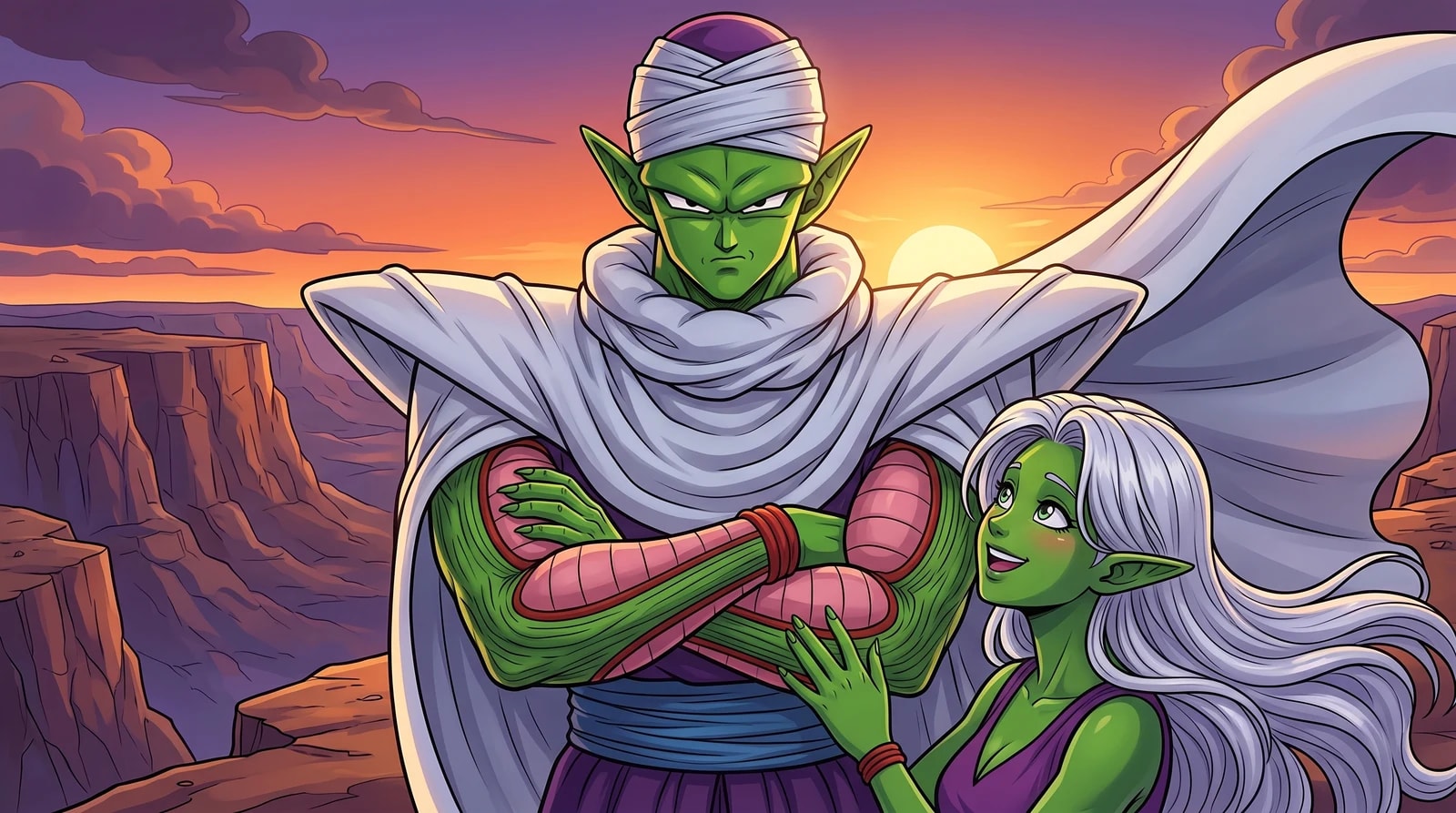
Piccolo Gets the Namek Hoes: Namek Has No Women, and He Pulls Anyway
There are no women on Namek. That isn't an oversight, it's the biology. Why we handed Piccolo the one thing his own species rules out, and why it had to be trap soul....

Frequently Asked Questions
What is Jupiter Oak Evolution?
Jupiter Oak Evolution is Sailor Jupiter's strongest solo attack, blending her plant and lightning powers by charging a column of oak leaves with electricity and firing leaf-shaped bolts at her target.
How does Sailor Jupiter perform Jupiter Oak Evolution?
Sailor Jupiter calls up the Leaves of Oak, which rise as a swirling column of foliage around her, then pours her lightning into them and hurls green, leaf-shaped bolts of electrical force at her enemy.
When did Sailor Jupiter first use Jupiter Oak Evolution?
Sailor Jupiter gains Jupiter Oak Evolution in Act 42 of the manga, when Guardian Jupiter hands her the technique along with the Leaves of Oak and Jupiter Crystal, and she first uses it as Super Sailor Jupiter to destroy Hawk's Eye.
Does Jupiter Oak Evolution appear in the 1990s anime?
Yes, the 1990s anime debuts Jupiter Oak Evolution against the monster JaraJara and keeps it in use through the final two seasons, staging it with Jupiter spinning before firing a blast drawn from her Thunder and Lightning Antenna.
Is there a stronger version of Jupiter Oak Evolution?
Yes, a bracelet-empowered variant called Jupiter Oak Galactica Evolution appears in the stage musical Le Mouvement Final.
Sources & Information
Looking for more on Jupiter Oak Evolution? The Dragon Ball Wiki on Fandom has a dedicated page with community notes.
View on FandomThis content is original writing by Daddy Jim Headquarters based on the Dragon Ball anime series, manga, and official materials. Episode and chapter references are cited where applicable.
Character and scene imagery on this site is original artwork by Daddy Jim Headquarters, not screenshots or licensed imagery. Official cover art is used on three types of pages for editorial commentary:
- Movie pages: theatrical posters and key visuals, credited to Toei Animation and Shueisha.
- Game pages: official box art, credited to Bandai Namco, Atari, and other publishers.
- Manga chapter pages: Jump Comics volume covers, credited to Shueisha and Akira Toriyama.
Official resources:
Help Us Keep This Wiki Accurate
Daddy Jim Headquarters maintains this encyclopedia. If you spot an error, a translation issue, or something that doesn't look right, let us know.